
Crossbow Bolts vs Arrows: Match Length, Nocks, and Weight Safely Today

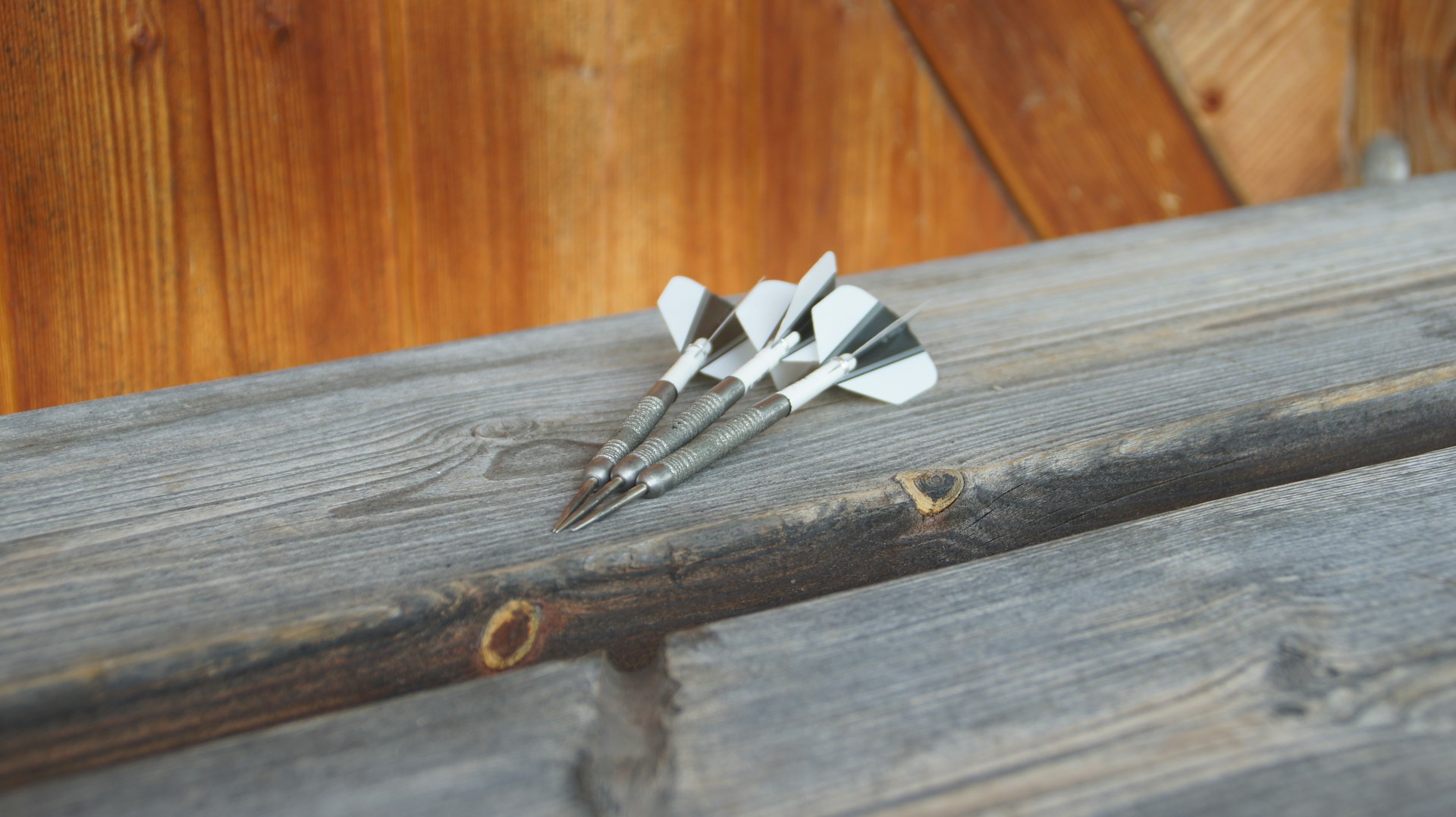
You just bought a crossbow, or you are about to, and the ammunition page is throwing two words at you for what looks like the same product. One pack says bolts. The next says arrows. Same 20-inch shaft, same carbon build, same half-moon nock.
The terms have blurred, but the specifications behind them have not. Length, nock style, spine, and total grain weight are what actually decide whether a projectile flies true or wrecks your string, your rail, and possibly your hand. That is the real conversation hiding under crossbow bolts vs arrows.
In this guide, you’ll discover what the naming debate means in practice, why a compound bow arrow does not belong in a crossbow, and how to read your manual’s numbers before you order. Get the fit right, and the rest of your setup starts behaving.
The Modern Naming Debate
Both words describe the same thing on most shelves today. Crossbow manufacturers largely say “arrows,” retailers and older shooters say “bolts,” and the products in those two boxes are frequently identical.
The shift was partly deliberate. Crossbow advocates pushed the word “arrow” during state season-access fights, since some regulations were written around arrows and archery equipment. Calling a 20-inch carbon shaft an arrow simplified the legal argument.
Why Both Terms Appear on Modern Packaging
Walk through any crossbow ammunition category, and you will see “hunting bolts,” “match-grade arrows,” and “replacement bolts” describing overlapping products. Marketing habits differ by brand, not by engineering.
What matters is that nobody labels the box with the spec you actually need. You still have to read the length, the finished grain weight, and the nock type printed on the side.
How Medieval Bolts and Quarrels Differed
Historical bolts were genuinely different animals. Medieval crossbow projectiles were short, thick, and heavy, often with iron or steel heads built for armor penetration at close range rather than long, arcing flight.
Many carried minimal fletching, sometimes thin leather or wood vanes, sometimes none. The quarrel took its name from its square, pyramidal head, designed to punch mail rather than slice tissue.
- Medieval bolt or quarrel: very short, heavy, iron head, minimal or no fletching, armor-focused
- Modern crossbow bolt or arrow: 16 to 22 inches, carbon or aluminum shaft, three plastic vanes, precision spine
- Vertical bow arrow: 26 to 32 inches, lighter, spined to a specific draw weight
Medieval crossbow technology is a fun origin story, but your rail cares about millimeters. That is where the fit details come in.
The Fit Details That Matter Most
Three measurements decide compatibility: shaft length, nock style, and the components on each end. Get any one wrong, and the crossbow will tell you, sometimes expensively.
Shaft Length, Bolt Length, and Arrow Length
Crossbow bolt length typically runs 16 to 22 inches, with 20 inches the most common standard. Your manual states a required length, and that number is not a suggestion.
Measure the shaft only, not including the point or the nock, unless your manual specifies otherwise. A bolt that is too short may not reach the string properly and can slip off the rail. Too long, and you add an unsupported shaft that flexes on launch.
Diameter matters too. Ravin’s system uses a smaller-diameter shaft that will not seat correctly in a standard rail, and standard shafts will not run in Ravin’s helicoil.
Nock Styles and String Engagement
The nock is where most dry-fire damage originates. Crossbow nocks come in flat, half-moon, and brand-proprietary designs, and you can’t swap them for preference.
A flat nock sits square against the string and self-centers. A moon nock has a concave groove that must be rotated so the arc aligns perpendicular to the string, or the string can slide off the side.
Omni-style nocks solve the alignment problem with multiple grooves. Excalibur crossbows generally want flat nocks; TenPoint’s Alpha-Nock and similar designs are specific to their rails.
Fletching, Vanes, and Point Components
Crossbow vanes are short, usually 2 to 3 inches, because they need clearance across the rail and through the flight groove. Longer target-arrow vanes can contact the rail and tear.
Field points thread into the same insert as broadheads, typically in 100 or 125 grain. Keeping practice point weight identical to your broadhead weight keeps your zero honest.
That raises the obvious question: if the shaft looks similar, why can’t a compound arrow do the job?
Why Vertical-Bow Arrows Do Not Substitute for Crossbow Ammunition
Because the launch is completely different. A compound bow or recurve bow releases an arrow into open air off a rest, while a crossbow drags the shaft along a rail under horizontal string pressure.
Rail Launch Versus Bowstring Release
On a vertical bow, the arrow flexes freely around the riser and the vanes clear the rest by design. On a crossbow, the shaft is pinned between rail and string for the entire power stroke.
That contact demands a shorter, stiffer shaft with low-profile vanes. A 29-inch traditional arrow simply will not sit in a 20-inch flight groove, and the nock will not engage the crossbow string correctly.
Spine, Draw Weight, and Crossbow Energy
Spine is resistance to bending, and vertical bow arrows are spined to a specific draw weight and draw length. Crossbow draw weights of 150 to 220 pounds with short power strokes load the shaft differently.
Crossbow shafts are built stiffer with tighter straightness tolerances, often .003 inches. Spine consistency across a matched set is what makes groups repeatable at 40 yards.
How Wrong Components Affect Safety and Accuracy
A mismatched nock is the classic dry-fire scenario. The string skips off, releases full stored energy into nothing, and can crack the rail, snap limbs, or throw shrapnel.
Under-spined shafts can buckle. Wrong-length shafts can launch off the rail sideways. None of that is worth saving eight dollars on a mismatched pack.
Assuming the fit is correct, weight is the next number worth arguing about.
Weight, Balance, and Flight Performance
Total finished weight, meaning shaft plus insert, point, vanes, and nock, drives everything downrange. Most crossbows want a minimum around 350 to 400 grains, and many hunters run 400 to 500.
Minimum Bolt Weight and Manufacturer Limits
Your manual lists a minimum total grain weight. Going under it is the same risk category as a dry fire, because the shaft cannot absorb the energy the limbs deliver.
A 350 FPS rating comes from a specific test weight. Load a 500-grain arrow and speed drops toward 315 FPS while retained energy climbs.
FOC, Kinetic Energy, and Penetration
FOC, front of center, describes how much of the total weight sits forward of the balance point. Higher FOC steadies the shaft in flight and helps broadheads drive straight.
Short 2-inch vanes trim rear weight and nudge FOC upward. Most hunting guides and archery organizations set a minimum kinetic energy of around 40 foot-pounds for deer-sized game, climbing to roughly 60 for elk or bear.
Speed, Trajectory, and Wind Drift
Light aluminum shafts and low-grain builds flatten trajectory, which forgives small range-estimation errors. They also shed energy faster and drift more in a crosswind.
Heavier carbon builds hold energy and punch through bone better. Pick based on your realistic shot distance and the game you actually hunt.
Choosing Projectiles for Targets or Hunting
Practice shafts and hunting shafts should be the same shaft with a different tip. Change only the point, keep the weight identical, and your point of impact stays honest.
Field Points for Practice and Crossbow Targets
Field points in 100 grain are the default. Use a crossbow-rated target, because standard bag targets get shredded and cheap foam can bury a shaft past the vanes.
Pull straight with a lube or puller. Twisting a hot shaft out of dense foam is how inserts loosen.
Broadheads for Legal Hunting Setups
Fixed-blade broadheads fly closer to field-point trajectory. Mechanical broadheads open on impact for wider wound channels but drift differently in wind and demand more energy.
Check your state’s regulations on minimum cutting diameter and blade count before you buy. Broadhead rules vary and change.
Matching Brand-Specific Crossbow Requirements
TenPoint, Barnett, Excalibur, and Ravin each publish approved shafts for their models. Ravin’s small-diameter arrows and TenPoint’s nock systems are the clearest examples of non-interchangeable ammunition.
Buy the approved shaft first, then experiment. Warranty coverage often depends on it.
Buy by the Manual, Then Confirm the Setup
Pull the manual before you pull out a card. Every number you need is printed in it, usually on one page.
A Pre-Purchase Compatibility Checklist
- Shaft length: exact inches, measured as the manual specifies
- Shaft diameter: standard versus proprietary small-diameter
- Nock type: flat, half-moon, omni, or brand-specific
- Minimum total grain weight: including point and insert
- Point weight: matched between field points and broadheads
- Vane length: short enough for rail clearance
Inspecting Bolts Before Every Session
Flex each shaft and listen for cracks. Spin it on a hard surface and watch for wobble at the point.
Check nocks for chips, confirm inserts are seated, and pull on the vanes. Retire anything questionable rather than shooting it once more.
Where to Get Hands-On Help With Crossbow Accessories
Handling components beats guessing from photos. Comparing nock profiles side by side takes about ten seconds in person and saves a lot of frustration later.
Sharp Things OKC’s crossbow bolts and crossbow accessories selections cover most of the fit questions above if you want to compare a few in person. Bring your manual, or a photo of the spec page, when you go shopping.
Frequently Asked Questions
What Is the Difference Between a Crossbow Bolt and a Regular Arrow?
Modern crossbow bolts and crossbow arrows are the same thing under two names. A regular archery arrow is different: 26 to 32 inches long, lighter, spined to a bow’s draw weight, and fitted with a nock and vanes meant for open-air release.
Can a Crossbow Safely Shoot Standard Archery Arrows?
No. A vertical bow arrow is too long for the flight groove, and its nock will not engage a crossbow string correctly, which invites a dry fire. Use only shafts your crossbow manufacturer approves.
What Bolt Length and Diameter Does My Crossbow Require?
Your manual states it; usually 20 inches for standard rails, with 16 to 22 inches across the category. Diameter matters as much as length, since systems like Ravin’s require proprietary small-diameter shafts.
Do Crossbow Bolts Need Fletching, and Which Vane Style Works Best?
Yes, modern crossbow arrows need vanes to stabilize. Three short vanes, 2 to 3 inches long, are standard because they clear the rail and reduce rear weight, improving FOC and accuracy.
What Types of Crossbow Bolt Tips Are Available for Target Shooting and Hunting?
Field points, usually 100 or 125 grain, handle practice into crossbow-rated targets. For hunting, choose fixed-blade or mechanical broadheads that match your practice point weight and comply with your state’s regulations.
Are Heavier Crossbow Bolts More Accurate and Safer to Shoot?
Heavier shafts retain energy, resist wind drift, and stay above the manufacturer’s minimum grain weight, which protects your crossbow. They also fly slower with more arc, so accuracy depends on knowing your trajectory.
Get the Fit Right, Then Go Shoot
The naming argument settles itself once you look at specifications instead of labels. Length, nock style, spine, and total grain weight are what protect your crossbow and your shot, and every one of them is printed in your manual.
Match those four numbers, keep field point weight identical to your broadhead weight, and inspect shafts before every session. That routine costs a minute and prevents the kind of failure that ends a hunt or a limb.
If you want to compare nock profiles and point weights in your hands before committing, Sharp Things OKC is on N May Ave in Oklahoma City, and the staff actually knows this stuff.