
How to Choose a Kitchen Knife for Your Cooking Style, Prep, and Budget

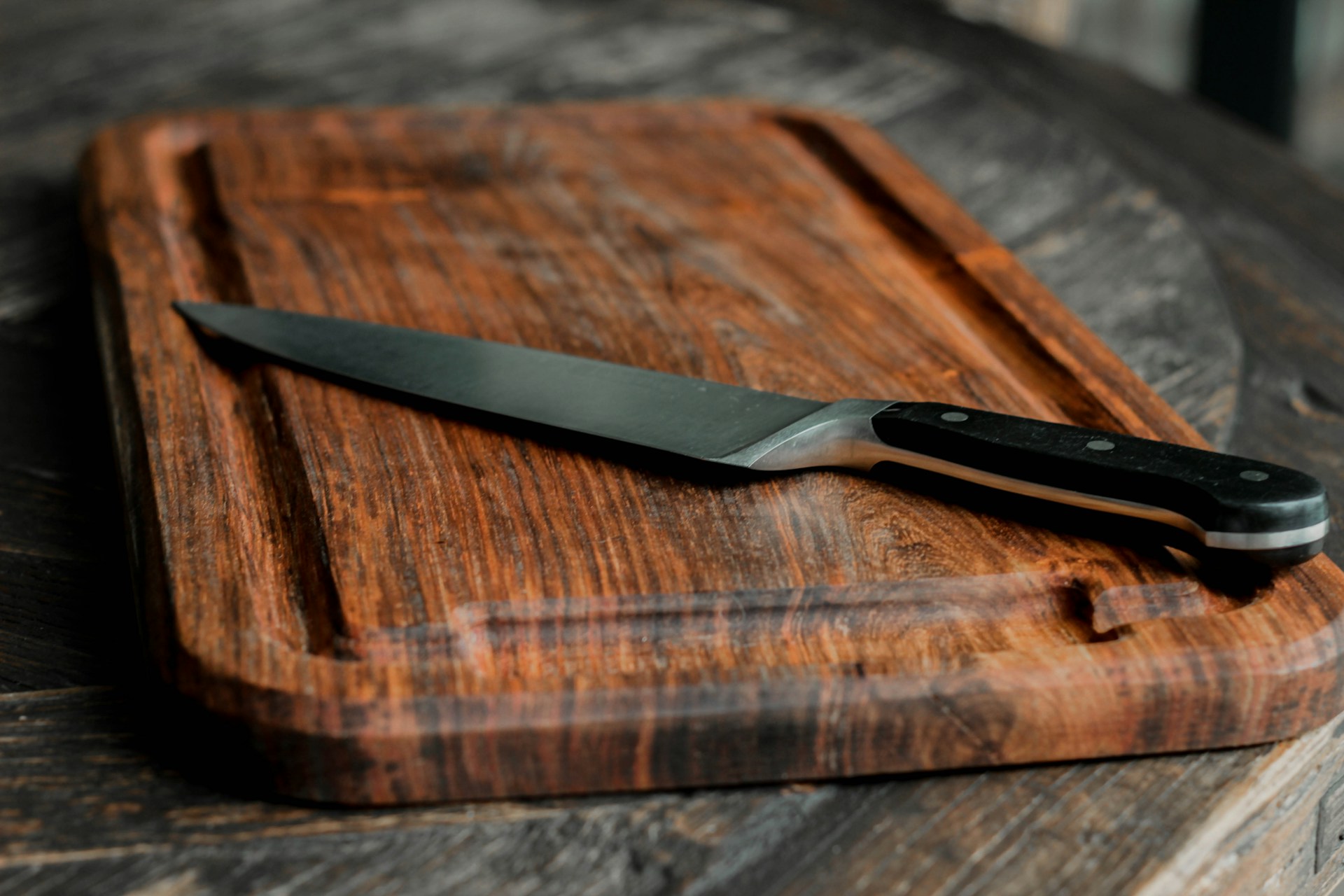
You are standing in front of a wall of blades, or a browser tab full of them, and every listing promises the same thing. One says Damascus, one says VG-10, one says forged German steel, and none of them tell you which handles your Tuesday night dinner prep better. That gap between marketing copy and real cutting is where most first knife purchases go sideways.
Figuring out how to choose a kitchen knife gets much simpler once you stop shopping by category and start shopping by task. Match the blade shape to how you cut, the steel to the care you will actually do, and the handle to your grip, and the rest of the decision falls into place. Everything else is preference.
Keep reading to learn which blades earn a spot on your counter, how a chef’s knife and a santoku actually differ in the hand, and what to check before you commit. A good knife should disappear into the work, not remind you it exists every time you dice an onion.
Build a Core Knife Setup Before Buying Specialty Blades
Three knives handle roughly 90 percent of home prep. A chef’s knife or all-purpose knife, a paring or petty knife, and a serrated bread knife. Everything past that is a convenience purchase, not a necessity.
Knife blocks sell the fantasy of completeness. In practice, most blocks include four or five slots that stay full because those blades never fit a real task. Buy individually, and put the money into the knives you reach for daily.
The Everyday Workhorse: Chef’s Knife or All-Purpose Knife
An 8-inch chef’s knife is the default for a reason. It’s long enough to slice a butternut squash and has enough control to mince garlic without feeling clumsy. If your board is small or your hands are, a 6-inch version handles the same jobs with less real estate.
The all-purpose kitchen knife sits in similar territory with a slightly narrower blade. It works, but you lose the knuckle clearance that makes long chopping sessions comfortable. When you hold both, notice how far your fingers sit above the cutting board.
Small Precision Tasks Call for a Paring or Petty Knife
A 3- to 4-inch paring knife handles anything you do in your hand rather than on a board. Hulling strawberries, deveining shrimp, trimming fat off a chicken thigh.
A petty knife is the Japanese cousin, usually 4 to 6 inches, and it splits the difference between paring and chef. If you do a lot of shallot work and fine mincing, the petty is the more useful of the two.
When a Serrated Bread Knife and Utility Knife Earn Their Space
A serrated edge does what no straight blade can: it saws through a hard crust without crushing the soft interior. It also handles ripe tomatoes and citrus with skin that resists a push cut.
Serrated knives are hard to sharpen at home, so many cooks treat them as replaceable. A utility knife, roughly 5 to 6 inches, fills gaps like sandwich prep, but it is the first blade to become redundant if your chef’s knife fits you well.
Add Boning, Fillet, Carving, or Cleaver Blades Only for Regular Tasks
Buy these when a task shows up on your board more than once a month:
- Boning knife: stiff and narrow for breaking down chicken and separating joints
- Fillet knife: flexible enough to ride the rib bones of a fish
- Carving knife: long, thin, and made for clean slices off a roast or turkey
- Cleaver: heavy for splitting poultry bones, or the thin Chinese variety for high-volume vegetable work
- Kitchen shears: genuinely earn their spot for spatchcocking and herb work
Once your lineup is set, the next question is blade shape, and that is where the chef’s knife and santoku debate starts.
Chef’s Knife vs. Santoku: Match the Profile to Your Cutting Style
The real difference is the edge curve and the motion it invites. A Western chef’s knife has a belly that rolls; a santoku is nearly flat and wants to come straight down.
Both work well; they’re just built for different hands and habits, and forcing one to behave like the other feels awkward every time.
Choose a Curved Western Profile for Rocking Cuts
German knives from makers like Wüsthof carry a pronounced curve from heel to tip. That curve lets you anchor the tip on the board and rock through a pile of parsley in seconds.
Western knives also run thicker and heavier, usually with a full bolster and a double-bevel grind around 20 degrees per side. That weight does part of the work for you on dense vegetables.
Choose a Flatter Santoku or Nakiri for Push Cuts
A santoku’s flat profile and sheepsfoot tip favor push cuts and straight up-and-down chopping. It is lighter, thinner behind the edge, and often ground closer to 15 degrees per side.
A nakiri takes the same idea further with a fully rectangular blade built purely for vegetables. Both frequently feature granton dimples along the blade to keep potato and cucumber slices from sticking.
Consider a Gyuto for a Japanese Take on the Kitchen Workhorse
A gyuto is the Japanese chef’s knife: similar length to a Western 8-inch, but thinner, lighter, and with a gentler curve. Shun’s lineup is a common entry point here, often with VG-MAX cores and Damascus cladding.
If you like the versatility of a chef’s knife but want less weight and a keener edge, the gyuto is the answer. It rocks less freely than a German blade but slices with noticeably less resistance.
Use Single-Bevel Japanese Blades Only When Their Job Fits Your Skills
Yanagiba, usuba, and deba are ground on one side only. That geometry produces extraordinary cuts, but it also steers the blade sideways if your technique isn’t there.
They are also handed. A right-handed yanagiba will fight a left-handed cook. Unless you are slicing sashimi or breaking down whole fish regularly, a double bevel serves you better.
Blade shape sets the motion. Steel decides how long that edge lasts and what you owe it in return.
Choose Steel for the Care You Will Actually Do
Pick steel based on your habits, not your aspirations. The best alloy in the world is worthless if the knife sits in the sink overnight.
Hardness, measured on the Rockwell C scale, drives most of the trade-off. Harder steel holds an edge longer and chips more easily; softer steel dulls faster but forgives abuse.
Stainless Steel Offers Easy Everyday Corrosion Resistance
Standard kitchen stainless runs around 55 to 58 HRC with high chromium content for corrosion resistance. It will not stain if you leave it damp for twenty minutes.
The trade-off is edge retention. You will hone more often and sharpen every couple of months. For a busy household kitchen, that is a fair deal.
Carbon Steel Rewards Careful Owners With Fine Sharpening Feedback
Carbon steels like 1095 or White #2 take a scary edge and give clear feedback on a stone. You feel the burr form instead of guessing.
They also rust. Cut an onion, wipe the blade, and dry it before you walk away. Over time, carbon develops a gray patina that protects it, but the daily discipline is non-negotiable.
High-Carbon Stainless Balances Edge Retention and Practical Care
High-carbon stainless is the sweet spot for most home cooks. Enough carbon for a hard, durable edge and enough chromium to survive real-world handling.
This is where most reputable mid-range kitchen knives live, and it is the safest recommendation for a first serious purchase.
VG-10, SG2, and Powdered Steel Make Sense When Performance Matters
VG-10 sits around 60 to 61 HRC and holds an edge noticeably longer than standard stainless. SG2, a powdered steel, pushes past 63 HRC with a very fine grain structure.
Powdered steels sharpen slower and need a finer edge angle to shine. If you already own a whetstone and enjoy using it, they pay off. If you do not, VG-10 gives you most of the benefit with less fuss.
Steel tells you how the edge behaves. Construction tells you how the whole knife feels in use.
Evaluate Construction, Balance, and Handle Comfort in Hand
Two knives with identical steel can feel completely different. Weight distribution, handle shape, and blade height change the experience more than the spec sheet suggests.
This is where holding the knife before you buy it really pays off.
Forged and Stamped Blades Can Both Be Good Choices
Forged blades are hammered from a billet, typically thicker with a bolster where the blade meets the handle. They feel substantial and often cost more.
Stamped blades are cut from sheet steel, then ground and heat-treated. Lighter, cheaper, and perfectly capable. Heat treatment matters far more than the forging story.
Understand the Tang, Bolster, and Rivets Before Paying More
Full tang means the steel runs the length of the handle, usually visible as a spine line with rivets through it. A partial tang stops short and can loosen over years of heavy use.
A full bolster adds balance but blocks access to the heel when you sharpen. Half bolsters solve that. Both are fine choices as long as you know what you’re getting.
Test Knife Handles With the Grip You Will Use at Home
Use a pinch grip: thumb and forefinger on the blade just ahead of the handle. That is how the knife is meant to be controlled, and it changes which handles feel right.
Pakkawood is warm and grippy. Micarta handles take up moisture and develop character. A Japanese wa handle is light and octagonal, shifting balance forward toward the blade.
Check Weight, Board Clearance, and Balance Before Committing
Hold the knife at the pinch point. If it tips hard toward the blade or handle, you will feel that after ten minutes of prep.
Then mimic a chopping motion. Your knuckles should clear the board with room to spare. If they do not, you need more blade height, not a different steel.
Once the knife fits, the job becomes keeping that edge alive.
Protect Your Edge With the Right Board, Storage, and Maintenance
Most dull knives are misaligned, chipped from a hard surface, or banged up in a drawer rather than actually worn out. Good habits cost nothing and add years of performance.
Use a Honing Rod for Edge Alignment and Sharpening for Edge Renewal
Honing straightens a rolled edge. Sharpening removes metal to create a new one. They are not the same job.
Run a honing rod a few strokes per side before prep sessions, and you will stretch the interval between sharpenings considerably. When honing stops restoring bite, it is time for a stone or a professional service.
Avoid the Dishwasher, Sink Storage, and Hard Cutting Surfaces
The dishwasher is the fastest way to ruin a good knife. Heat, detergent, and blades knocking against racks damage both the edge and the handle.
Glass, stone, and ceramic boards destroy edges on contact. End-grain wood is easiest on steel; a good plastic cutting board is a practical everyday alternative and goes in the dishwasher.
Store Blades Safely in a Block, on a Magnetic Strip, or With Guards
A knife block keeps edges off other metal, though slots trap moisture if you shelve a damp blade. Magnetic strips keep everything visible and dry; set the spine down first, then roll the blade flat.
Blade guards work well for drawer storage and travel. What they all prevent is the loose-drawer habit that chips tips and takes the sharpness out of an edge you paid for.
With care sorted, the last question is what to buy and where.
Make a Confident Final Choice for Your Kitchen
Decide which knife you will use most, and spend your budget there. One excellent chef’s knife beats a block of mediocre ones every time.
Set a Sensible Budget for a First Knife or a Focused Upgrade
Mid-range knives deliver the best value for home cooks. Victorinox stamped blades punch far above their price, and Wüsthof anchors the forged German category at a step up in price and heft.
Spending more buys better steel, finer grinds, and refined fit and finish. It does not buy skill, and it will not rescue bad technique.
Bring a Short Task List When You Compare Knives in Person
Write down what you actually cook this month. Squash, whole chickens, a lot of herbs, weekly bread. That list narrows the wall of options fast.
Then hold three candidates in a pinch grip and mimic your most common cut. The right one usually announces itself within thirty seconds.
Know What to Confirm When Ordering a Kitchen Knife Online
Verify these before you check out:
- Blade length measured from heel to tip, not overall length
- Steel type and hardness, listed specifically rather than as “high-carbon stainless”
- Handle material and whether the tang is full or partial
- Edge angle, since a 15-degree Japanese grind needs different sharpening gear
- Return policy and warranty, especially on higher-priced blades
A specialty shop lists those details because the staff knows customers ask. Get that information up front, and the rest is just picking the one that fits your hand.
Frequently Asked Questions
What Type of Kitchen Knife Is Best for Everyday Cooking?
An 8-inch chef’s knife handles the widest range of daily tasks, from dicing onions to slicing roasted chicken. If your prep skews toward vegetables and straight downward cuts, a santoku may be a better fit. Both should be your first purchase before any specialty blade.
Should I Buy a Chef’s Knife or a Santoku Knife?
Choose a chef’s knife if you rock the blade through herbs and use the tip frequently. Choose a santoku if you prefer lighter weight, push cuts, and a flatter edge on the board. Hold both if you can, because the difference is obvious in hand.
Is a 6-Inch or 8-Inch Chef’s Knife Better for My Kitchen?
Eight inches is the standard because it clears large produce and roasts without extra passes. A 6-inch version suits smaller hands, smaller boards, and cooks who find longer blades unwieldy. Neither limits you much on typical home prep.
What Blade Material and Steel Should I Look for in a Quality Kitchen Knife?
High-carbon stainless is the practical default, balancing edge retention with corrosion resistance. VG-10 around 60 HRC is a strong step up if you sharpen regularly. Reach for powdered steels like SG2 only when whetstone work is already part of your routine.
How Can I Tell Whether a Kitchen Knife Is Well Made Before I Buy It?
Look for even grind lines, a smooth spine with no sharp corners, and a handle that meets the tang without gaps. Balance the knife in a pinch grip; it shouldn’t tip hard in either direction. Clear steel and hardness specs in the listing are a good sign too.
What Are the Three Essential Kitchen Knives Every Home Cook Should Own?
A chef’s knife or santoku, a paring knife, and a serrated bread knife. That trio covers nearly every task a home kitchen throws at you. Add boning or carving blades only after a specific job keeps showing up.
Putting Your Choice Into Practice
Once you know your blade shape, your steel, and your grip, the buying decision stops feeling like a gamble. You’re checking whether a specific knife actually matches how you cook, instead of parsing marketing claims.
The last step is the one that settles it: get the knife in your hand. Feel the balance at the pinch grip, check your knuckle clearance, and see whether the handle disappears or fights you.
Sharp Things OKC on N May Ave keeps a broad kitchen selection on the shelf so you can compare profiles side by side before you commit.