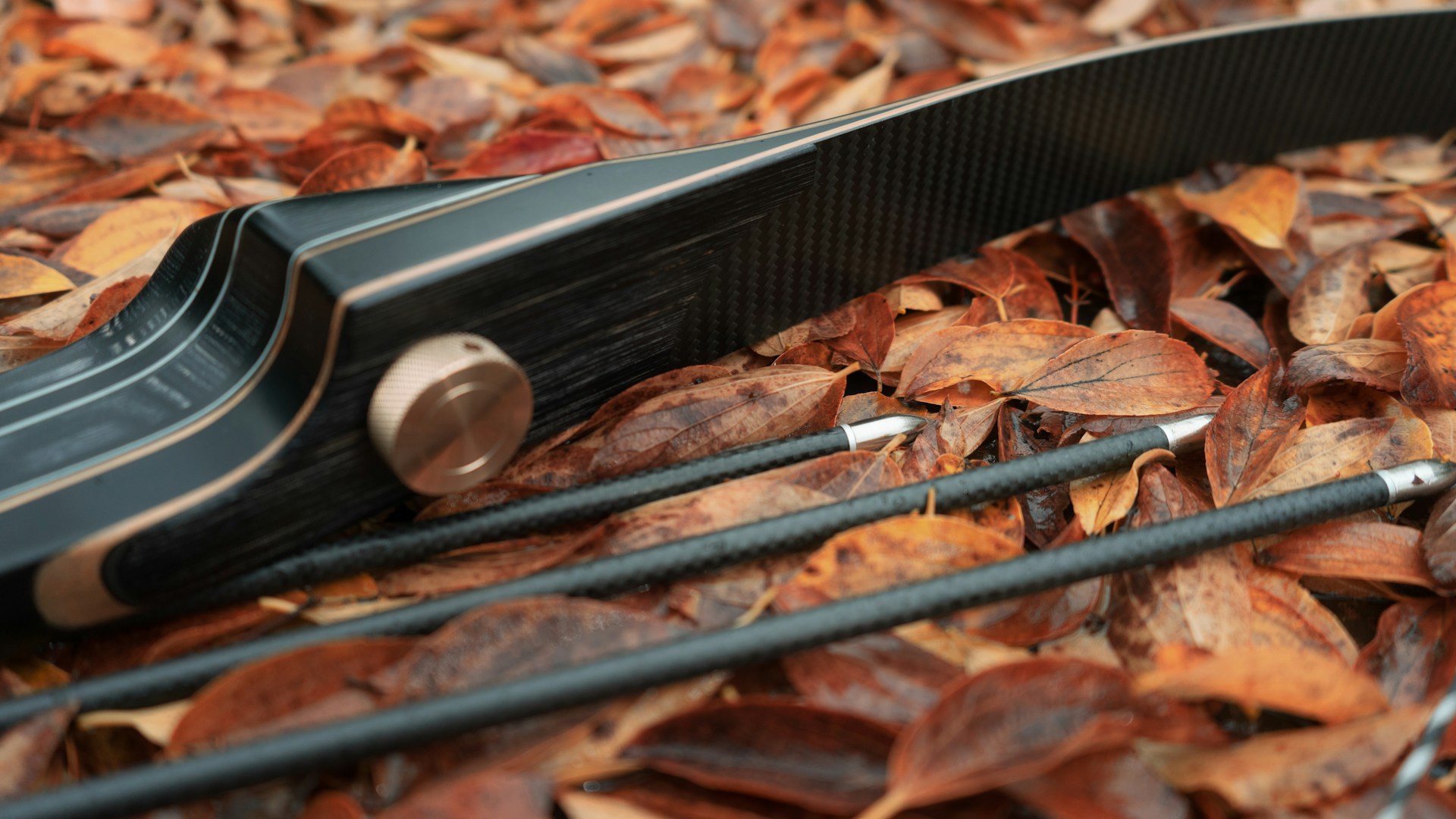
Crossbow Hunting for Beginners: Setting Up for Your First Season

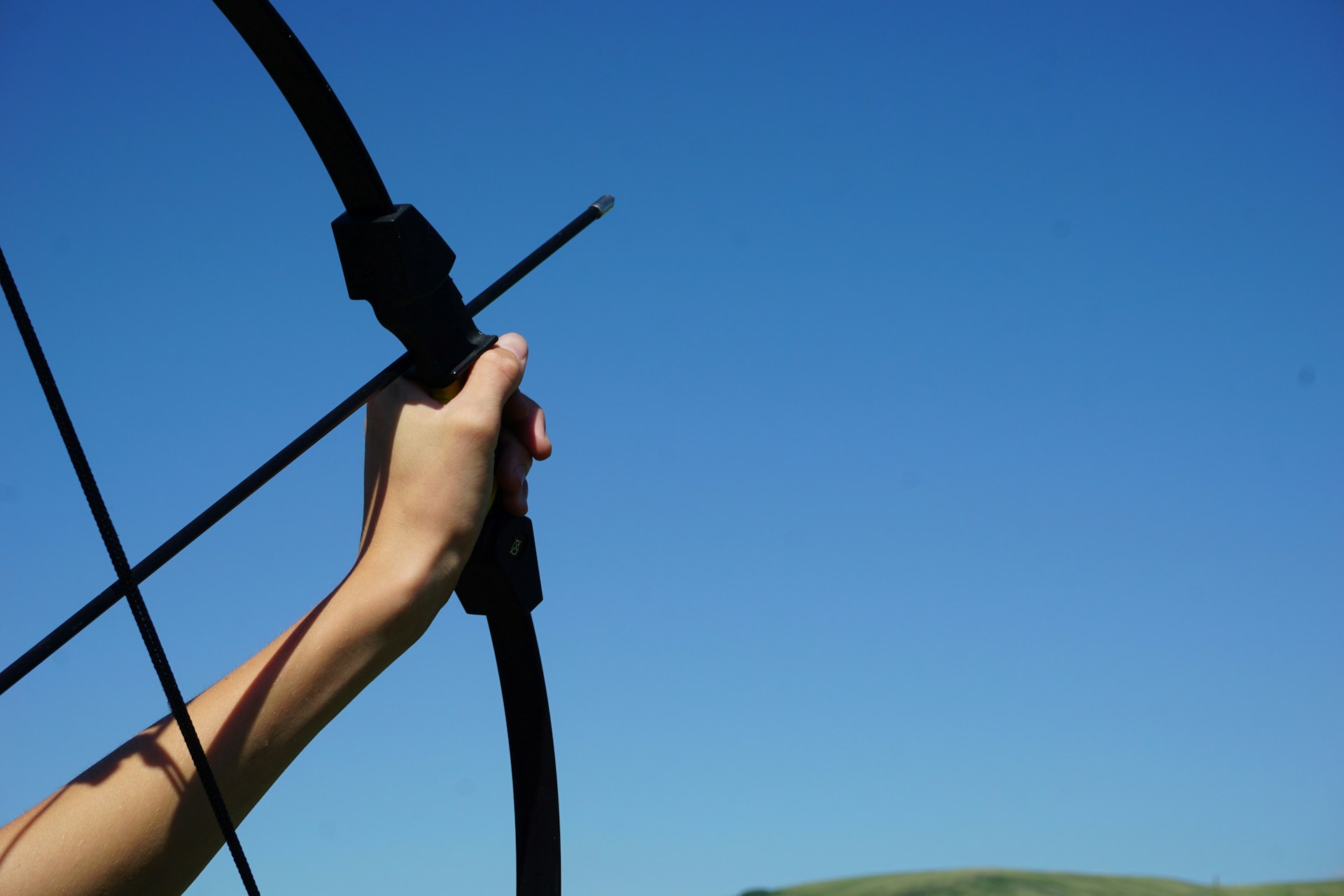
You bought a crossbow. Now you need to turn it into a reliable hunting setup before opening day, and the to-do list can feel long.
This guide to crossbow hunting for beginners walks through each step in the order you will actually do it: assembly, safe cocking, bolts and broadheads, sighting in, practice, season prep, shot placement, and in-season care.
Step 1: Unbox and Set Up Your Crossbow
Start with the owner’s manual that came in the box. Assembly steps, bolt torque, and mounting points vary by brand and model, so your printed manual beats any general video.
Assemble It and Check the String and Cables
Most crossbow packages need a few parts attached before the first shot, such as the stirrup, the sight, and the quiver bracket. Tighten screws until they are snug, and stop there. Overtightening can strip threads.
Once it is together, look over the string and cables for fraying, splitting, or fuzzy spots. Excalibur’s manual says to replace a string as soon as it shows any sign of wear. Also make sure the sight is locked down on the rail. A loose mount will throw off every shot, no matter how carefully you sight in later.
Apply Rail Lube and String Wax the Way Your Manual Says
Rail lube and string wax do different jobs. Lube cuts friction where the string slides along the rail. Wax conditions the string fibers so they resist moisture and wear.
How much and where depends on the maker. Excalibur, for example, tells owners of its recurve crossbows to apply wax sparingly to the center serving about every 30 to 40 shots and to keep wax off the rail. Follow your own manual, since another brand may call for a different product or schedule.
Step 2: Cock It Safely With a Rope Cocker or Crank
A crossbow stores a lot of energy, so cocking is where rushed beginners get hurt.
Put your foot all the way into the stirrup and route the cocking aid exactly as the manual shows. Excalibur’s owner’s manual says never to take your foot out of the stirrup until the safety is set to “safe,” and warns that a loose grip on the cocking aid handle can let it pull from your hand.
A rope cocker is simple and light. A crank cocking device takes much less muscle to draw the string, which helps hunters with limited upper-body strength. With either one, keep fingers and thumbs below the rail and out of the string’s path.
Step 3: Choose Bolts and Broadheads That Fit Your Crossbow and Your State
Match Bolt Length, Weight, and Nocks
Your crossbow maker sets the bolt specs, and they matter for safety. Excalibur’s manual says not to shoot any arrow lighter than 350 grains total (arrow plus tip), because it may damage the crossbow. Other brands list their own minimums, so check yours.
Bolt weight also shapes how the bolt flies. Heavier bolts fly slower but carry more energy downrange, while lighter bolts fly faster with less energy. For more on length, nocks, and weight, see this guide to crossbow bolts vs arrows.
Your state may set its own minimums too. In Oklahoma, bolts must be at least 14 inches long for big game archery seasons, so a short bolt that fits your crossbow may still be illegal for deer.
Pick Broadheads and Check the Width Rule
Fixed-blade broadheads have no moving parts. Mechanical (expandable) broadheads fold in flight and open on impact. Both can fly differently from field points, so you will test them in Step 5.
Confirm the broadhead is rated for your crossbow’s speed, and check your state’s width rule. Oklahoma requires hunting points to be at least 7/8 inch wide, and a mechanical broadhead counts only if it meets that width when fully open.
Step 4: Sight In Your Crossbow
Sight in with field points first. Excalibur’s manual has you shoot at 20 yards, note where the group lands compared with the crosshair, and adjust from there.
Once 20 yards is on, move back in steps to the farthest distance you plan to shoot, checking your aiming points at each one. Then return to 20 yards to confirm nothing shifted.
Step 5: Build a Practice Routine That Matches Your Hunt
Practice at Real Hunting Distances
Shoot at known distances, starting close and adding yards only when your groups stay tight. Many new crossbow hunters keep shots inside 20 to 30 yards in their first season and stretch that only after repeated, confirmed accuracy.
Practice From a Seat or an Elevated Stand
A bench rest feels nothing like a tree stand or a ground blind. Practice from the same seated or elevated position you will hunt from, wearing the clothes you will hunt in.
If you hunt from a stand, wear a fall-arrest harness every time you climb. Excalibur’s manual says to cock the crossbow on the ground, raise it into the stand with a pull rope, and never pull up a crossbow that is cocked with a bolt loaded. Load it only after you are secured in the stand.
Shoot Your Hunting Broadheads Before the Season
Broadheads can hit somewhere different from field points because of their shape. Before the season, shoot the exact broadheads you will hunt with at your hunting distances and adjust if needed. Keep a dedicated practice broadhead or two, since hunting heads dull with use.
Step 6: Handle Pre-Season Prep
Check Licenses, Season Dates and Crossbow Rules
Crossbow rules and season dates vary by state, so read your state wildlife agency’s current regulations every year. Oklahoma is a good example of how specific they get. The Oklahoma Department of Wildlife Conservation’s big game regulations list crossbows as legal archery equipment with these requirements:
- A minimum draw weight of 100 pounds, with safety devices
- Bolts at least 14 inches long
- Hunting points at least 7/8 inch wide, including mechanical broadheads when fully open
- Hunter orange (a head covering or an outer garment above the waist) when you hunt deer with archery gear during an open firearms season
The same agency lists the 2026-27 Oklahoma deer archery season as October 1, 2026, through January 15, 2027. A resident adult needs a hunting license and a deer archery license unless exempt. Oklahoma also requires hunter education certification unless you are exempt (for example, if you are 31 or older), and hunters 30 or younger without certification must hunt as apprentices. ODWC also says a crossbow may not ride in a motorized vehicle unless it is uncocked or disassembled.
Rules change, so confirm everything with your state wildlife agency before you hunt.
Scout Deer Travel Without Pressuring Them
Deer tend to move between bedding cover and food on a routine. Trail cameras along travel corridors show timing and routes without you having to walk through the area every day. Ease off in the final days before opening, since too much scent and noise can push deer to change patterns.
Set Up a Stand or Blind With Wind and Noise in Mind
Wind carries your scent, so place your stand or blind downwind of where you expect deer to come from. Set it up well before the season so local deer get used to it.
Keep noise down as carefully as scent. Pad ladder steps, stop metal from clanking against metal, and plan an entry and exit path that avoids bedding areas.
Step 7: Know When to Take the Shot
Take a shot only when the deer is broadside or quartering away, the path to the vitals is clear, the animal is calm, and the distance is one you have confirmed with broadheads. If any of those is missing, wait for a better chance.
Your ethical range is the distance where you can place broadheads consistently in practice. Use that as your limit, even when the crossbow can reach farther.
After the shot, give the deer time before you track it, the same as with any bow hunt. If the trail leads onto land you do not have permission to hunt, know your state’s rules for recovery on private property before the season starts.
Step 8: Maintain the Crossbow During the Season
Look over the string, cables, and rail before each hunt, and again after rain or cold. Catching fraying early keeps a small fix from turning into a safety problem.
Never dry fire a crossbow (release the string without a bolt loaded). Excalibur’s manual says dry firing will damage the crossbow and void the warranty.
Frequently Asked Questions
How hard is it to learn to hunt with a crossbow?
Most beginners pick up the shooting part quickly, because a crossbow is cocked ahead of time and aimed from the shoulder like a rifle. The harder skills are safe cocking, matching bolts and broadheads to your crossbow and your state’s rules, and learning your true effective range. Plan several practice sessions before the season, including some with your hunting broadheads.
How far should a beginner shoot a deer with a crossbow?
Shoot only as far as you can group broadheads consistently in practice. Many first-season crossbow hunters keep shots inside 20 to 30 yards and add distance only after repeated, confirmed accuracy at each step. Let your practiced accuracy, the deer’s position and a clear path to the vitals decide every shot.
Can you hunt deer with a crossbow from a ground blind?
Yes. Ground blinds work well for crossbow hunters because you can sit comfortably and shoot from a rest. Check that the blind is wide enough for the crossbow’s limbs and that the window lets the limbs clear the opening when you shoot. Practice from a chair at the same height you will use in the blind.
Do you need a special license to hunt with a crossbow?
It depends on your state. Some states sell separate crossbow permits, while others treat a crossbow as archery equipment. In Oklahoma, crossbows are legal archery equipment, and resident adults need a hunting license plus a deer archery license unless exempt. Check your state wildlife agency’s current regulations before the season opens, since requirements change.
Should you practice with broadheads or field points?
Use both. Sight in with field points first, because they are cheaper and easier to pull from a target. Then shoot the exact broadheads you will hunt with at your hunting distances, since their shape can make them hit in a different spot. Adjust your sight if they do, and keep a separate practice head so your hunting heads stay sharp.
Get Your Crossbow Season-Ready
Sharp Things OKC carries crossbows, bolts, and accessories, and you can stop by the store on N May Ave to see them in person before you buy. Bring your crossbow’s specs and your state’s rules so you can match bolt length and broadheads correctly.
Shop crossbows and accessories; orders placed before 3 pm usually ship the same day.