OTF Knife vs Side-Opening Automatic: Which Is Right for You?

You’ve decided you want an automatic knife. Now you’re choosing between an OTF, where the blade fires straight out the front, and a side-opening automatic, where a spring swings the blade out on a pivot like a folder.
This OTF knife vs. side-opening automatic guide compares how each one deploys, closes, locks, carries, cleans up, and prices out, using real Microtech and Benchmade models, so you can pick the mechanism that fits your hand.
What Separates These Two Automatic Designs?
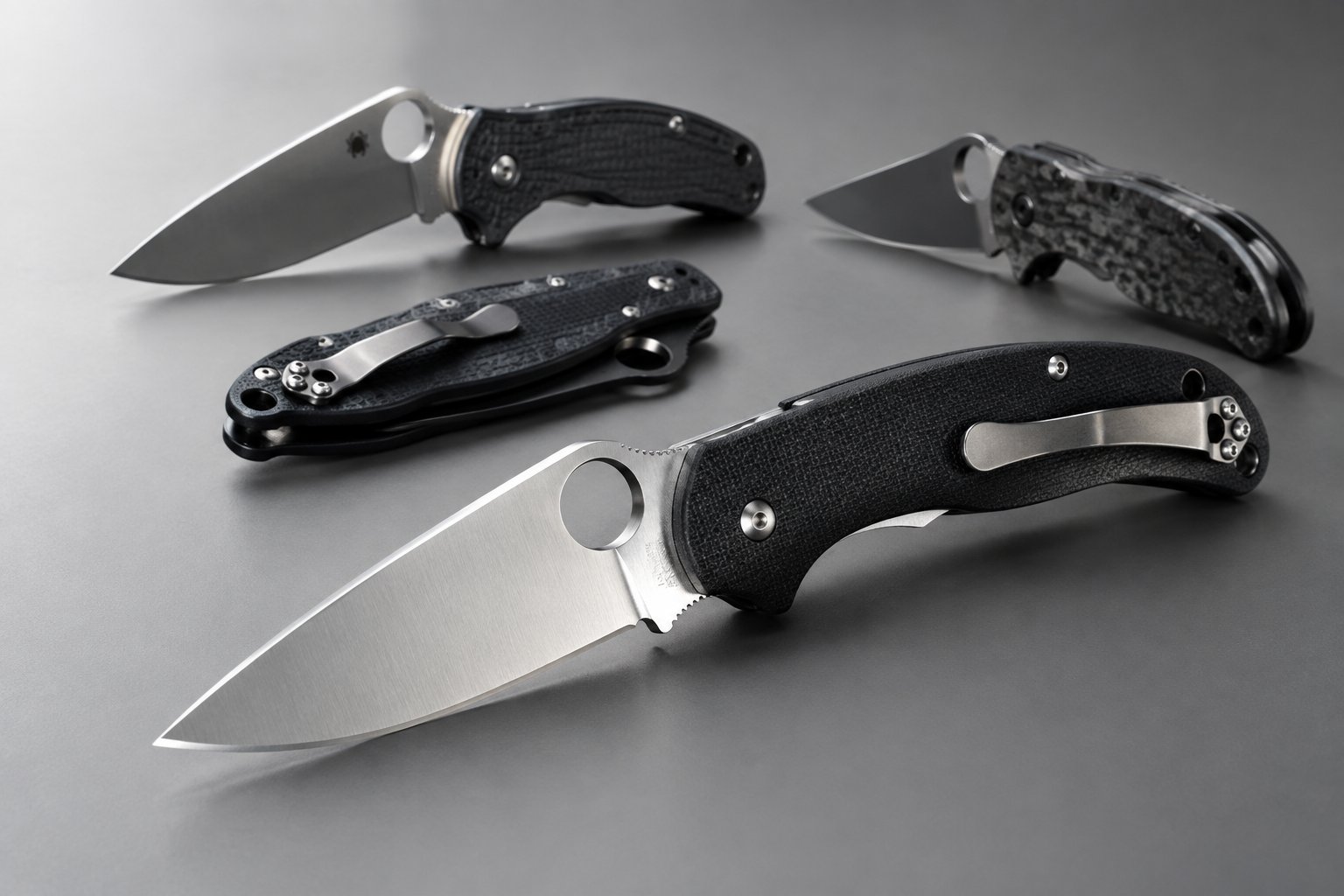
The core difference is motion. An OTF pushes the blade straight out along a track inside the handle. A side-opening automatic rotates the blade around a pivot, the same path a manual folder takes, but a spring does the work.
Both are automatic knives, and both use a spring released by a button, switch, or bar. For the full breakdown of OTF mechanics, see the pillar guide to out-the-front knives.
Is an OTF Knife a Switchblade?
Under federal law, yes. The federal switchblade statute defines a switchblade as “any knife having a blade which opens automatically” by pressing a button or other device in the handle, or by inertia or gravity. That covers both OTF knives and side-opening automatics.
“Switchblade” is a legal and historical label that describes how the knife opens, regardless of the blade’s travel direction. If you want more on the terminology, switchblade vs OTF explains it in detail.
Where Do Assisted-Opening Knives Fit?
Assisted-opening knives are not automatics. Benchmade describes the sequence plainly: on a spring-assist flipper, “once the user applies pressure past the detent, the spring rapidly finishes the opening action,” according to its knife opening actions guide.
That difference matters legally. Federal law exempts knives with a spring, detent, or other mechanism designed to resist opening and requiring hand, wrist, or arm force to overcome. Many states also treat assisted openers differently from true automatics.
Quick Comparison of the Two Designs
- Deployment path: OTF automatic: Straight out the front on a track. Side-opening automatic: Swings out on a pivot.
- Blade when closed: OTF automatic: Fully inside the handle. Side-opening automatic: Folded into one side of the handle.
- Closing: OTF automatic: Double action: same switch retracts it. Single action: push blade back by hand. Side-opening automatic: Release the lock, then fold the blade closed by hand.
- Lock: OTF automatic: Internal to the firing mechanism. Side-opening automatic: Separate lock, such as a button lock or Auto AXIS.
- Main upkeep: OTF automatic: Keep lint and grit out of the track. Side-opening automatic: Oil and clean the pivot.
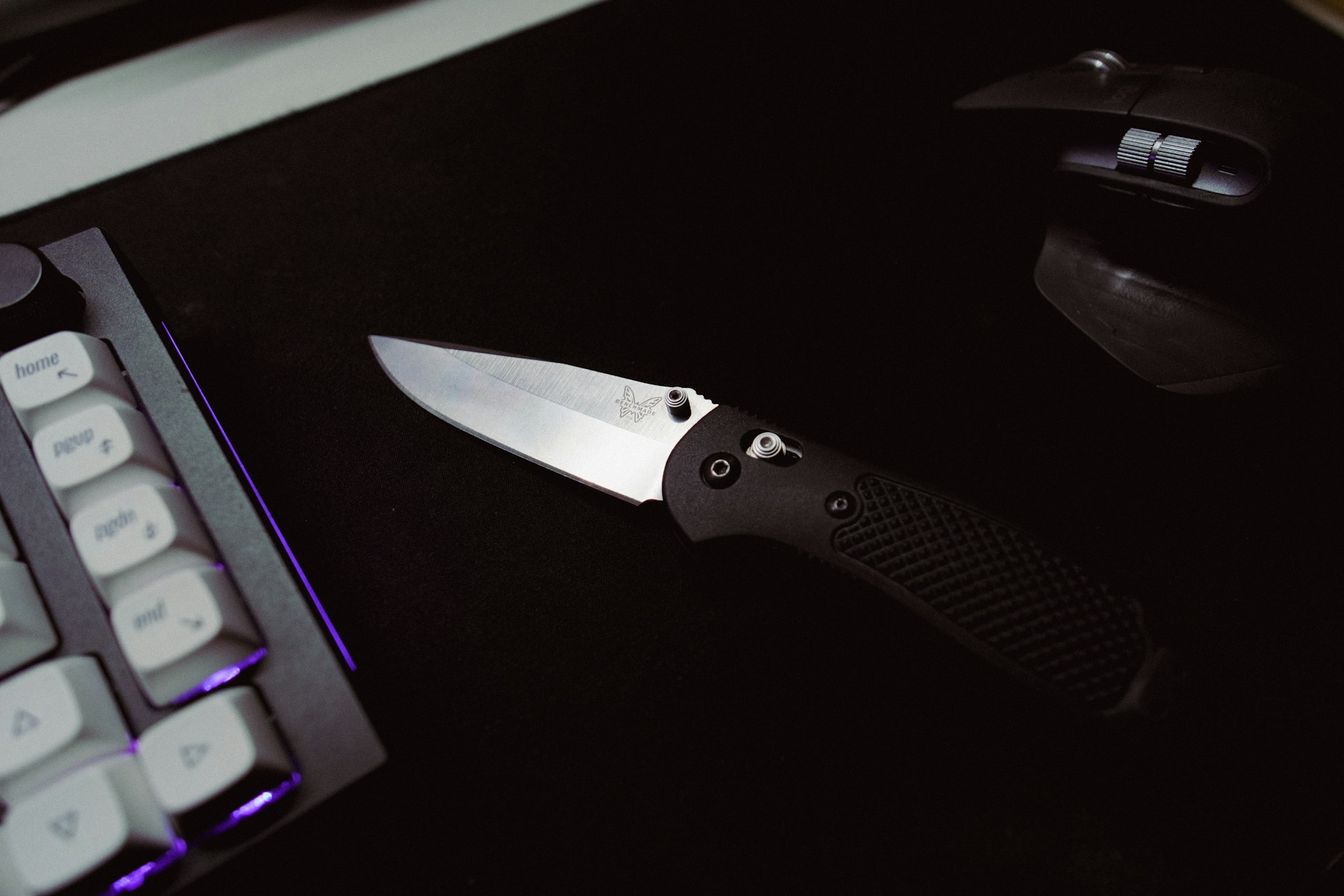
- Examples: OTF automatic: Microtech Ultratech, Combat Troodon. Side-opening automatic: Benchmade CLA, Auto Fact; Microtech L.U.D.T., SOCOM Elite Auto.
How Do the Mechanisms Feel in Use?
A side-opening automatic generally feels close to a familiar folding knife. An OTF feels more like working a mechanical slide. You notice the difference most when you open and close the blade, and in how the blade feels once it’s locked.
Single-Action vs Double-Action OTF Operation
A single-action OTF automates only opening. You retract the blade by hand, usually by pulling back a charging handle or pushing the blade back in.
A double-action OTF automates both directions. Benchmade describes it this way: “a switch engages two internal springs: one to deploy the blade, one to retract it.” For the inner workings, see how double-action OTF knives work.
Side-opening automatics don’t use single- and double-action terms. Most fire open with one press and close by hand once you release the lock.
One-Handed Opening and Closing
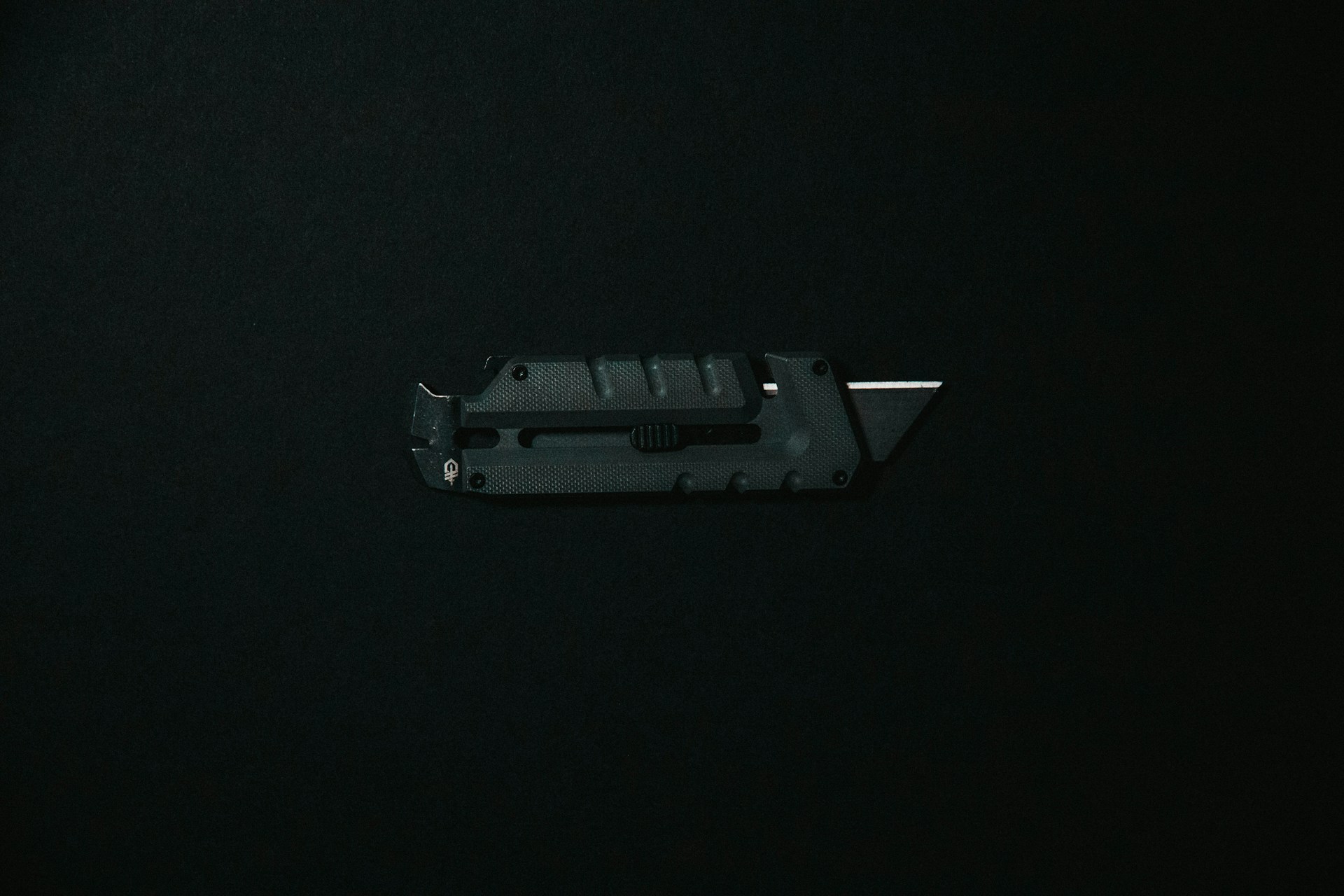
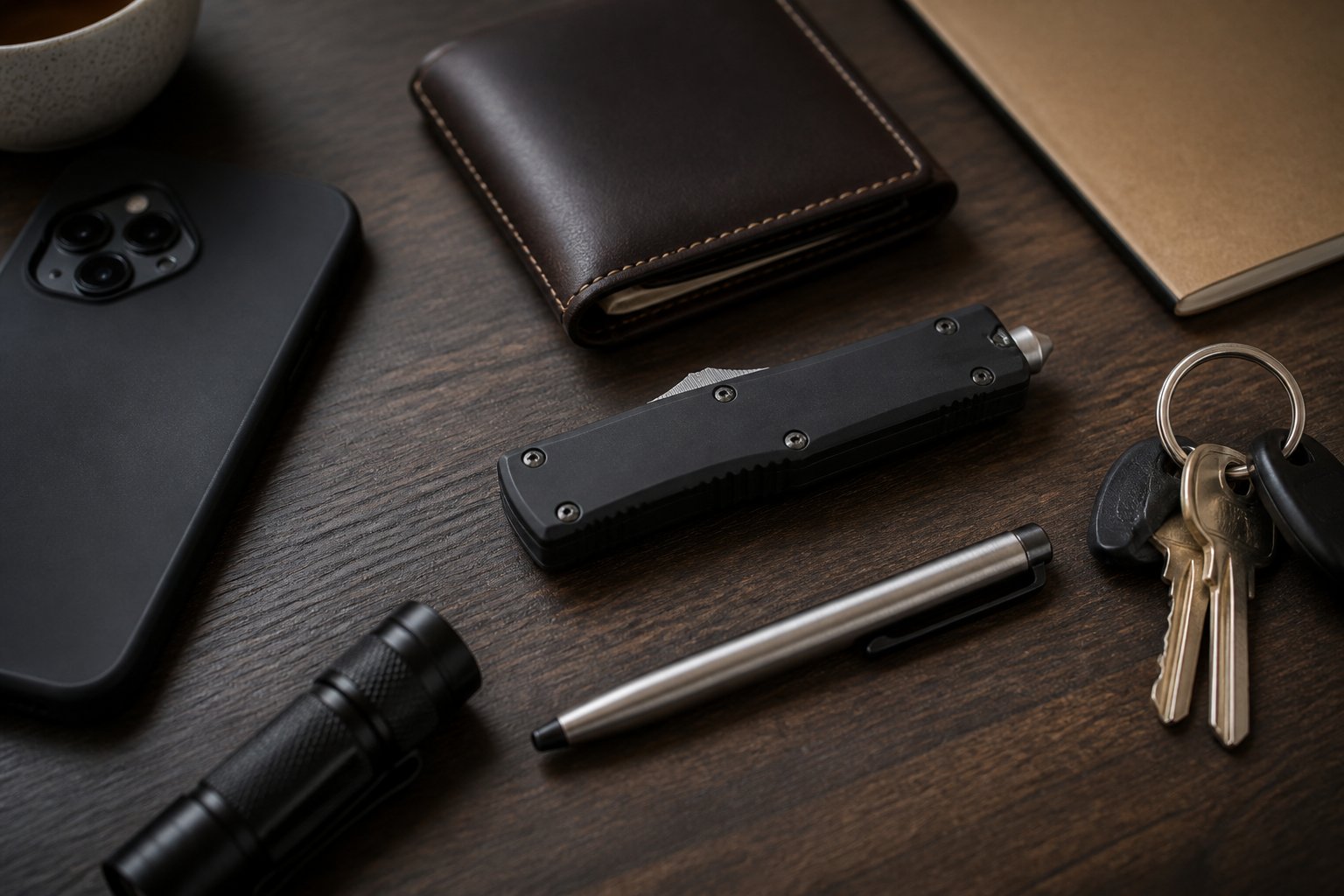
A double-action OTF, such as the Microtech Ultratech, opens and closes with one thumb on the switch, and your fingers never go near the edge. That’s handy if you’re wearing gloves or holding something with your other hand.
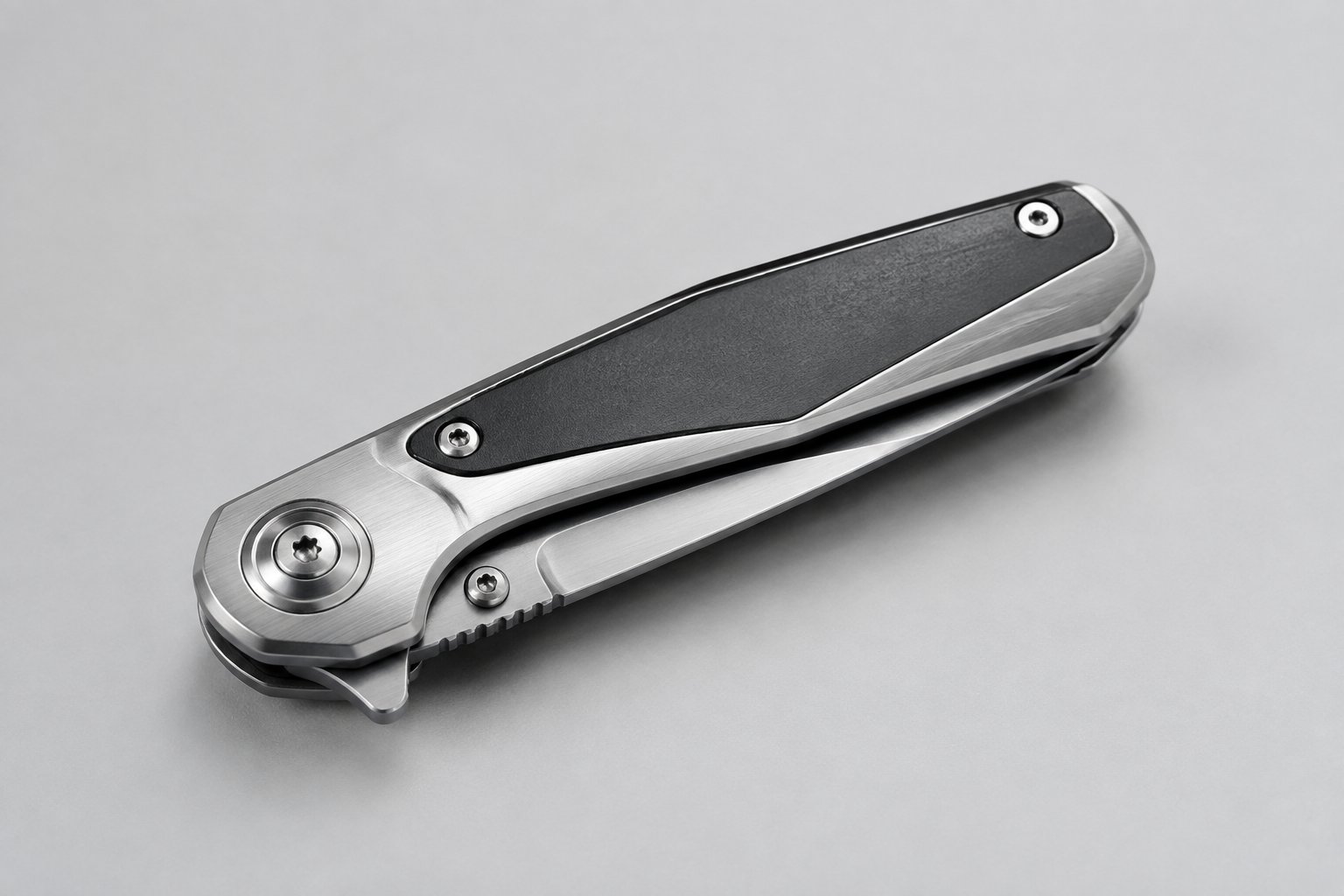
A side-opening automatic also opens one-handed. Closing usually means pressing the release and folding the blade back into the handle, which many people can do one-handed with practice, much like closing a manual folder.
Blade Stability, Lockup, and Blade Play
Because an OTF blade rides in a track, it needs a little clearance to move, so slight blade movement when locked open is common. Microtech also builds a fail-safe into most of its OTFs that “prevents the blade from locking if it encounters resistance before full deployment.” When that happens, “the blade may slide loosely along the track” until you reset it by pulling the blade fully out until it locks, according to Microtech’s reset guide.
Side-opening automatics use a separate lock to hold the blade open. Benchmade’s Auto AXIS, for example, uses a lock stud that “engages the tang of the blade to keep it securely locked in place during use,” driven by dual Omega springs, per Benchmade’s Auto AXIS anatomy guide. Many people find a well-made side-opener feels as solid as a good manual folder.
If a knife has side-to-side play beyond what’s normal for its design, or won’t reset, contact the manufacturer instead of ignoring it.
Which Design Fits Everyday Carry and Cutting?
Neither mechanism decides how well the knife cuts. Carry feel, handle shape, and blade steel do most of that work.
Pocket Shape, Clip Placement, and Grip
An OTF handle has to house the full blade, the track, and the firing springs, so it’s typically a long, rectangular handle. Side-openers carry more like standard folders, and the handle shape can be more contoured.
Grip on both styles depends more on handle contouring and texture than on the opening mechanism.
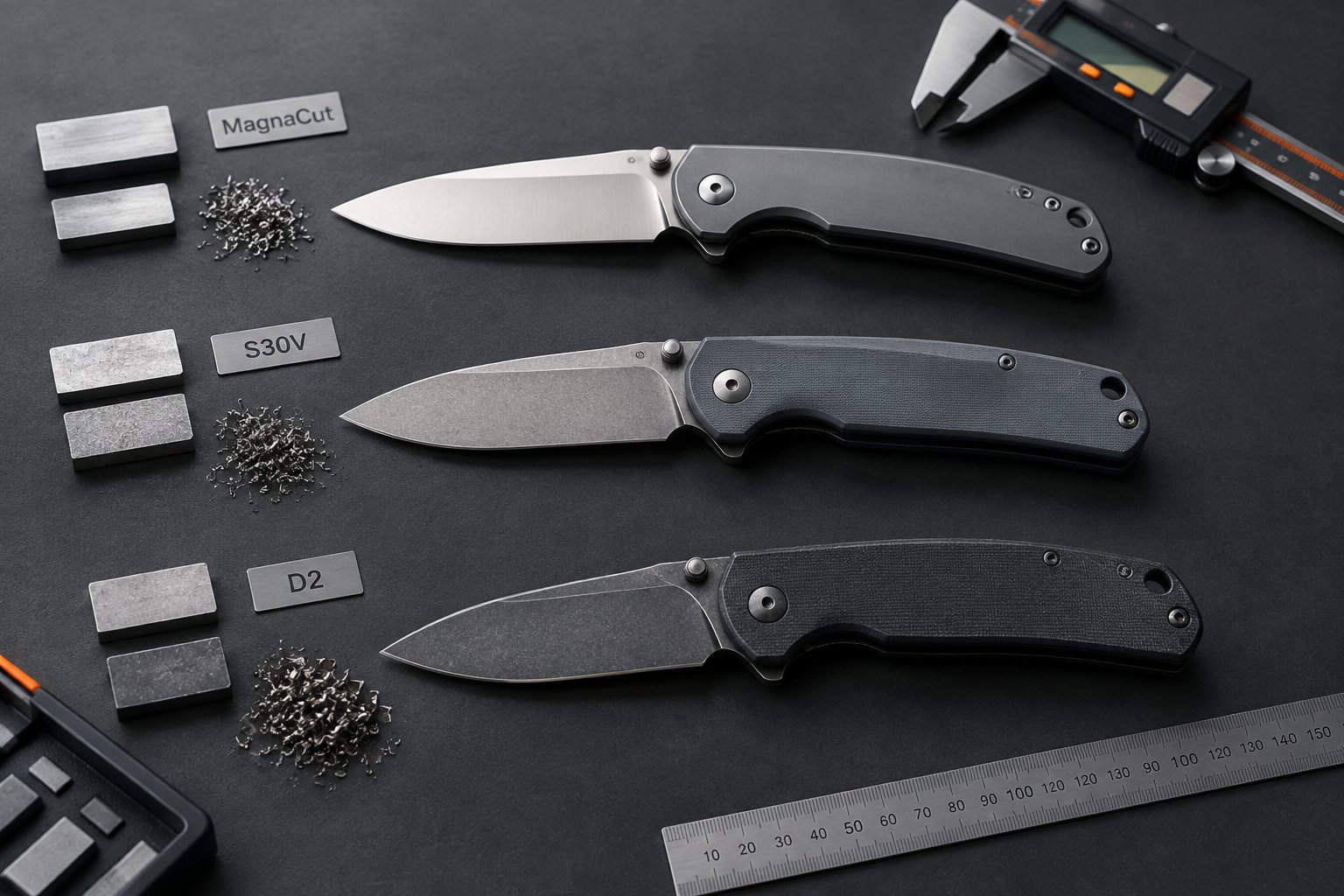
Blade Steel and Geometry Matter More Than Opening Direction
Blade steel, edge geometry, and blade length drive cutting performance, whichever way the blade opens. Two examples:
- Microtech Combat Troodon (OTF): 4-inch Bohler M390MK blade, 9.5 inches overall, 4.95 ounces.
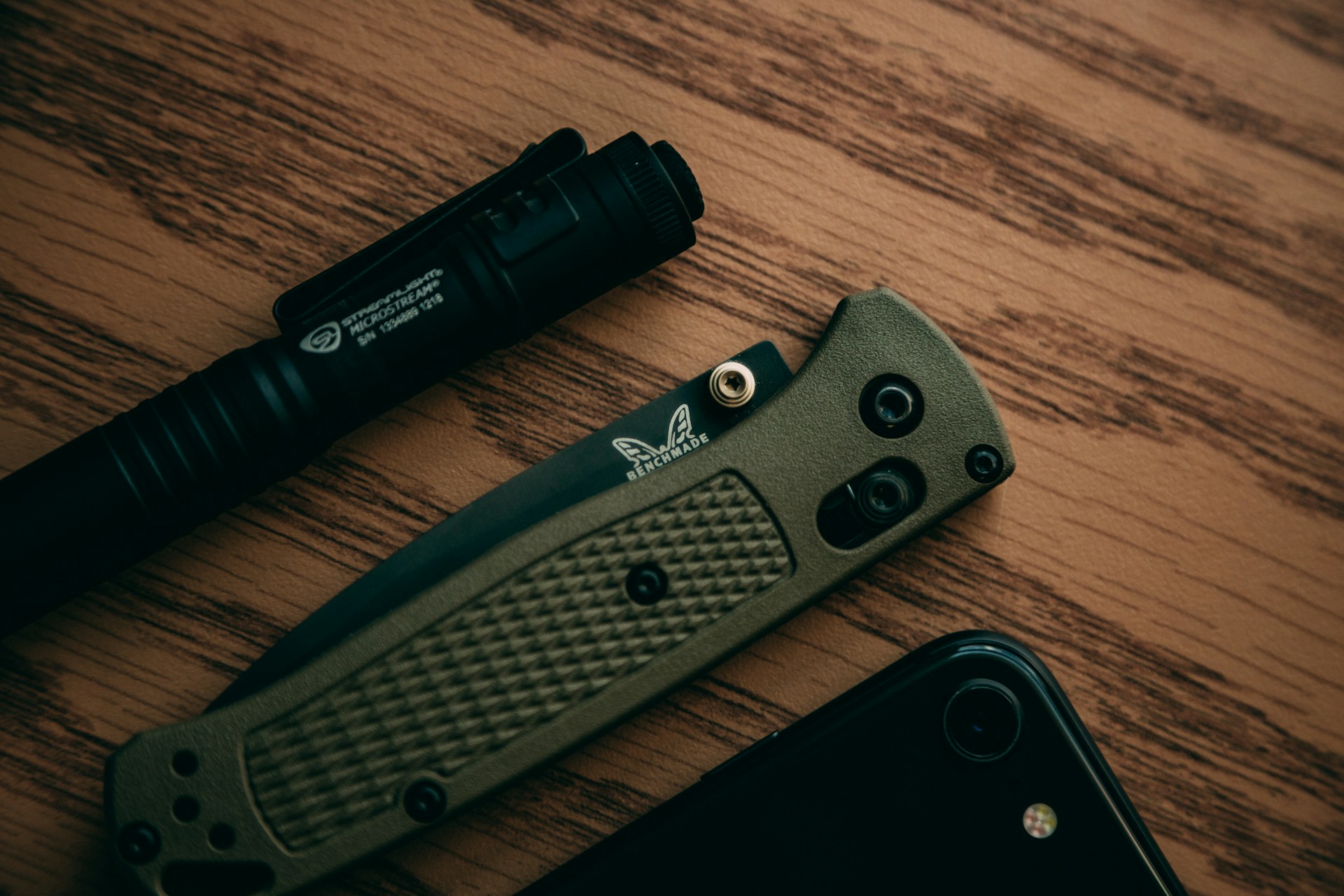
- Benchmade CLA (side-opener): 3.4-inch CPM MagnaCut blade at 60 to 62 HRC, G10 handle, push-button automatic “with integrated safety,” per Benchmade’s CLA product page.
Both are premium EDC steels. The mechanism around them doesn’t change what the steel can do.
Compare Them in Person
Holding a Microtech Ultratech next to a Benchmade side-opener shows the differences in handle thickness, weight, and lockup faster than any spec sheet. It also lets you feel straight-line versus pivoting deployment for your own hand and carry habits.
What Should You Expect From Maintenance and Price?
OTF knives generally need more routine cleaning than side-openers, because the track collects lint and grit. Price tracks materials, build, and brand more than opening direction.
Lint and Grit in an OTF Track vs a Side-Opener Pivot
An OTF track can trap pocket lint, dust, and tape residue along the channel the blade slides through. Microtech’s own maintenance quick guide recommends compressed air to clear debris, rubbing alcohol for tape residue, and light gun oil applied into the opening, then cycling the knife and blowing out any excess.
For folding knives, the same guide says to put light oil on the pivot and work the blade open and closed. For either style, wipe the blade clean after cutting food and keep it lightly oiled, especially if it rides in your pocket every day.
What Build Quality and Service Add to the Cost
Price differences come from materials, fit, and the maker’s service program. Manufacturer list prices checked in October 2026:
- Microtech Combat Troodon Gen III (1144-1NC), OTF: $511, M390MK blade with a titanium pocket clip.
- Microtech Ultratech Gen IV (11214-10), OTF: $327, M390MK blade with a 6061-T6 aluminum handle.
- Benchmade CLA (4300BK-02), side-opener: $400.
- Benchmade Auto Fact (4170BK), Auto AXIS side-opener: $500, CPM S90V.
Benchmade backs its knives with LifeSharp, which Benchmade’s Auto Fact product page describes as a lifetime warranty and maintenance program that includes cleaning, oiling, adjustments, and re-sharpening to a factory edge at no cost.
What Laws Should You Check Before Buying or Carrying?
Automatic knife laws depend on where you are, and most of them focus on automatic opening, not blade direction. So the same rules usually apply to an OTF and a side-opener.
Federal Rules vs State and City Restrictions
The federal Switchblade Knife Act, at 15 U.S.C. Chapter 29, makes it a crime to knowingly introduce switchblades into interstate commerce, or to manufacture them for that purpose. It also covers manufacture, sale, and possession in U.S. territories, Indian country, and other special federal jurisdictions. It does not set personal carry rules inside a state.
States and cities add their own rules, and those vary widely. Always check current state and local law, using official government sources, before buying or carrying an automatic knife.
Ownership, Purchase, and Carry Are Separate Questions
Being allowed to own an automatic doesn’t mean you can carry it everywhere. Some places allow ownership but restrict carry in settings like schools and courthouses, and some cities add their own ordinances.
Before ordering an OTF or a side-opening automatic, confirm three things: ownership is legal where you live, your carry method is allowed, and no local ordinance adds restrictions.
OTF or Side-Opener: How to Choose
Choose an OTF if you want straight-line deployment and one-hand closing from a double-action switch, and you don’t mind a bit more routine track cleaning.
Choose a side-opening automatic if you want a mechanism that feels like a familiar folder, a contoured handle, and simple pivot maintenance.
Either way, blade steel, handle material, and build quality matter more to daily performance than the direction the blade travels.
Frequently Asked Questions
Is an OTF knife a type of automatic knife?
Yes. An OTF knife is an automatic knife whose blade deploys straight out the front of the handle under spring power when you push a switch or button. It meets the federal definition of a switchblade, just like a side-opening automatic, so check your state and local rules before you buy or carry one.
Can you close a double-action OTF with one hand?
Yes. A double-action OTF uses the same switch to fire the blade out and pull it back in, with one spring for each direction, so you never touch the edge. A single-action OTF only automates opening, so you retract the blade by hand.
Is some blade play normal on an OTF knife?
A little blade play is common on OTFs because the blade needs clearance to slide in its track. If the blade feels loose after it met resistance during firing, Microtech’s fail-safe may have tripped; pull the blade all the way out until it locks to reset it. If play feels excessive, contact the manufacturer.
Are side-opening automatics easier to maintain than OTFs?
Usually, yes. A side-opener’s pivot is a smaller, more enclosed area than an OTF’s full-length track, so it collects less lint and grit. Light oil on the pivot covers most upkeep. OTFs benefit from regular compressed air, occasional rubbing alcohol for residue, and light oil cycled through the mechanism.
Are OTF knives and side-opening automatics legal in the same places?
In most places, yes, because laws usually target automatic opening rather than blade direction, and the federal definition covers both. Rules still vary by state and city, and some local ordinances add carry restrictions, so check current state and local law before you buy or carry either style.
Find Your Carry
You can feel the difference between a straight-out OTF and a swing-out auto in about ten seconds. Sharp Things OKC keeps both styles at our 6610 N May Ave store, or you can shop automatic knives online, where orders placed before 3 pm usually ship the same day.