Crossbow vs Compound Bow for Hunting: Key Trade-Offs

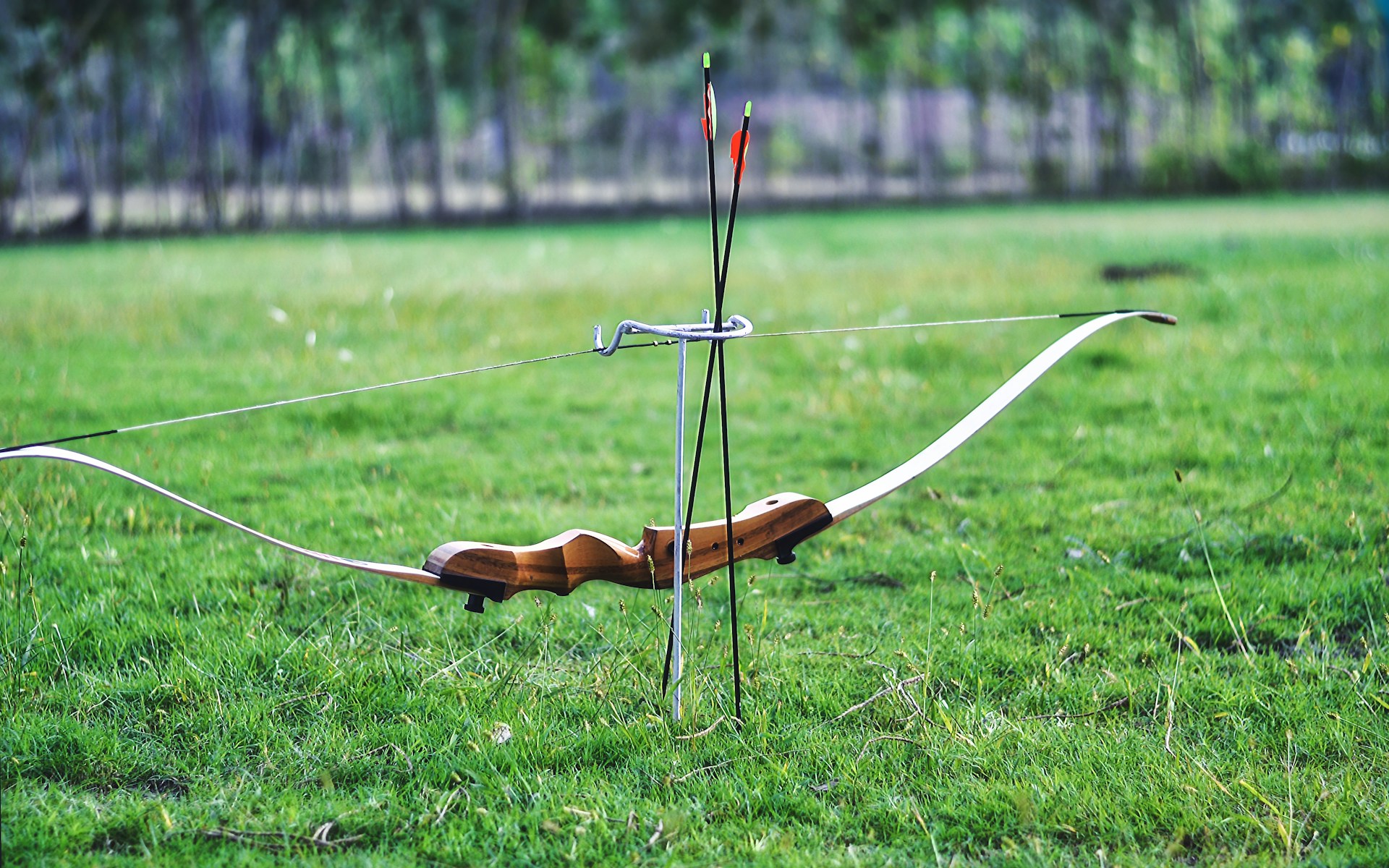
If you’re choosing your first bow for deer season, the big question is how each one handles at the moment of the shot. A crossbow is cocked ahead of time and held ready by a trigger. A compound bow is drawn by hand when the animal steps in.
This crossbow vs compound bow hunting comparison covers learning curve, practice time, accuracy, handling, noise, cost, and season rules, then gives a clear verdict.
Which Differences Matter Before You Buy?
A crossbow suits hunters who want a weapon that’s ready to fire without drawing at the shot. A compound bow suits hunters who want a lighter, more mobile setup and are willing to put in practice time.
The core difference is timing. A crossbow’s draw happens before the hunt, while a compound bow’s draw happens during it.
Both use limbs, cables, and often cams to store energy, but they package it differently. A crossbow has a stock, a trigger, and usually a scope, so it handles more like a rifle. You hold a compound bow upright and aim with a pin or single-pin sight.
At-a-Glance Hunting Comparison
- Draw timing: Crossbow: Cocked ahead, held by the trigger. Compound Bow: Drawn at the moment of the shot.
- Holding the draw: Crossbow: Held mechanically. Compound Bow: Cam let-off reduces holding weight.
- Learning curve: Crossbow: Shorter. Compound Bow: Longer.
- Movement at the shot: Crossbow: Minimal. Compound Bow: More (the draw).
- Weight and bulk: Crossbow: Heavier, wider. Compound Bow: Lighter, slimmer.
- Follow-up shot: Crossbow: Slower (recock). Compound Bow: Faster.
- Common use: Crossbow: Stands and blinds. Compound Bow: Stands, blinds, spot-and-stalk.
How Does Each Bow Hold Its Draw?
A crossbow holds its draw mechanically. Once you cock it, a latch holds the string under tension until you press the trigger, so you can wait for a long stretch without holding anything back.
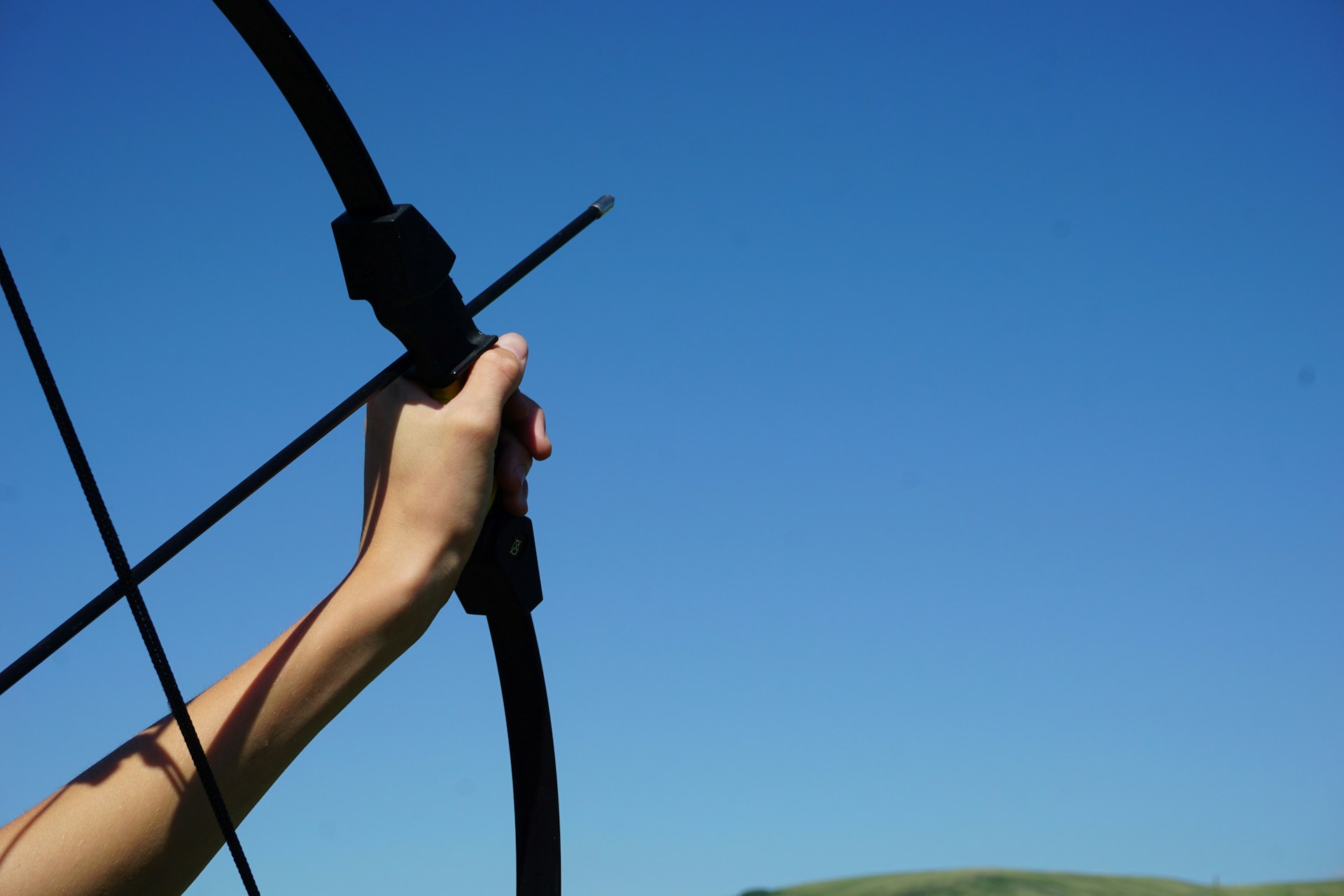
A compound bow holds its draw through let-off from its cam system. At full draw, the cams roll over and cut the weight you have to hold. Bear Archery’s Whitetail NXT RTH, for example, offers 80% or 85% let-off. Even so, you still have to draw, hold at full draw, and keep the bow up when the shot comes, which is the key physical difference from a crossbow.
How Do They Compare in the Field?
Both kill game cleanly within their effective range when the hunter is practiced. The real differences show up in how long it takes to get good, how much you move before the shot, and how fast you can shoot again.
Learning Curve and Practice Time
A crossbow usually takes less practice to shoot accurately. The trigger, stock, and scope work like a rifle, so many hunters bring skills they already have.
A compound bow takes longer. You have to build consistent form, a repeatable anchor point, and the strength to draw and hold under cold, cramped, or nervous conditions. Either way, start practicing well before opening day.
Accuracy at Typical Hunting Distances
Both can shoot tight groups at common bowhunting distances when the shooter is practiced, and the equipment is sighted in. A crossbow’s rest, stock, and scope make it easier to hold steady, which helps newer shooters.
A compound bow’s accuracy depends more on your form from shot to shot. With either one, keep your shots within the distance you’ve practiced and can make ethically.
Shot Noise and Follow-Up Speed
Crossbows are often louder at the shot, but noise varies a lot by model, draw weight, and dampening accessories, so compare specific models when noise matters to you.
Follow-up shots favor the compound bow. A practiced archer can nock and draw a second arrow faster than most hunters can recock a crossbow, especially if the crossbow uses a crank instead of a rope cocker.
Which Is Easier to Handle While Hunting?
A crossbow is easier to hold ready and aim in the moment, but it’s heavier and wider in a tight stand or blind. A compound bow is lighter and easier to move with, but it takes more effort and motion right before the shot.
Cocking Effort vs. Drawing at the Shot
A crossbow takes its effort before the hunt: you cock it by hand, with a rope cocker, or with a crank. Once it’s cocked, you just aim and squeeze, much like shouldering a rifle.
A compound bow takes its effort at the worst moment. You have to draw just as a deer steps into range, which means moving your arm when the animal is closest and most alert.
Weight and Movement in a Stand or Blind
A crossbow with a scope, quiver, and cocking device attached is usually heavier and wider, which can be awkward in a cramped treestand or ground blind. A compound bow is lighter and slimmer, so it’s easier to shift, turn, and reposition without noise during a long sit.
What Will Ownership and Legal Access Involve?
Total cost and legal eligibility both depend on the weapon and on your state. Check your state wildlife agency’s current rules before you buy either one.
Total Setup Cost and Ongoing Care
A compound bow setup usually adds a sight, arrow rest, stabilizer, release aid, and arrows. A crossbow setup usually adds a scope, a cocking device, and bolts. Many bows and crossbows come as packages that bundle these parts, so compare complete setups rather than the bow alone.
Ongoing care is similar for both: inspect strings and cables for wear, wax the string, and have a qualified archery shop look over the equipment from time to time.
Archery Season Eligibility and Equipment Rules
States treat crossbows very differently. In Oklahoma, the Oklahoma Department of Wildlife Conservation’s big game regulations list crossbows as legal archery equipment for the deer, elk, antelope, turkey, and bear archery seasons. Under those rules:
- Crossbows need a minimum 100-pound draw weight and safety devices.
- Crossbow bolts must be at least 14 inches long.
- Compound bows must have at least 30 pounds of draw weight; recurves, longbows, and self-bows must have at least 40.
- Arrows and bolts must carry hunting broadheads at least 7/8 inch wide (mechanical broadheads count if they meet that width when open).
- Laser sights are not allowed unless the hunter is certified 100% disabled or legally blind.
Oklahoma’s 2026-27 deer archery season runs October 1, 2026, to January 15, 2027, according to ODWC’s season dates. If you’re comparing bolt options, this guide to crossbow bolts vs. arrows explains why the two aren’t interchangeable.
Other states set very different rules. Massachusetts, for example, issues crossbow permits for hunting only to people with a documented permanent disability, and permit holders can’t go back to a conventional bow for hunting there. Always confirm the current rules in your state, and the state where you’ll hunt, before the season.
When to Choose a Crossbow vs. a Compound Bow
Choose a crossbow if you want a shorter learning curve, a draw that’s held for you, minimal movement at the shot, and a weapon that handles like a rifle. It’s also the practical choice if a shoulder, back, or strength issue makes drawing a bow hard.
Choose a compound bow if you want a lighter, slimmer setup, faster follow-up shots, and more freedom to move in a stand or on a stalk, and you’re ready to practice to build consistent form.
Either one is a capable, legitimate choice for deer and other big game where your state allows it. Handling both in person tells you more about weight, balance, and trigger or release feel than any spec sheet.
Frequently Asked Questions
Should I get a crossbow or compound bow for hunting?
Get a crossbow if you want to shoot accurately sooner and don’t want to draw when a deer is in range. Get a compound bow if you want a lighter setup with faster follow-up shots and you’re willing to practice your form. Check your state’s archery season rules either way.
Is a 40 lb compound bow enough for deer hunting?
In Oklahoma, yes on paper: compound bows of 30 pounds or more are legal for deer. Whether it’s enough in practice depends on your arrow weight, broadhead, and shot distance, so keep shots close. Many hunting compounds start higher; Bear’s Whitetail NXT RTH comes in 45 to 60 or 55 to 70 pound ranges.
Is 50 yards too far for a crossbow hunting shot?
For most hunters, yes. Fifty yards is a long shot that depends on your practice, your scope, and your crossbow’s accuracy at that range. Many hunters keep shots much closer for clean, ethical hits. Practice at your intended hunting distance before the season to learn your real limit.
Can I use a crossbow during archery season?
It depends on your state. In Oklahoma, crossbows with at least 100 pounds of draw weight and safety devices are legal during archery seasons. Other states limit crossbows to separate seasons or to hunters with a documented disability, so check your state wildlife agency’s current rules.
Which is better for a beginner hunter?
A crossbow is usually easier for a beginner to shoot accurately in a short time, because the trigger, stock, and scope do much of the work. A compound bow rewards more practice with a lighter, more mobile setup. If you can start practicing months before the season, either is a good first choice.
Shop the Collection
Leaning toward a crossbow? Browse the crossbow collection at Sharp Things OKC for crossbows, bolts, and accessories, and check each crossbow’s draw weight against your state’s minimum before you buy.
Orders placed before 3 pm usually ship the same day, or stop by the N May Ave store to handle one in person.