
Machete Types and Uses: Find the Right Blade

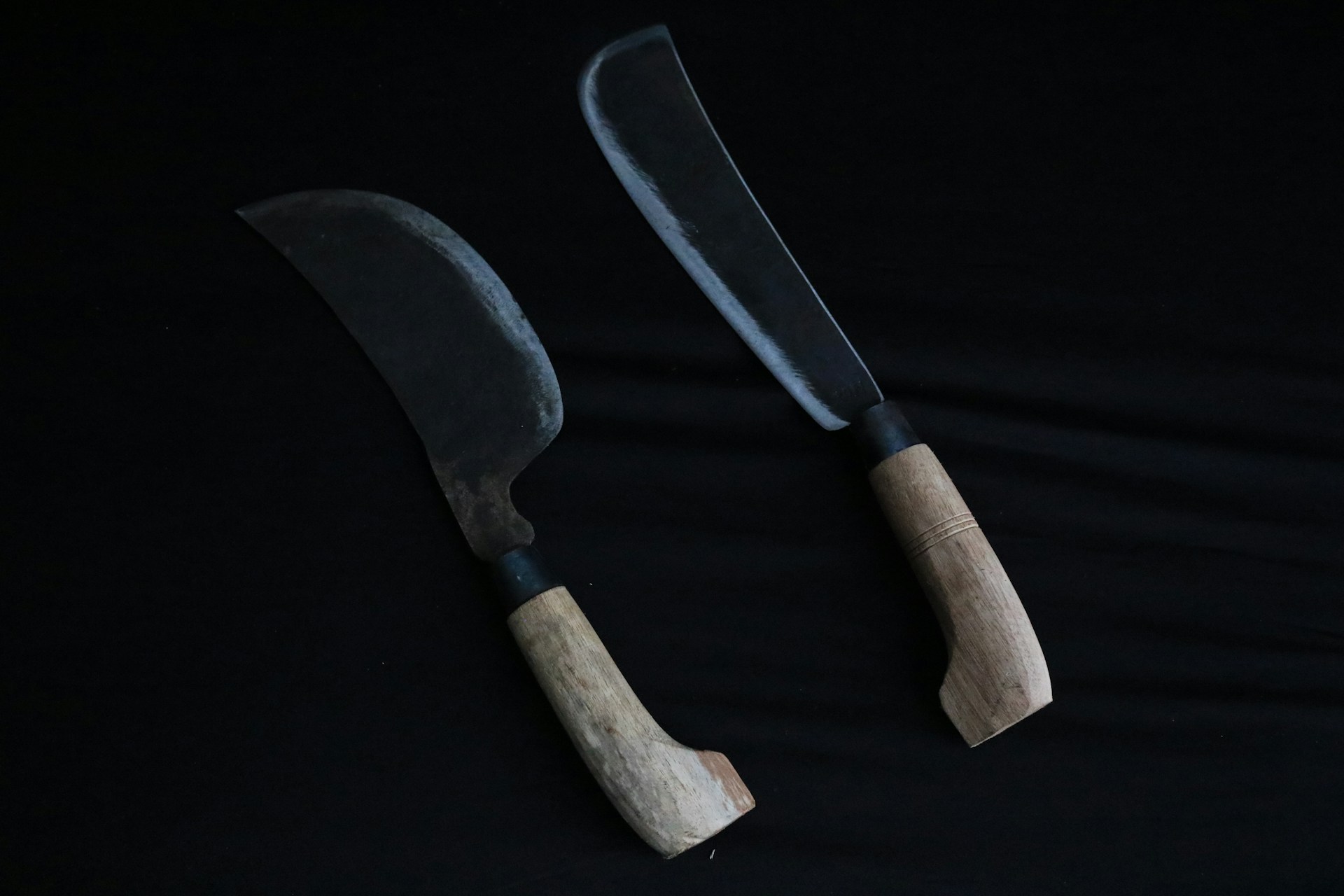
Picking the right blade starts with knowing what each shape was built to do. Machete types and uses vary more than most first-time buyers expect, and the wrong choice can turn easy yard work into a fight with the tool itself. A blade meant for slicing cane grass will bounce off hardwood, while a chopper built for thick brush feels clumsy on thin vines.
The right machete comes down to matching blade shape, weight, and length to the material you cut most often, not picking whatever looks toughest on a shelf. Bolo, kukri, latin, and parang patterns each solve a different cutting problem, shaped by generations of field use in different climates and crops.
A quick honest note before you keep reading: the bolo and kukri are technically their own separate edged-tool traditions, not machetes by strict classification, but they get grouped with true machetes constantly in outdoor and gear circles because they solve the same brush-clearing and chopping jobs, so this guide covers all four together the way you’ll actually encounter them while shopping.
This guide walks through how blade geometry changes performance, then breaks down the major regional patterns so you can match one to your land, camp, or trail work.
How Blade Shape and Balance Affect the Cut
Blade shape controls where the weight sits, and that placement decides whether a machete chops, slices, or does both. A blade with a wide belly near the tip swings like a small axe. A straight, evenly weighted blade behaves more like a long knife.
Steel thickness plays into this too. Machete blades typically run 30 to 66 centimeters (12 to 26 inches) long and usually under 3 millimeters thick, which keeps them light enough to swing all day without wearing out your arm. Thicker stock adds chopping strength but costs you speed on repeated strokes through soft growth.
Weight distribution also changes how a blade recovers between swings. A front-heavy tool takes more effort to reset for the next cut, while a balanced blade lets you chain strokes faster through grass and vines.
Forward Weight vs. Straight-Edge Control
Forward weight puts extra mass near the tip, which builds momentum for chopping through woody stems and small branches. This design trades control for power, since the blade wants to keep moving once it starts swinging.
Straight-edge blades keep weight evenly spread from handle to tip. That balance gives you more precision for slicing motions, like clearing vines or trimming grass close to the ground.
- Forward-weighted blades: better for chopping saplings, thick brush, and light wood
- Straight-edge blades: better for slicing vines, tall grass, and garden cleanup
- Mixed-profile blades: split the difference for general yard and trail work
Blade Length, Thickness, and Reach
Blade length shapes both reach and control, and the standard range for true machetes runs about 12 to 26 inches. Longer blades clear more ground per swing but get harder to control in tight brush.
Shorter blades, closer to 14 inches, work better in tangled undergrowth where a long tip would snag. A thicker spine near the handle adds strength for batoning small wood, a detail casual buyers rarely notice but collectors look for right away.
The next question is which blade shape actually delivers that balance for hard chopping jobs like clearing saplings or thick deadfall.
Bolo and Kukri Blades for Hard Chopping
Bolo and kukri patterns both put mass forward on the blade, but they solve different chopping problems. The bolo widens gradually toward a rounded tip, while the kukri curves sharply forward in a distinct forward-swept profile. Both tend to run shorter than a true machete, typically well under 18 inches, and both are curved-edge tools with their own distinct regional lineage rather than variants of the straight-edged Central American machete.
Many users find the kukri’s forward-heavy geometry hits harder on hardwood, batoning, and shelter-building tasks than a similarly sized bolo, since the curve concentrates force closer to the blade’s widest, heaviest point.
That said, the bolo still earns its place in tool bags. Its wide belly near the tip gives it strong momentum for cutting through row crops and light brush, and its more familiar handle geometry makes it easier for first-time users to control.
When a Bolo Machete Makes Sense
A bolo-style blade makes sense when you’re clearing consistent, lighter vegetation like cornstalks, banana leaves, or garden overgrowth. The wide, curved belly near the tip carries the chopping force, so you don’t need to swing as hard for clean cuts.
Bolo blades vary noticeably by region and maker, with slight curve differences suited to specific crops. That variety is part of why bolo-style blades remain common on farms across the Philippines and Latin America.
Where a Kukri Works Better Than a Long Blade
A kukri works better than a standard long machete when the job calls for chopping power in a shorter, more controllable package. Its forward curve concentrates striking force right where the blade is widest, letting it bite into hardwood with less swing effort.
This makes the kukri a strong choice for batoning firewood, processing game, or building a shelter frame, tasks a thinner Latin blade struggles with. A well-known reference point here is the traditional Gurkha kukri, prized by collectors for its full-tang construction and forward-heavy balance.
If your work leans toward lighter clearing instead of heavy chopping, a different blade family fits the job better.
Latin and Parang Patterns for Clearing Work
Latin and parang machetes trade chopping mass for slicing efficiency, making them better suited to brush, vines, and light woody growth. Both patterns keep the blade thinner than a bolo or kukri, letting them cut cleanly without full-arm swings.
The Latin machete runs straight and narrow, generally in the same 12-to-26-inch range common to machetes overall. It’s the classic field machete seen across Mexico, Colombia, and Brazil, built for long days of repetitive cutting.
The parang, common across Southeast Asia alongside the related golok, uses a shorter, thicker blade with a more aggressive edge angle than a true machete, which makes it better suited to woody vegetation than fine slicing work.
Why a Latin Machete Suits Light Brush and Vines
A Latin machete suits light brush and vines because its thin, straight blade slices instead of hacks. Less mass near the tip means less fatigue over hours of repetitive cutting, which matters most on large properties or farm rows.
- Ideal for: tall grass, vines, cornstalks, light underbrush
- Blade profile: straight, thin, evenly balanced
- Trade-off: less effective against thick or woody stems
When a Parang Is the Better Choice for Woody Growth
A parang is the better choice once you’re cutting through woody stems, bamboo, or dense jungle-type growth that would dull a thinner Latin blade fast. Its thicker spine and steeper edge angle resist chipping under repeated impact.
The parang’s shorter length, often under 18 inches, also gives you more control in tangled terrain where a longer latin blade would catch on obstacles. That control becomes especially useful on trail work where visibility is limited.
Choosing between these regional patterns is only half the decision. The other half is matching a blade to your specific land or camp routine.
Choosing a Machete for Your Land or Camp Tasks
The right machete depends on the mix of tasks you actually do, not a single ideal blade for everything. Someone clearing fence lines needs different geometry than someone packing light for a weekend camp trip.
Matching blade profile to your most frequent task saves wear on both the tool and your arm. A too-heavy blade tires you out on light work, while a too-thin blade dulls fast against woody growth.
Best Blade Profiles for Vines, Grass, and Trail Clearing
Thin, straight blades in the Latin family handle vines, grass, and trail brush with the least effort. Their light front weight lets you chain quick slicing strokes without tiring your wrist.
For heavier trail obstacles like fallen branches or young saplings, a bolo or panga-style profile adds chopping strength without the full curve of a kukri. The panga, a related broad-bladed tool common in East and Southern Africa, works well here as a middle-ground option for mixed terrain.
What to Carry for General Camp Utility
A mid-length blade between 14 and 18 inches covers most camp needs, balancing chopping ability with pack-friendly size. That range handles kindling prep, clearing a tent site, and light trail maintenance without adding much weight.
Carbon steel blades in this range sharpen easily in the field, which matters more on multi-day trips than raw hardness numbers. Stainless options resist rust better in humid climates but usually need more frequent honing to hold an edge.
Handle Grip, Sheath, and Safe Carry Considerations
A secure grip and a rigid sheath matter as much as blade steel once you’re working for hours at a time. Deep-checkered or rubberized handles keep the tool from slipping during sweaty, repetitive swings.
- Full-tang construction: adds strength for batoning and heavy chopping
- Molded polymer sheaths: resist wear better than basic nylon over years of use
- Retention straps: keep the blade secure during hikes or vehicle storage
Once you’ve settled on grip and carry style, the last step is matching blade type to the job in front of you.
Match the Blade to the Work
The fastest way to choose a machete is to name your most common task first, then pick the blade family built for it. A property with heavy brush calls for a different tool than a garden with soft weeds and vines.
Think through frequency, not just difficulty. A blade you use daily for light trimming should prioritize control and low fatigue over raw chopping power, even if you occasionally face a tougher job.
- Heavy brush and saplings: bolo or kukri profile for forward chopping power
- Vines, grass, and garden edges: Latin machete for light, controlled slicing
- Jungle-type woody growth: parang for thickness and edge durability
- Mixed camp tasks: mid-length blade around 14 to 18 inches for balance
Steel choice matters here too. Carbon steel blades, common across most traditional machete styles, sharpen fast in the field but need a wipe-down to prevent rust.
Finding the right blade often comes down to feeling the weight and balance in your hand, something spec sheets never fully capture. Stopping by Sharp Things OKC lets you compare a bolo, kukri, latin, and parang side by side before committing to one for your land or camp work.
Whether you’re outfitting a property for seasonal brush clearing or packing light for a weekend trip, the team can walk you through steel options and handle fit for your specific task. Same-day online orders placed before the 3pm shipping cutoff ship that day, so you won’t have to wait long to get the right tool in hand.
Frequently Asked Questions
What Type of Machete Is Best for Clearing Thick Brush?
A bolo or kukri handles thick brush best because their forward-weighted blades build chopping momentum. Both cut through saplings and woody stems with less swing effort than a thinner Latin blade.
Is a Bolo or Kukri Better for Chopping Wood?
The kukri generally outperforms the bolo for chopping wood, thanks to its forward-heavy curve, and is a common pick for batoning and shelter-building tasks. The bolo still works well for lighter, consistent brush like crops and garden growth.
What Is a Latin Machete Best Used for?
A Latin machete works best for slicing vines, tall grass, and light underbrush thanks to its thin, straight, evenly balanced blade. It’s a common choice across farms in Mexico, Colombia, and Brazil for daily fieldwork.
How Long Should a Machete Blade Be for Camping?
A blade between 14 and 18 inches suits most camping needs, balancing chopping power with a manageable pack weight. Shorter blades offer more control in tight brush, while longer blades extend reach for clearing wider paths.
Can a Parang Machete Cut Vines and Small Branches?
Yes, a parang cuts vines and small branches well, though its thicker blade is built more for woody growth than fine slicing. Its steeper edge angle holds up better against bamboo and dense jungle vegetation than a thin Latin blade.
Are Machetes Legal to Carry in Public?
Machete laws vary by state and city, so check local rules before carrying one openly or in a vehicle. Some areas treat machetes like any other long-bladed tool, while others restrict concealed carry or public display.