
Oklahoma Knife Laws Explained: Carry Rules and Limits

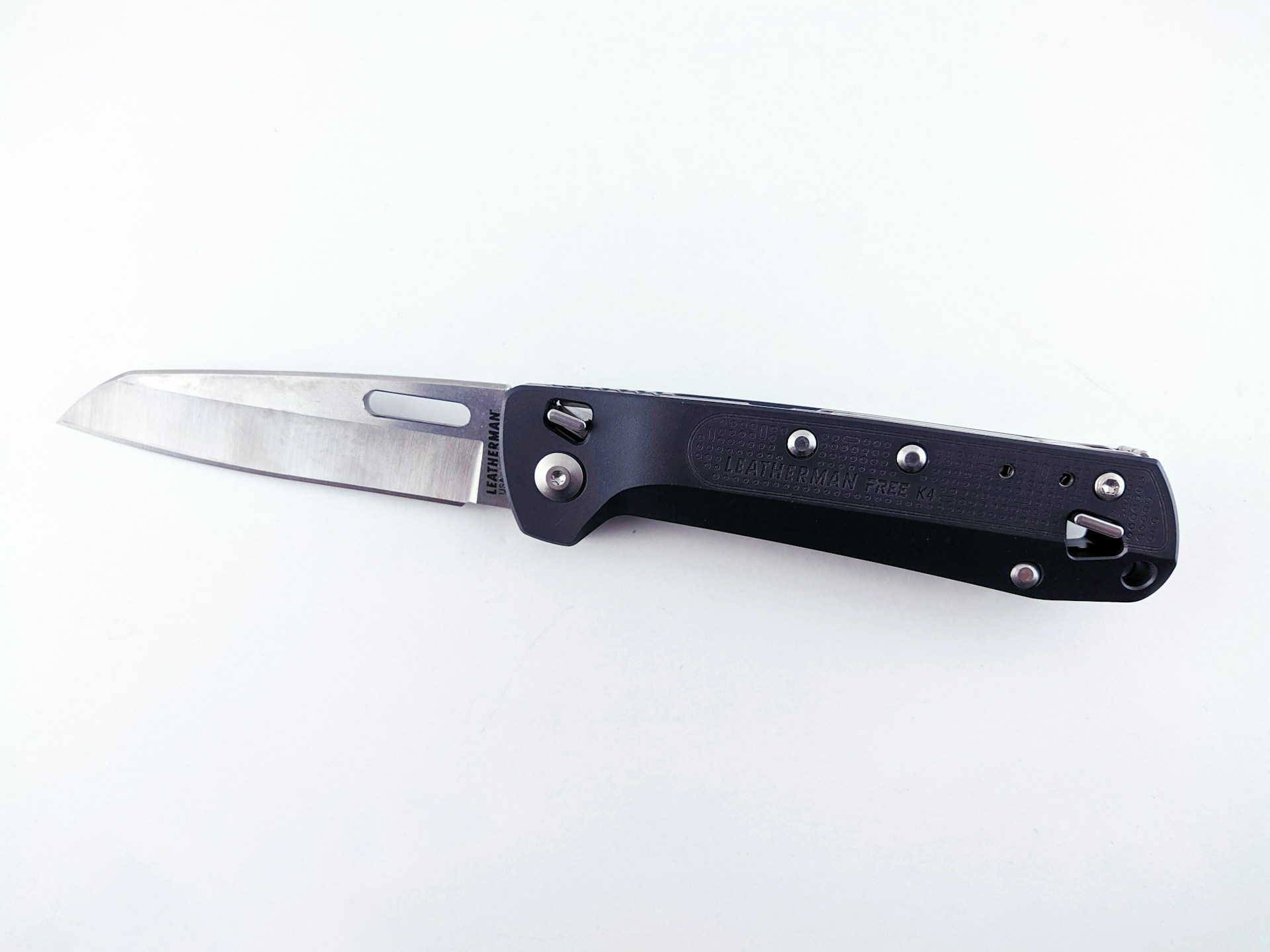
If you have wondered whether that OTF automatic or dagger in your collection is actually legal to carry, Oklahoma has good news. This state repealed nearly all of its knife restrictions back in 2015 and 2016, making it one of the most permissive places in the country to own and carry a blade. Oklahoma knife laws explained in plain terms come down to this: most knives, including switchblades, are legal to own and carry openly.
That does not mean every situation is worry-free. Concealed carry, school zones, and city ordinances can still change the answer depending on where you are standing. Oklahoma’s statewide law removed nearly every knife-specific restriction, but location and intent still shape what happens if you get stopped.
If you shop or live near Oklahoma City, this matters beyond theory. Local buyers and visitors regularly ask staff at Sharp Things OKC whether a specific folder or fixed blade is legal to carry downtown, and the honest answer usually starts with the statute, not a guess.
What Oklahoma Law Generally Allows
Oklahoma allows adults to own and carry almost any knife, openly or concealed, without a permit or blade length cap. The controlling statute, 21 O.S. § 1272, no longer lists daggers, Bowie knives, dirk knives, switchblades, or sword canes among prohibited items. Its current text restricts only firearms and “any blackjack, loaded cane, hand chain, metal knuckles, or any other offensive weapon.”
This is a broad shift from how most states handle blades. Many states still ban automatics outright or cap concealed blade length at three or four inches. Oklahoma dropped both restrictions, which is why residents moving in from stricter states are often surprised at what fits in a pocket clip here.
Are Open and Concealed Knife Carry Legal?
Yes, adults can carry ordinary knives openly or concealed in Oklahoma. The statute does not require a permit or license for either method.
This puts Oklahoma ahead of neighboring states that still separate open carry from concealed carry with different rules. A folding knife clipped to your pocket and a fixed blade worn openly on a belt face the same legal standard here.
Is There a Statewide Blade-Length Limit?
Oklahoma has no statewide blade-length limit for ownership or carry. No three-inch rule, no four-inch cap, and nothing in the carry statute that measures your blade before deciding whether you broke the law.
That is a real outlier nationally. States like New York and Texas municipalities have leaned on length limits for decades, and buyers moving from those states often assume Oklahoma has a similar hidden number. It does not.
Which Knife Types Are Generally Lawful to Own and Carry?
Nearly every common knife type is lawful to own and carry in Oklahoma, including formats banned elsewhere. That list is longer than most first-time buyers expect:
- Fixed-blade hunting and camp knives
- Folding knives with any lock type, including liner locks and compression locks
- Automatics and OTF (out-the-front) knives
- Daggers and double-edged blades
- Bowie knives and other large fixed blades
- Sword canes and balisong (butterfly) knives
That range covers nearly the entire modern EDC market plus a handful of formats still treated as contraband elsewhere. Sharp Things OKC’s automatic knives, fixed blade, and butterfly knife selections cover most of that list directly. The next question is how Oklahoma got here, since this level of openness did not happen by accident.
How the 2015 and 2016 Reforms Changed Carry Rules
Two legislative sessions rewrote Oklahoma’s knife statute in back-to-back years, resulting in the permissive system in place today. Before 2015, Oklahoma’s weapons code still named switchblades, daggers, and Bowie knives as restricted items, much like many states still do.
House Bill 1911 took effect November 1, 2015, and removed switchblade and automatic knife restrictions from the carry statute. Senate Bill 1159 followed less than a year later, effective November 1, 2016, striking daggers, Bowie knives, dirk knives, and sword canes from the same prohibited list. Both effective dates appear directly in § 1272’s amendment history.
National knife-rights advocacy groups pushed for both reforms, shifting the law’s focus from the tool itself to how someone actually uses it.
When Did Switchblades Become Legal in Oklahoma?
Switchblades became legal to own and carry in Oklahoma on November 1, 2015, when HB 1911 took effect. Before that date, carrying a switchblade, sometimes called an automatic knife, was a criminal offense regardless of intent or context.
That single date matters if you are dating an older knife collection or wondering why an OTF purchased years ago felt like a legal gray area at the time. Anything bought or carried after that date falls under the current, permissive standard.
Why Daggers, Bowie Knives, and Sword Canes Are Not Generally Banned
Daggers, Bowie knives, and sword canes are not generally banned in Oklahoma because SB 1159 removed them from the statute’s prohibited list in 2016. Double-edged blades, in particular, used to draw extra scrutiny in many states simply because of their shape.
Oklahoma’s current law does not treat a dagger’s symmetrical edge as inherently more dangerous than a standard drop-point blade. The law now focuses on behavior, not blade geometry, which raises the next practical question: does that mean every location in the state treats knives the same way?
Where Carrying a Knife Can Still Be Restricted
Statewide legality does not override rules tied to specific properties and buildings. Schools, courthouses, and federal sites all carry their own knife restrictions that sit on top of the general state law.
These location-based limits catch people off guard more than any blade-type question. A knife that is completely legal to own and carry on a public sidewalk can become a serious problem the moment you walk it into the wrong building.
Schools, School Events, and College Campuses
Carrying a knife on school property is restricted under separate statutes covering weapons at schools, regardless of Oklahoma’s general knife-friendly carry law. This includes K-12 campuses, school buses, and school-sponsored events held off campus.
College campuses often layer their own conduct codes on top of state law, and those rules can be stricter than what the criminal code requires. A pocketknife left in a backpack from an EDC habit is the most common way students run into trouble here.
- K-12 campuses and school buses: restricted regardless of blade type
- School-sponsored events, including those off-campus: restricted
- Public university and college campuses: check the specific student conduct code
- Private university property: may set rules stricter than state law
Courthouses, Government Buildings, and Secure Areas
Courthouses and other secured government buildings can bar knives entirely through posted policy and screening, even though state law does not ban the knife itself. Security checkpoints in these buildings typically treat any bladed tool as prohibited, full stop.
This is a policy-level restriction, not a criminal law that makes knives illegal statewide. The distinction matters practically: you will not face the same charge as illegal possession, but you may still be denied entry, have the item confiscated, or face a trespass-related charge if you push past screening.
Federal Property, Airports, and Other Special Locations
Federal buildings and airports enforce their own knife restrictions that exist entirely outside Oklahoma law. The Transportation Security Administration bans virtually all knives, including small folders, from carry-on bags at TSA checkpoints nationwide.
Military bases, federal courthouses, and post offices often follow similarly strict internal policies. None of this affects whether Oklahoma considers the knife legal; it depends on who controls the property and what rules they choose to enforce. That distinction between ownership and conduct is worth examining more closely.
Intent, Conduct, and Other Risks That Can Change the Outcome
A knife that is perfectly legal to own can still get you arrested if you use it, or even display it, in a threatening way. Oklahoma law separates simple possession from menacing conduct, and the second category carries real criminal exposure.
Brandishing a knife during an argument, even one you carry legally every day, can support charges like assault with a dangerous weapon. The blade’s legal status under 21 O.S. § 1272 has nothing to do with how a prosecutor evaluates threatening behavior.
Why Lawful Possession Does Not Excuse Threatening Conduct
Lawful possession of a knife never excuses using it to threaten, intimidate, or harm someone outside legal self-defense. The statute specifically protects “the proper use of guns and knives for self-defense, hunting, fishing, educational or recreational purposes,” language pulled directly from the current text of § 1272.
That phrase is doing real work. It tells you the legislature cared about protecting normal uses, not creating a blanket shield for any behavior involving a blade. A drawn knife during a road rage incident will be judged on conduct, not on whether the blade itself was legal to own.
Does Statewide Preemption Eliminate Every Local Rule?
Statewide preemption stops cities from banning knife types the state allows, but it does not erase every local rule tied to specific properties or conduct. Oklahoma’s preemption framework keeps municipalities from writing their own list of banned blade types.
Local governments still control access to city-owned buildings, parks with posted weapons policies, and municipal courthouses. Preemption protects the type of knife you carry; it does not guarantee entry into every building that posts its own rules at the door.
A Practical Carry Checklist for Oklahoma City and Beyond
A few habits keep you compliant across nearly every situation you will realistically encounter in Oklahoma:
- Confirm you are not entering school property, a school event, or a college building with strict conduct codes
- Check posted signage before entering courthouses, federal buildings, or secured government offices
- Remove knives from bags before any TSA checkpoint, even small keychain blades
- Avoid displaying a blade during any argument or confrontation, regardless of your legal right to carry it
- Keep an OTF or automatic’s mechanism in good working order so it never fires unexpectedly in a bag or pocket
That last point sounds small until you consider how much of this comes down to where you plan to carry and why.
Carry With the Location and Purpose in Mind
Start your carry decisions with where you are headed, not just what is legal to own statewide. A dagger or OTF automatic that is fine on a hike through a state park becomes a liability the moment you walk into a federal building downtown.
Purpose matters too. A fixed blade carried for hunting or fishing sits squarely inside the statute’s protected uses, while the same knife carried into a bar argument invites a very different legal conversation. Oklahoma’s law rewards knife owners who think about context, not just blade type.
Consider your daily route: does it pass through a school zone, a courthouse, or a federal office? Do you fly regularly with a bag that might still have a folder clipped inside from the weekend? These small, specific check-ins prevent nearly every real knife-law problem Oklahoma residents actually run into, since blade type is rarely the issue.
Bringing It Back to Everyday Carry Decisions
Oklahoma’s knife law is short, direct, and unusually generous compared to most of the country. Ownership and carry, open or concealed, cover almost every knife format on the market, from a compact liner-lock folder to a full-size Bowie or OTF automatic.
The remaining risk sits in specific locations and specific conduct, not in the blade you choose. Schools, courthouses, federal buildings, and threatening behavior are where the state’s otherwise permissive stance stops applying.
If you are picking your next everyday carry piece or finally adding that OTF you have wanted for years, Sharp Things OKC keeps a full range of legal Oklahoma carry options in stock, with same-day shipping available on orders placed before the 3 pm cutoff.
Stop by the Oklahoma City location on N May Ave to compare mechanisms and blade styles in hand before you decide, or order online with confidence that what you are buying is legal to carry across the state.
Frequently Asked Questions
Are Switchblades Legal to Carry in Oklahoma?
Yes, switchblades have been legal to own and carry in Oklahoma since November 1, 2015, when HB 1911 took effect. Before that date, carrying one was a criminal offense regardless of the reason.
Can I Carry an OTF Knife Concealed in Oklahoma?
Yes, OTF automatics can be carried concealed in Oklahoma since the state repealed its automatic knife restrictions alongside switchblades in 2015. State law does not require a separate concealed-carry permit for this knife type.
What Is the Legal Knife Blade Length in Oklahoma?
Oklahoma has no statewide blade-length limit for ownership or carry, open or concealed. This applies whether the knife is a small folder or a large fixed blade.
Can I Bring a Pocketknife Onto School Property in Oklahoma?
No, carrying a knife on K-12 school property, school buses, or school-sponsored events is restricted under separate weapons statutes. This rule applies regardless of Oklahoma’s general permissive stance on knife carry statewide.
Are Double-Edged Knives Legal in Oklahoma?
Yes, double-edged knives, including daggers and dirks, became legal to carry in 2016 when SB 1159 removed them from the prohibited weapons list. Oklahoma no longer treats blade shape as a factor in legality.
Do Oklahoma City Knife Rules Differ from State Law?
Oklahoma City follows the statewide framework, since state preemption prevents cities from banning knife types the state allows. Local rules can still apply to specific properties like municipal buildings, so posted signage always takes priority in those locations.