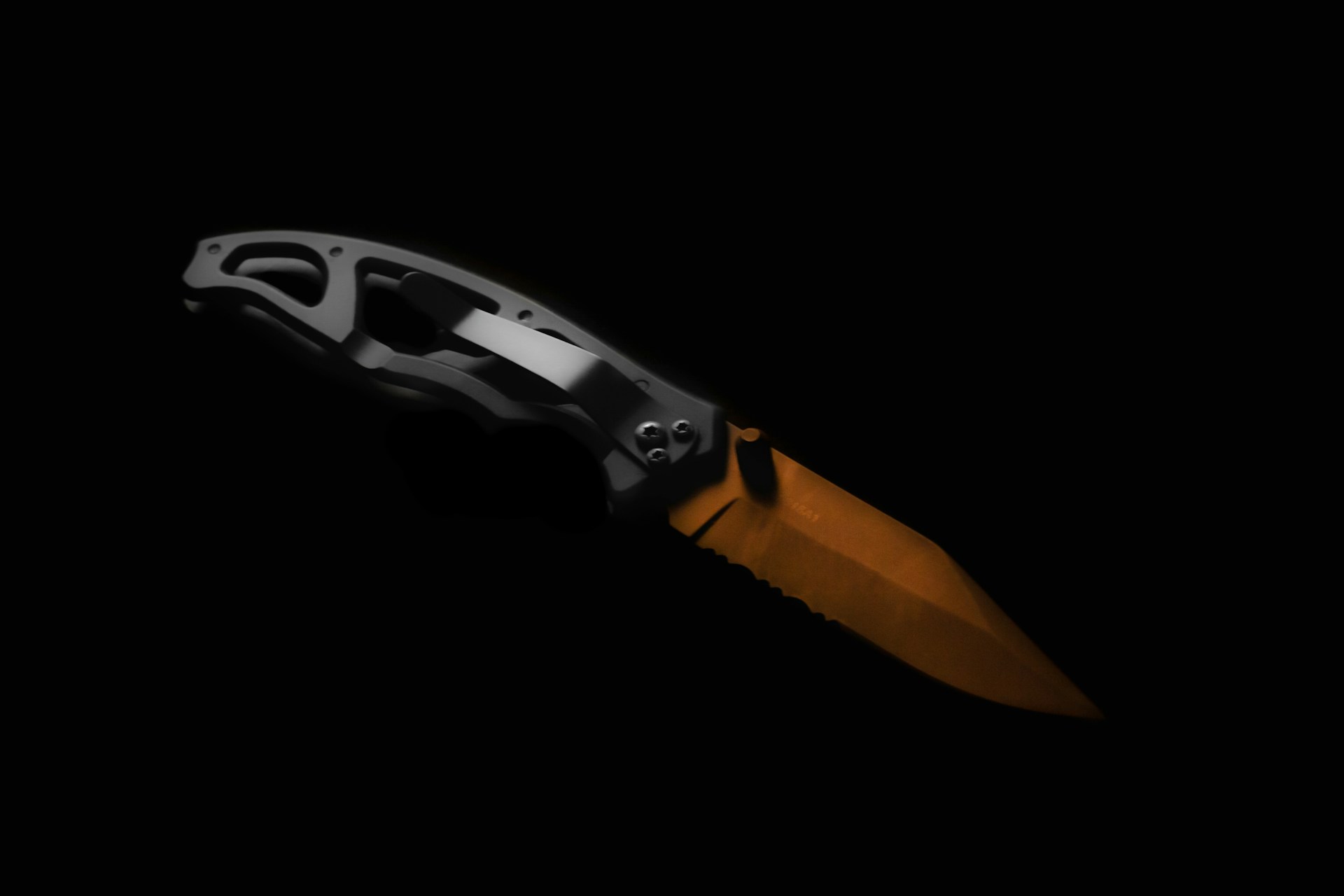
How to Start a Knife Collection: Choosing Your First Pieces and Building From There

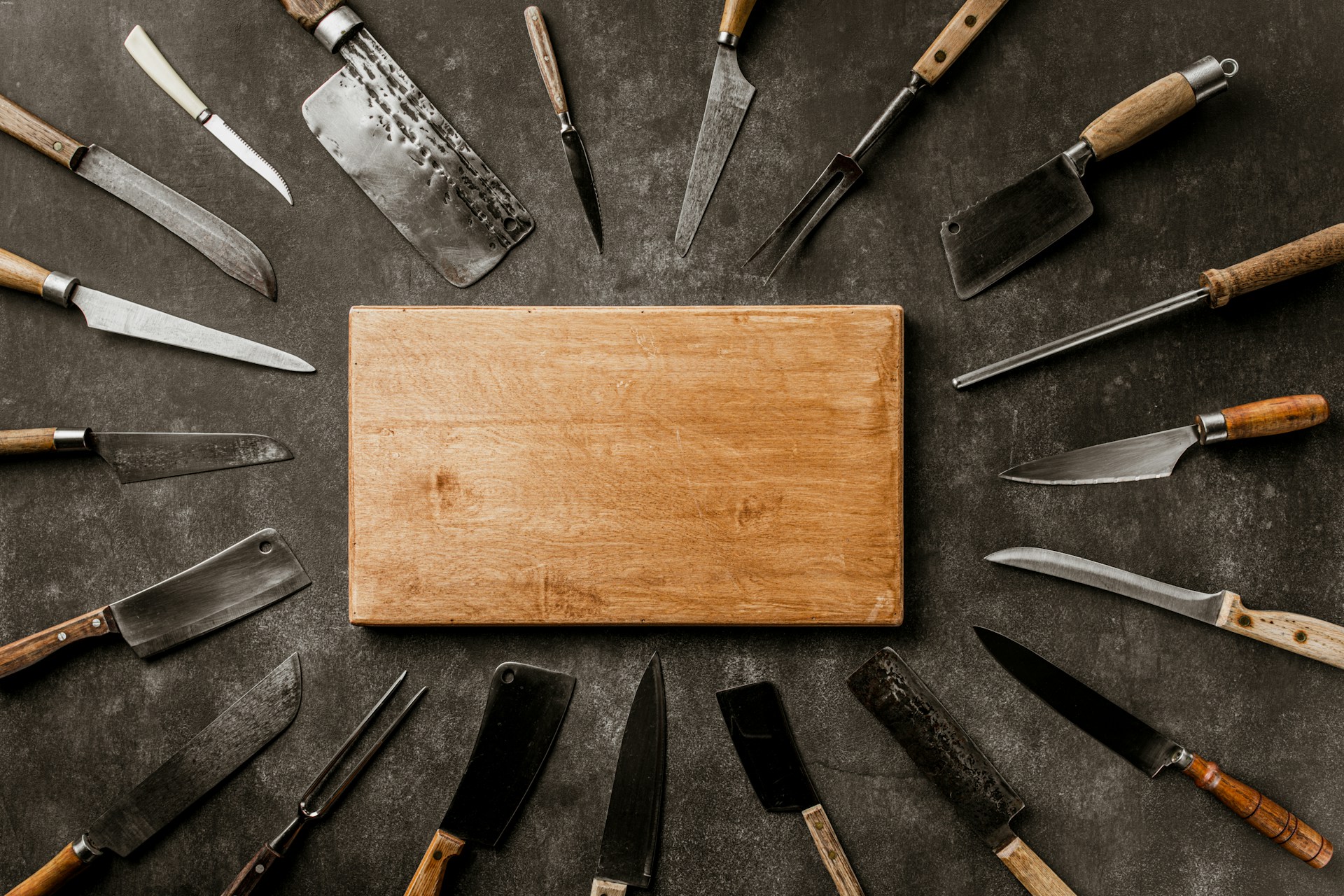
Most new collectors face the same question: pick a theme first, or just buy what you like? Choosing a focus early keeps your first purchases from becoming a random pile of unrelated blades.
This guide covers how to start a knife collection step by step: choosing a theme, setting a budget, buying your first few knives, spotting quality, and keeping the records that protect a collection’s value.
Choose a Theme for Your Knife Collection
A focused collection is easier to build and more satisfying to own. When every knife connects to the last one, each purchase teaches you something.
Common themes include:
- A brand: for example, all Benchmade or all Microtech, to see how one company’s designs evolve.
- A mechanism: frame locks, liner locks, automatics, or OTFs, to feel how hardware changes the experience.
- A maker: a single custom or mid-tech maker whose work you admire.
- A steel: the same shape in different steels, to learn how alloys sharpen, hold an edge, and age.
- A region: American-made knives, for example, or Japanese and European makers.
None of these is better than the others. Pick the one you’ll still find interesting in five years.
Decide Whether You Want Users, Display Pieces, or Both
Decide early whether your knives will be carried, displayed, or both. A knife you carry daily needs a steel and lock suited to real use. A shelf piece can prioritize finish, materials, and maker reputation.
Many collectors split the difference with a “user” in the pocket and a “safe queen” that stays in its box.
Set a Budget and a Rule for Your Next Purchase
Set a per-knife budget and one simple rule for what you’ll buy next, then stick to both. Going slow gives you time to research and wait for the right piece.
Good starter rules:
- Only buy knives that fit your current theme.
- Wait two weeks before any purchase over a set amount.
- Handle a model in person before buying a higher-priced version.
Treat collecting as a hobby, not an investment. Prices on specific models rise and fall, and nobody can promise future value.
Which Knives Should You Buy First?
Your first knife should be a well-documented production model that teaches you the basics without a big financial commitment. Production knives are built to consistent specs, which makes them a low-risk way to learn what you like.
A folding knife built for everyday carry (EDC) is a practical start. Folders cover a wide range of lock types and steels at manageable prices.
Start With an Accessible Production Knife
Look for a long-running design with a track record. The Buck 110 Folding Hunter is a long-running classic, and Buck offers it in several versions, including one with an S35VN blade.
Benchmade and Kershaw also make production folders across a wide price range. That lets you compare fit and finish between brands before committing to expensive pieces.
Add a Different Design That Teaches You Something New
Your second or third knife should differ from your first in a meaningful way, not just in color. If you started with a liner lock drop point, try a frame lock, a different blade shape, or a different mechanism.
Microtech is a common next step for collectors interested in automatics and OTFs. Those mechanisms work on a completely different principle than a manual folder and are worth handling even if you don’t buy one yet.
Wait on Custom and High-End Pieces Until You Know Your Taste
Hold off on high-end pieces until you know what grip, steel, and lock you prefer. Chris Reeve Knives and Medford Knife and Tool are two names collectors often work up to.
The Chris Reeve Sebenza 31, for example, uses 6AL4V titanium handles and the Reeve Integral Lock. It comes with a stonewashed CPM MagnaCut or CPM S45VN blade, depending on availability, according to Chris Reeve Knives. Medford builds its knives in Phoenix, Arizona. These pieces reward buyers who already know what they want.
How Can You Spot Quality Before You Buy?
You spot quality by how a knife opens, closes, locks, and sits in your hand, not by reading the spec sheet alone. Two knives with similar specs can feel very different depending on how carefully they were built.
Check Fit, Finish, and Mechanism Feel in Hand
Open and close the knife several times. Watch for:
- Blade play, side to side or up and down, when it’s locked open
- A smooth, even pivot with no grinding
- A lock that engages fully and the same way every time
- A clip that holds securely, and a handle with no hot spots in a normal grip
- A centered blade when the knife is closed
Understand Blade Steel and Handle Material Trade-Offs
Every blade steel balances toughness, edge retention, and corrosion resistance differently, and none maxes out all three. In general, a steel tuned for long edge life gives up some toughness, and a very tough steel needs sharpening more often.
Handle materials have trade-offs too:
- Titanium: strong, light, and corrosion-resistant
- G10: tough and grippy
- Natural materials like wood or bone: need more care to avoid drying or cracking
Check Condition, Original Parts, and Documentation
For pre-owned or discontinued knives, check for original parts, matching finishes, and included paperwork before paying. A knife missing its original clip, box, or hardware is usually worth less to a serious collector, even if it works fine.
Limited editions are especially sensitive to this, since a swapped part is hard to spot without a documented original to compare against.
Where Should You Research and Buy Each Piece?
Research every knife against the manufacturer’s own specs before you pay, especially anything sold as rare or limited. Confirm the steel, dimensions, and handle material match what the listing claims.
Handle Knives at a Show or Store
Nothing replaces holding knives side by side. Blade Show in Atlanta, held each June, brings manufacturers and custom makers together in one place. A knife shop gives you the same hands-on comparison without the trip, plus staff who can answer questions about a specific model.
Check Authenticity Before You Buy
Counterfeits are a real problem in the secondary market. Benchmade’s guide to spotting counterfeits warns that heavily discounted knives from online marketplaces or unauthorized resellers can often be fake. It also lists loose or rattling hardware, sloppy grinds, incorrect logos, and packaging that feels off as warning signs.
When buying pre-owned knives, buy from a seller who inspects what they sell and will answer questions about condition.
Check the Law for Your State and City
Knife laws vary by state and city. Rules can cover carry method, blade length, and mechanism type, especially for automatics, OTFs, and butterfly knives. Check the current statutes and local ordinances where you live before buying or carrying. This is general information, not legal advice.
How Should You Record, Store, and Display Your Knives?
Keep a simple record for every knife: the box, any paperwork, a few photos, and the price, date, and seller. That record helps with warranty claims, authenticity questions, and resale later.
Keep Boxes, Paperwork, Photos, and Purchase Records
Save every box and card, since both affect how complete a knife looks to another collector. Photograph each knife when it arrives, flaws included. A basic spreadsheet with date, price, and source is enough for most collections.
Protect Your Knives in Storage
Keep knives dry and avoid humidity swings, since moisture drives rust on steel and tarnish on metal hardware. The National Park Service’s museum guidance on metal objects advises keeping relative humidity in metal collections as low as possible. It also warns that salts and oils from your skin can etch metals, so wipe blades after handling and keep a light coat of oil on carbon steel.
To pick cases and shelves as your collection grows, see the shop’s guide to choosing a knife display case for collectors.
Frequently Asked Questions
How many knives should a beginner start a collection with?
Three to five knives is a comfortable start. That’s enough to compare a couple of lock types, steels, and brands without spending heavily before you know your taste. Many collectors buy one at a time and wait until they’ve carried or studied each knife before adding the next.
What knives are worth collecting?
The knives worth collecting are the ones that fit your theme and show real craftsmanship: clean grinds, a centered blade, a solid lock, and quality materials. Popularity alone is a weak reason to buy. A knife you understand and enjoy will keep its place in your collection longer than a trend.
Is knife collecting a good investment?
Knife collecting works best as a hobby, not an investment plan. Some limited and discontinued models rise in price, while others fall, and no one can promise future value. Buy knives you genuinely want to own, and keep boxes and paperwork so any value they do hold is protected.
Should I buy new or used knives first?
New production knives are usually the safer start, because the specs are easy to confirm and the warranty is intact. Pre-owned and vintage knives can be great value once you know how to check for original parts, wear, and authenticity, which is easier after you’ve handled a few new ones.
Do you need a license to collect knives?
In most places, you don’t need a license to own a knife collection. Carry rules, mechanism restrictions, and blade-length limits do vary by state and city, especially for automatics and butterfly knives. Check your state’s current statutes and local ordinances before buying or carrying. This is general information, not legal advice.
Come See It In Store
The fastest way to find your collecting taste is to hold a few different knives at the counter. Stop by Sharp Things OKC at 6610 N May Ave to compare brands, locks, and steels side by side, or contact the shop with questions about a specific piece.
Ordering online? Orders placed before 3 pm usually ship the same day.