Best Non-Lethal Self-Defense Weapons for EDC: What Works

Carrying something for protection does not mean carrying a knife or a gun. The best non-lethal self-defense weapons for EDC are the ones you will actually have on you when something goes wrong, not the ones sitting in a drawer at home. Pepper spray, stun devices, personal alarms, and tactical flashlights each solve a different problem, and none of them work if they stay in your junk drawer.
This guide breaks down what each tool actually does, where it falls short, and how to match one to your daily routine. The right choice depends less on stopping power and more on whether you will carry it, reach it fast, and use it without hesitation. Runners, students, commuters, and parents all have different needs, and the gear should follow the routine, not the other way around.
Legal rules for these devices vary by state and even city, so verify local law before you order anything. Once you know what is legal where you live, the next step is figuring out which category fits your hands, your bag, and your daily route.
Pepper Spray and Gel for Everyday Carry
Pepper spray remains the most carried non-lethal defense tool in the country because it is small, affordable, and legal almost everywhere. It works by causing intense burning and temporary swelling in the eyes and airway, giving you time to get away.
Why Pepper Spray Is the Default EDC Choice
Pepper spray earns its spot as the default pick because it needs no charging, no training class, and almost no upkeep. A canister the size of a lipstick tube fits in a pocket, purse pocket, or keychain clip without adding noticeable weight.
Most formulas use oleoresin capsicum (OC), measured in a percentage like 1.33% major capsaicinoids, which affects how intense the reaction feels on contact. Brands like SABRE dominate this space because their formulas are lab-tested for batch-to-batch consistency.
The tradeoff is wind and distance. Spray can drift back toward you in gusty conditions, which is the exact problem the next format was built to solve.
Pepper Gel vs. Spray: Which Fits Your Routine?
Pepper gel sticks to a target’s face and clothing instead of misting into the air, reducing wind blowback and self-contamination. It works better outdoors, in cars, or in tight spaces like hallways and elevators where drift is a real risk.
Traditional spray disperses in a wider cone and covers more area, which helps if you are dealing with more than one person or an animal. Gel demands slightly better aim since the stream is narrower and more direct.
- Choose gel if you spend time outdoors, in vehicles, or in enclosed spaces like stairwells and parking garages.
- Choose spray if you want wider coverage and are comfortable aiming a fan-pattern stream.
- Choose foam as a middle option; it clings like gel but sprays in a broader burst.
Once you pick a format, the next decision comes down to how far it reaches and how many bursts you actually get before it runs dry.
What Range, Capacity, and Safety Features Matter?
Range and shot count decide whether you get one real chance or several. Many gel formulas are rated for roughly 12 to 14 feet of range, giving you standoff distance before a threat closes in.
Capacity matters more than most first-time buyers realize. A small keychain unit might only offer five to ten one-second bursts, while a belt-clip canister can offer double that.
Here is what a knowledgeable buyer checks before purchase:
- Safety flip cap or trigger guard to prevent accidental discharge in a bag or pocket.
- UV marking dye included in some formulas, which helps identify an attacker later, a detail most first-time buyers never notice.
- Expiration date stamped on the canister, since OC potency fades over time.
- Some brands sell a practice unit separately so you can test your grip and aim without wasting the real thing.
A canister that works perfectly on the shelf still needs a fast, confident hand to use under stress, which is where stun devices and alarms come in.
Stun Devices, Personal Alarms, and Tactical Flashlights
Stun devices, alarms, and flashlights each serve a narrower purpose than pepper spray, and knowing which one fits your situation prevents you from buying the wrong tool.
When Does a Stun Device Make Sense?
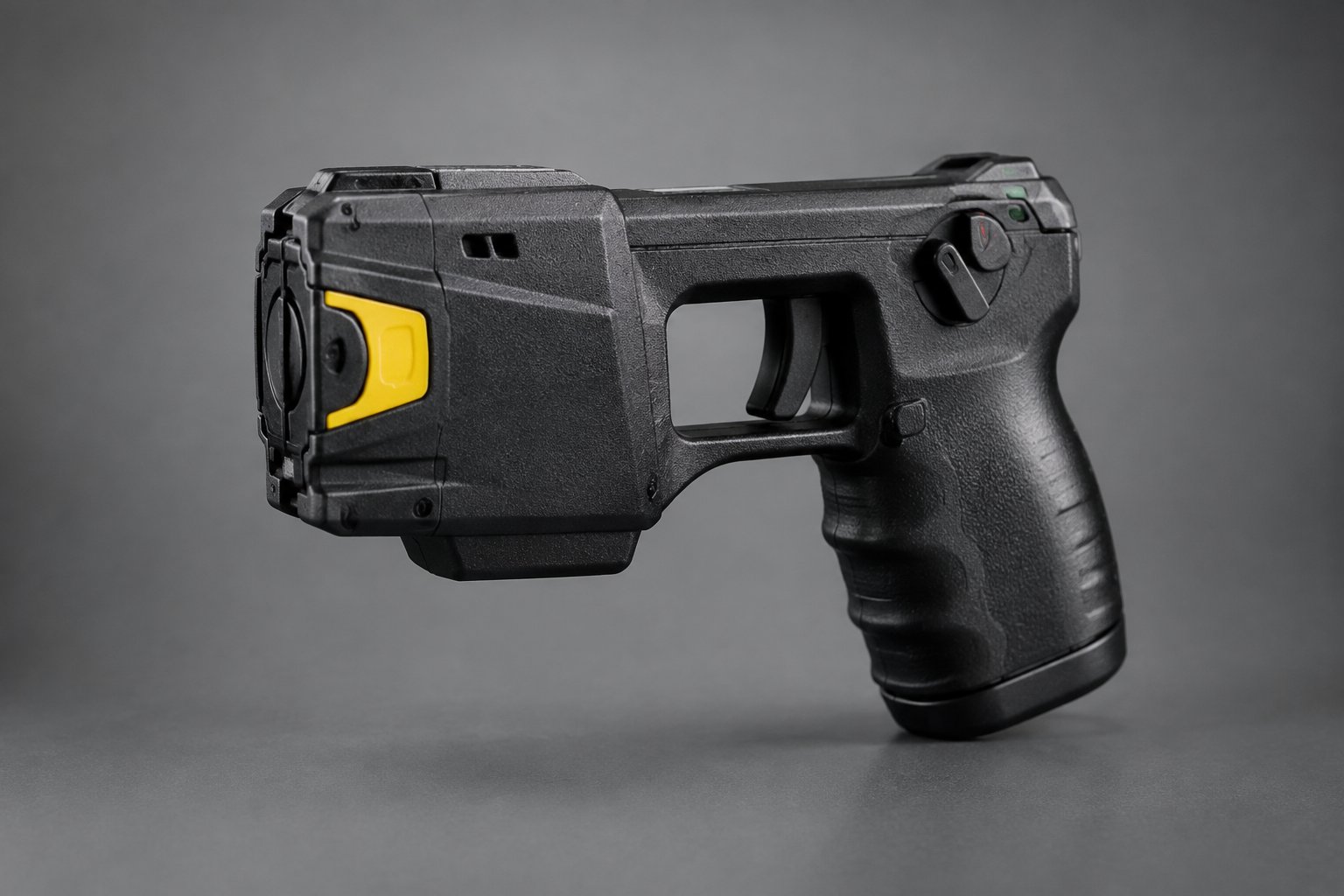
A stun device makes sense when you want a non-chemical option that will not drift in the wind or affect bystanders nearby. Contact stun guns deliver a high-voltage shock only when pressed directly against an attacker, so you need to be within arm’s reach.
That close-range requirement is the real limitation. A stun gun does not create standoff distance the way pepper spray or a projectile launcher does, so it works best as a last-resort tool rather than a first line of defense.
Rechargeable models are common now, and a collector detail worth knowing: many units include a safety disable pin that stops the device from firing if it is pulled away from you during a struggle. That single feature has ended more than one bad situation for the person carrying it.
How Personal Alarms Create an Opportunity to Leave
A personal alarm works by drawing attention, not by causing pain, and that attention is often enough to make an attacker back off. Pulling a pin or pressing a button triggers a siren loud enough to be heard from a distance, which disrupts an attacker’s plan to isolate you unnoticed.
Alarms face few legal restrictions in nearly any state, making them the easiest tool on this list to add to a keychain, backpack zipper, or bag strap. They also require zero training, which matters for anyone uneasy about carrying a more aggressive tool.
The limitation is obvious: an alarm does not stop physical contact by itself. It buys you seconds and outside attention, which only helps if you use those seconds to move toward people, light, or a locked door.
Can a Tactical Flashlight Be a Useful Defense Tool?
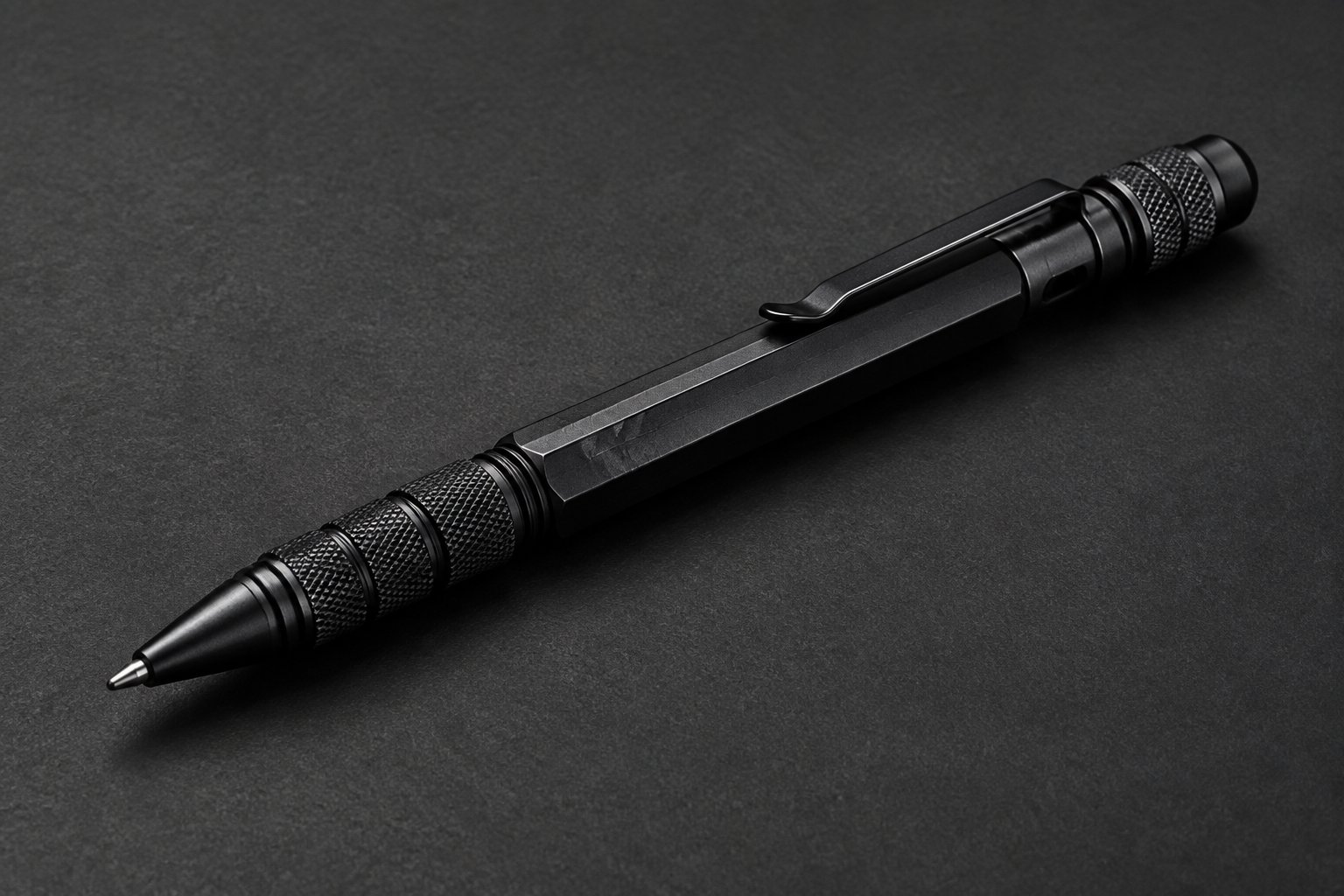
A bright tactical flashlight disorients an attacker and doubles as a practical everyday tool that never looks like a weapon. A high-lumen strobe function, common on compact EDC lights, can temporarily impair night vision at close range, buying a second or two to create distance.
Flashlights also carry zero legal restrictions anywhere in the country, which makes them one of the most practical options for students, commuters, or anyone who wants a defensive edge without carrying anything that reads as a weapon to security or campus staff.
The honest limitation is that a flashlight only disrupts; it does not incapacitate. Pairing one with pepper spray or an alarm covers the gap a single tool leaves open, which raises the real question: which combination actually fits your day-to-day carry?
Choose a Tool You Can Carry and Use Under Stress
The best tool on paper is worthless if it sits in a bag pocket you never open. Matching gear to your actual routine, not an idealized one, is what makes a defense tool useful in a real moment.
Best Options for Runners, Students, and Commuters
Runners need gear that stays put in motion, which points to a hand-strap pepper spray or a wrist-mounted alarm rather than anything bulky in a pocket. A canister that bounces loose during a jog is a canister you will stop carrying within a month.
Students benefit from compact, keychain-based tools since campus rules often restrict stun devices but allow spray and alarms. Commuters using public transit or walking to a parked car after dark do well with a flashlight-and-spray combination, since both fit a coat pocket without printing.
- Runners: hand-strap pepper spray, wrist alarm.
- Students: keychain pepper spray, personal alarm, checked against campus policy.
- Commuters: compact flashlight paired with a belt-clip spray canister.
- Parents with kids in tow: a personal alarm that does not require precise aim while managing a child.
Picking the tool is half the job. Where you put it, and whether you can reach it in a hurry, decides whether it helps at all.
Access, Retention, and Practice Before a Crisis
A tool buried at the bottom of a bag is functionally the same as a tool left at home. Clip-on holsters, coat pockets, and keychain placement all beat a zippered inner compartment when seconds count.
Retention also matters: a canister with a weak clip that falls off during a fast walk defeats its own purpose. Practicing the draw and activation motion, even a few times a month, builds the muscle memory that panic tends to erase.
Dry runs with an inert practice spray or a powered-down stun device teach your hand where the safety and trigger sit. That kind of rehearsal is the difference between fumbling and reacting, and it costs nothing but a few minutes.
Why Awareness and an Exit Plan Come First
No device replaces paying attention to your surroundings and having a plan to leave before a situation escalates. Every non-lethal tool on this list is designed to create an opportunity to run, not to win a prolonged fight.
Simple habits carry real weight: walking with headphones at low volume, staying in well-lit areas, and telling someone your route home all reduce risk before you ever need a tool. A device is a backup plan, not a substitute.
Once your habits and your gear are aligned, the last practical hurdle is making sure everything you carry is actually legal where you live, work, and travel.
Know the Legal Limits Before You Carry
Legal rules for non-lethal EDC gear vary enough that a tool legal in one state can be restricted or banned in the next. Checking local law before you buy saves you from an awkward conversation with campus security or a police officer.
State and Local Rules Can Differ
Pepper spray is legal in all fifty states, but a handful cap canister size or restrict OC concentration, and some cities layer on their own rules. Stun guns and TASER devices face wider variation, with certain states requiring permits and others banning private ownership outright; Hawaii’s outright ban was repealed in 2022, and Rhode Island’s ban was struck down by a federal court in 2023, both examples of how quickly this specific area of law can shift.
Assuming your home state’s rules apply everywhere you travel is a common and avoidable mistake.
Campus, Workplace, Travel, and Venue Restrictions
College campuses often ban stun devices entirely while allowing pepper spray in small quantities, and workplace policies can be stricter than city law.
Air travel adds another layer, and it’s worth getting exactly right: TSA’s own rules permit one 4 fl. oz. container of pepper spray in checked baggage, provided it has a safety mechanism to prevent accidental discharge; it’s barred from carry-on entirely.
Stun guns and TASERs follow the same pattern: prohibited in carry-on, but generally allowed in checked baggage as long as the device can’t accidentally discharge, so they can fly, just not in the bag you keep with you. Always confirm your specific airline’s policy, since some carriers restrict self-defense sprays more than TSA’s baseline rule.
Concert venues, courthouses, and government buildings frequently post their own no-weapons policies that include non-lethal tools, regardless of state law. Checking a venue’s posted policy before arrival avoids confiscation and a wasted trip back to the car.
Safe Storage, Maintenance, and Replacement Checks
Storing gear in extreme heat, like a car glovebox in summer, degrades pepper spray propellant and shortens its effective range over time. A canister left in a hot car for a season may fire weaker than one stored at room temperature, even before its printed expiration date.
Stun devices need periodic charging checks since a dead battery at the wrong moment defeats the entire purpose of carrying one. Set a recurring reminder, twice a year works well, to test alarms, check flashlight batteries, and confirm spray canisters have not expired.
With the legal groundwork covered, the last piece is putting it all into one setup that matches how you move through your day.
Build an EDC Setup That Fits Your Real Routine
A workable non-lethal EDC setup pairs two tools that cover each other’s weaknesses instead of one tool doing everything. Pepper spray plus a personal alarm covers both distance and attention; a flashlight plus stun device covers disruption and close-range contact.
Layering matters more than stacking gear for its own sake. A defensive EDC setup built around real needs starts with the tool you will use first and builds outward from there.
Budget plays a role too. A basic keychain alarm costs very little, while a quality pepper gel canister and a rechargeable stun device add up quickly, so prioritize the tool that fits your most common risk first.
- Minimalist setup: pepper spray plus personal alarm, both on a keychain.
- Commuter setup: compact flashlight, belt-clip spray, alarm as backup.
- Higher-coverage setup: pepper gel, stun device, and flashlight rotated based on destination.
Testing a setup in daylight, in your own hands, tells you more than any spec sheet. Sharp Things OKC keeps pepper spray, stun devices, alarms, and a full EDC flashlight lineup in stock, so you can compare weight, activation feel, and carry format before deciding what fits your daily routine.
Frequently Asked Questions
What is the best non-lethal self-defense tool for everyday carry?
Pepper spray or gel remains the most practical choice for most people because it is legal nearly everywhere, affordable, and simple to use under stress. Pairing it with a personal alarm adds a distance-creating backup that needs no training.
Is pepper spray or pepper gel better for EDC?
Gel sticks to a target and resists wind, making it a stronger pick outdoors, in cars, or in tight spaces like elevators. Spray covers a wider area and works better if you are facing more than one person at once.
Are stun guns effective for self-defense?
Stun guns work only at contact range, since they require direct skin contact to deliver a shock, which limits them as a last-resort tool rather than a first response. TASER-style projectile devices offer standoff distance that contact stun guns cannot match.
Can I carry a personal alarm on a college campus or while traveling?
Personal alarms are legal virtually everywhere, including college campuses and on airplanes, since they contain no chemical or electrical charge. They remain one of the few non-lethal tools with almost no carry restrictions nationwide.
Are non-lethal self-defense weapons legal to carry in every state?
No single set of rules applies nationwide, and pepper spray, stun guns, and TASERs each face different restrictions depending on the state and sometimes the city. Check current local law, including recent changes like Hawaii’s 2022 repeal and Rhode Island’s 2023 court ruling, before you order.
How often should I replace pepper spray or charge a stun device?
Replace pepper spray by its printed expiration date, usually two to four years from manufacture, and sooner if it has been stored in heat. Check and charge stun device batteries on a regular schedule, since a dead unit provides zero protection when you need it most.
If you have questions about what’s legal to carry where you live or travel, contact the shop before you order.