Knife Display Case for Collectors: How to Choose One

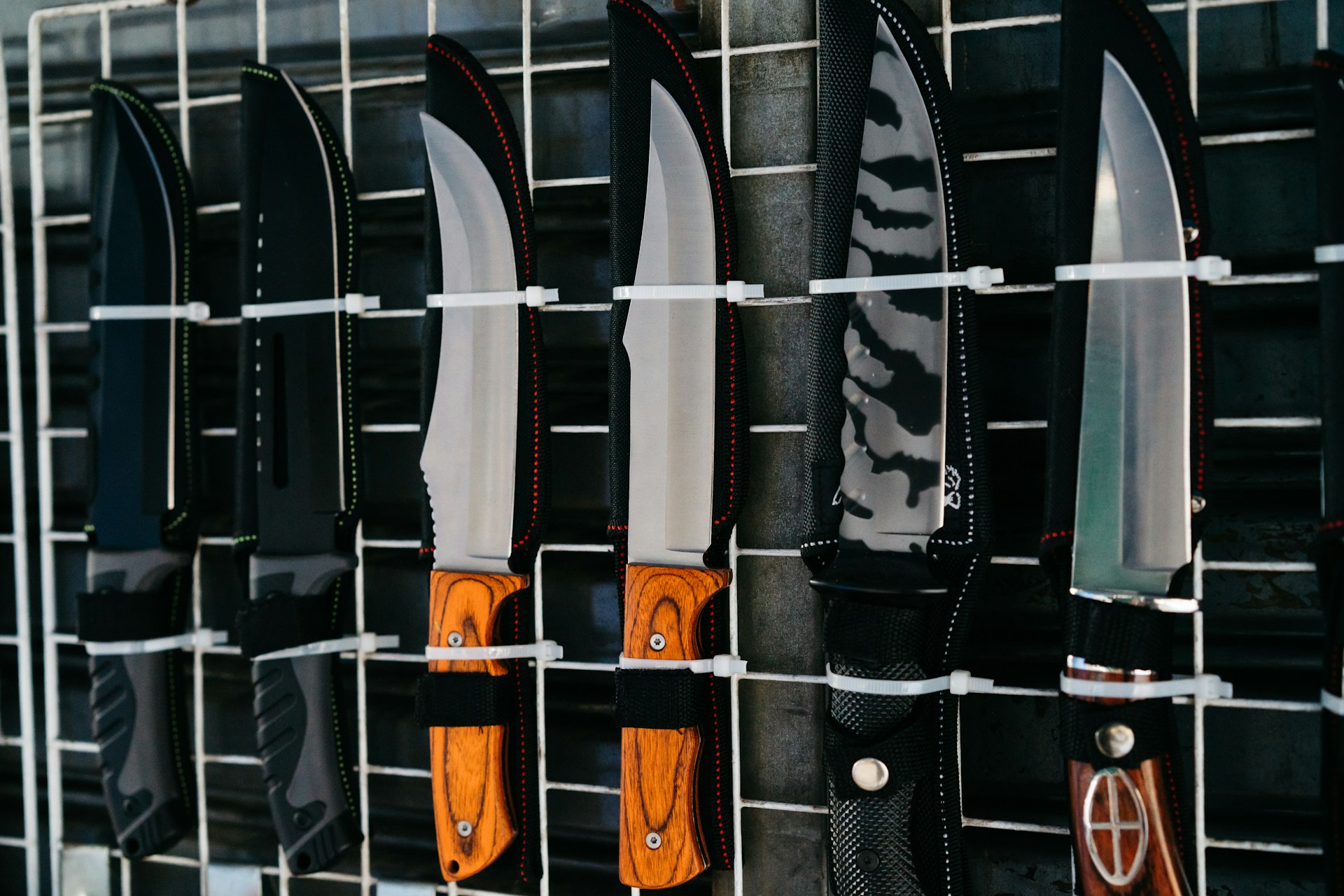
Drawers full of loose folders. A shoebox of fixed blades under the bed. A dresser top cluttered with knives that deserve better than a junk drawer. If that sounds familiar, a proper knife display case for collectors is overdue. The right case protects steel, keeps handles scratch-free, and finally lets a collection be seen instead of buried.
A collector-grade case does two jobs at once: it protects the blades from wear and shows them off without exposing them to dust or handling. Getting that balance right means paying attention to lining material, lid design, slot count, and how the case will hold up over years of use.
The sections ahead cover exactly what to check before buying one, from felt linings to drawer capacity for a collection that keeps growing.
What Separates a Collector-Grade Case From a Decorative Box?
A real display case protects the edge and finish of every knife inside it, not just the outside of the box. Decorative boxes look nice on a shelf, but many use bare wood or thin fabric that does nothing to stop scratches, oxidation, or handle wear over time.
The difference shows up in three places: lining material, lid seal, and how the interior actually holds each knife in place. A well-built case uses padded slots or pillars so blades don’t shift or clatter against each other.
Cheaper boxes rely on gravity and a flat surface, which sounds fine until a case gets bumped or moved. Fixed pillars or foam-cut slots keep each knife locked in its spot, even during a move across the room or across state lines.
- Look for individually cut slots or raised pillars, not a flat open tray.
- Check whether the lid latches or just rests on top.
- Confirm the lining is felt, microsuede, or vegan leather, not printed cardboard.
The lining and lid do most of the real protective work, so both deserve a closer look before anything else.
Soft Linings That Prevent Scratches and Scuffs
Felt and microsuede linings stop a blade’s spine or a handle’s finish from rubbing against bare wood every time you open the case. Vegan leather trim shows up on higher-end cases, like Holme & Hadfield’s Armada, which uses felt-lined drawers to keep each knife steady.
A detail most first-time buyers miss: cheap felt can shed fibers that work into pivots and lock bars over months of storage. Collectors who’ve dealt with lint fouling a smooth action tend to check lining quality by touch, not just by photos, before buying.
Denser, tightly woven felt holds its shape and sheds less than the thin flocking used in bargain cases. That single detail separates a case built to last from one that looks fine for the first few months.
Dust-Sealing Lids and Clear Acrylic Viewing Panels
A hinged acrylic lid keeps dust, moisture, and stray fingerprints off the blades while keeping the whole collection visible. The Armada, for example, uses an acrylic cover over its top display to protect its top nine knives from dust and scratches while keeping them fully visible, which is the standard collectors should expect from a sealed case.
Cheaper acrylic can yellow under direct light or scratch easily during cleaning. Thicker, UV-resistant acrylic holds its clarity longer, especially in a case that sits near a window or under a display light.
A sealing lid also reduces how often blades need to be picked up and re-oiled, since less airborne dust means less handling. That protection only matters if the case actually has enough room for the collection growing behind it.
How Much Knife Capacity Do You Need?
Capacity should match the collection today and leave room for the next dozen knives. Buying too small means outgrowing a case within a year; buying too large means empty slots and wasted shelf space.
Most collectors fall into one of two camps. Some keep a rotating group of 8 to 15 favorites they actually want to see every day. Others are building toward a serious archive, with large drawer-and-display combination cases built to hold 40 or more knives at once.
Knowing which camp fits your habits changes everything about layout, price, and where the case lives in the house.
- Under 10 knives: a compact deck-style case or small acrylic-lid box.
- 10 to 25 knives: a mid-size case with rows or tiered slots.
- 25 to 60+ knives: a large case with drawer storage plus a visible top layer.
Compact Deck Cases for a Core Group of Favorites
A compact case works best for collectors who want their top pieces visible without dedicating a whole wall to storage. These cases usually hold 6 to 15 knives, laid out in a single visible row under an acrylic or glass lid.
They suit collectors who rotate their favorites seasonally or keep a “current carry” lineup separate from the rest of the archive. A smaller case also costs less and fits on a desk, shelf, or nightstand without dominating the room.
The trade-off is obvious: once the collection grows past the slot count, something has to move to secondary storage. That’s fine for a curated shelf, but it forces choices a larger case would avoid.
Large Displays With Drawer Storage for 40 or More Knives
A large case solves the growth problem by combining a visible top display with drawer storage underneath for the rest of the collection. The Armada is a good example of this format: display pillars up top for the top nine knives, plus drawers underneath that glide on metal rails and hold another 30 to 40 knives, with an option to store up to 9 fixed blades in the top drawer instead.
This layout lets a collector showcase 10 or 12 standout pieces up top while keeping another 30 or more knives organized and protected in drawers below. It’s the format serious collectors migrate to once a single-tier case fills up within a year or two.
Drawer-based systems also make rotation easy. Swapping a knife from the drawer into the display row takes seconds, so the visible lineup can change without touching the rest of the storage.
Match the Case Layout to Your Collection
The layout should match the knives you’re storing, not a generic slot size that fits nothing well. A case built for pocket folders will crush or misalign a full-tang fixed blade, and the reverse is just as true.
Pocket knives generally need slots between 3.5 and 5 inches, while fixed blades and larger tactical folders often run past 6 inches closed. Oversize folders, like premium flippers or larger EDC blades, need wider pillar spacing so the handle doesn’t wedge against a neighboring slot.
A collector with a mixed collection, some slip joints, a few tactical folders, a couple of fixed blades, benefits most from a case with adjustable or varied slot widths rather than one uniform row.
- Slim slots (under 4 inches): traditional slip joints, small EDC folders.
- Standard slots (4 to 6 inches): most tactical and premium folders.
- Wide slots (6+ inches): fixed blades, larger bowies, oversize flippers.
Slot Dimensions for Pocket Knives, Fixed Blades, and Oversize Folders
Getting slot width wrong is the most common mistake first-time case buyers make. A case advertised as holding a large number of knives often assumes small to mid-size folders, so a rack of fixed blades won’t fit the stated count.
Collectors who mix formats should measure their largest and smallest pieces before buying, then check the case’s listed internal dimensions rather than trusting the headline capacity number alone. The Armada, for instance, measures 18.4 inches long by 10.8 inches high and wide, at about 27 pounds fully built; numbers worth comparing against a competing case’s listing line by line.
That level of detail matters more than the total slot count on the box. A case with 100 narrow slots is useless for a collection full of 5-inch tactical folders.
Visible Display Rows vs. Hidden Drawer Organization
Visible rows are for the pieces worth showing off; drawers are for everything else that still deserves protection. Most collectors want both, which is why hybrid cases have become the standard for serious display setups.
A visible row under acrylic works well for knives with striking handle scales, unique blade grinds, or sentimental value. Drawer storage suits duplicates, older EDC rotations, or knives waiting their turn in the display row.
Once you settle the layout, the next decision is what the case is made of, since that determines how well it protects what’s inside for years, not just months.
Materials, Placement, and Protection Over Time
Wood species, hardware quality, and lid construction determine whether a case lasts a decade or starts sagging within a year. Solid wood cases in walnut, sapele, or beech resist warping better than veneered MDF alternatives.
Hinges matter more than most buyers expect. Cheap stamped-metal hinges loosen with repeated opening, while brass or reinforced hinges hold their tension for years of daily use. A latch or small lock adds real value for collectors storing knives with resale value or sentimental weight.
Lid glass or acrylic thickness affects both clarity and durability. Thin acrylic scratches during routine dusting, while a heavier gauge resists wear from years of lid lifting.
- Choose a solid hardwood frame (walnut, sapele, beech) over MDF or particleboard.
- Reinforced brass or steel hinges rated for repeated daily use.
- Thick acrylic or tempered glass lid, not thin decorative plastic.
Wood, Hardware, and Lid Construction That Hold Up
Solid wood expands and contracts less dramatically than cheaper composite boards, which matters in Oklahoma’s swing between humid summers and dry winters. A well-built frame keeps its shape and keeps the lid seated correctly through seasonal changes.
Hardware quality shows up fastest at the hinge and latch points, since those parts see the most repeated stress. A magnetic latch or small brass clasp holds up better over years than a friction-fit lid that loosens with use.
Avoiding Sunlight, Moisture, and Unnecessary Blade Contact
Direct sunlight fades wood finishes and can dull certain handle materials, especially natural bone, horn, or dyed micarta over time. Storing a case away from windows or under indirect light protects both the case and the knives inside.
Moisture is the bigger enemy for carbon steel blades, which can develop surface rust even inside a sealed case if humidity swings widely. A silica gel packet tucked into a drawer compartment absorbs excess moisture without touching the blades directly.
Limiting how often you handle knives inside the case also matters. Oils from skin contact accelerate corrosion on certain steels, so collectors who rotate pieces for photos or admiration tend to wear thin gloves or wipe blades down afterward. Once the case itself is solid, the last question is how to plan for a collection that keeps expanding past whatever case started the whole thing.
Build a Display That Can Grow With Your Collection
Plan for growth before the current case fills up, not after knives start piling up again in a drawer. Collectors who buy modular or stackable cases avoid the disruption of replacing an entire setup every couple of years.
Some setups pair a small showcase case for favorites with a larger drawer-based unit for the bulk of the collection, mirroring the two-tier approach the Armada itself uses: a visible top layer above expandable drawer storage.
Wall-mounted options also open up floor and shelf space, especially for collectors running out of surface area. A mounted case turns a hallway or office wall into usable display real estate without needing another piece of furniture.
- Start with a case sized for 20 to 30% more knives than currently owned.
- Choose stackable or modular units if the collection is still actively growing.
- Consider wall mounting once flat surface space runs out.
A collection that outgrows its case every year isn’t a planning failure. It’s a sign the hobby is sticking, and building in room to grow now saves the hassle of a full case replacement later.
Frequently Asked Questions
What is the best way to store a knife collection?
The best storage combines a padded, dust-sealed case with a stable indoor spot away from direct sunlight and humidity swings. Felt or microsuede linings protect finishes, while a sealed acrylic lid keeps dust and moisture off the blades.
Should collector knives be stored open or closed in a display case?
Most collectors store folders closed to reduce spring and lock wear from sitting open for long stretches. Fixed blades are typically displayed sheathed or on a stand to protect the edge and keep the blade from resting directly on hard surfaces.
Are acrylic-lid knife display cases safe for long-term storage?
Yes, as long as the acrylic is a thicker, UV-resistant grade rather than thin decorative plastic. A quality acrylic lid seals out dust and reduces handling, which protects blade finishes over years of display.
How many knives should a collector display case hold?
Capacity should match the current collection plus room to grow, typically 20 to 30% more slots than what’s owned today. Compact cases suit 10 to 15 favorites, while large cases with drawer storage comfortably hold 40 or more knives.
Can a knife display case be mounted on a wall?
Many display cases include mounting hardware for wall installation, freeing up shelf and desk space. Wall mounting also puts a collection at eye level, which shows off blade profiles and handle details better than a flat tabletop case.
What makes a good gift for someone who collects knives?
A well-built display case ranks among the most appreciated gifts for an active collector, especially one who has outgrown drawer storage. Look for solid wood construction, a padded lining, and enough capacity to hold both current favorites and future additions.
Choosing the right case comes down to matching the lining, lid, capacity, and layout to the collection you’re actually storing. Whether you’re setting up a compact case for a handful of favorites or a large drawer-based system for a growing archive, the details covered here should make the decision straightforward.
Sharp Things OKC keeps a range of display cases, including the Armada, in stock for collectors building out their setup, with same-day shipping available for online orders placed before the 3 pm cutoff. Stop by the shop to compare case sizes and linings in person, or place an order online whenever the next case is ready to go.