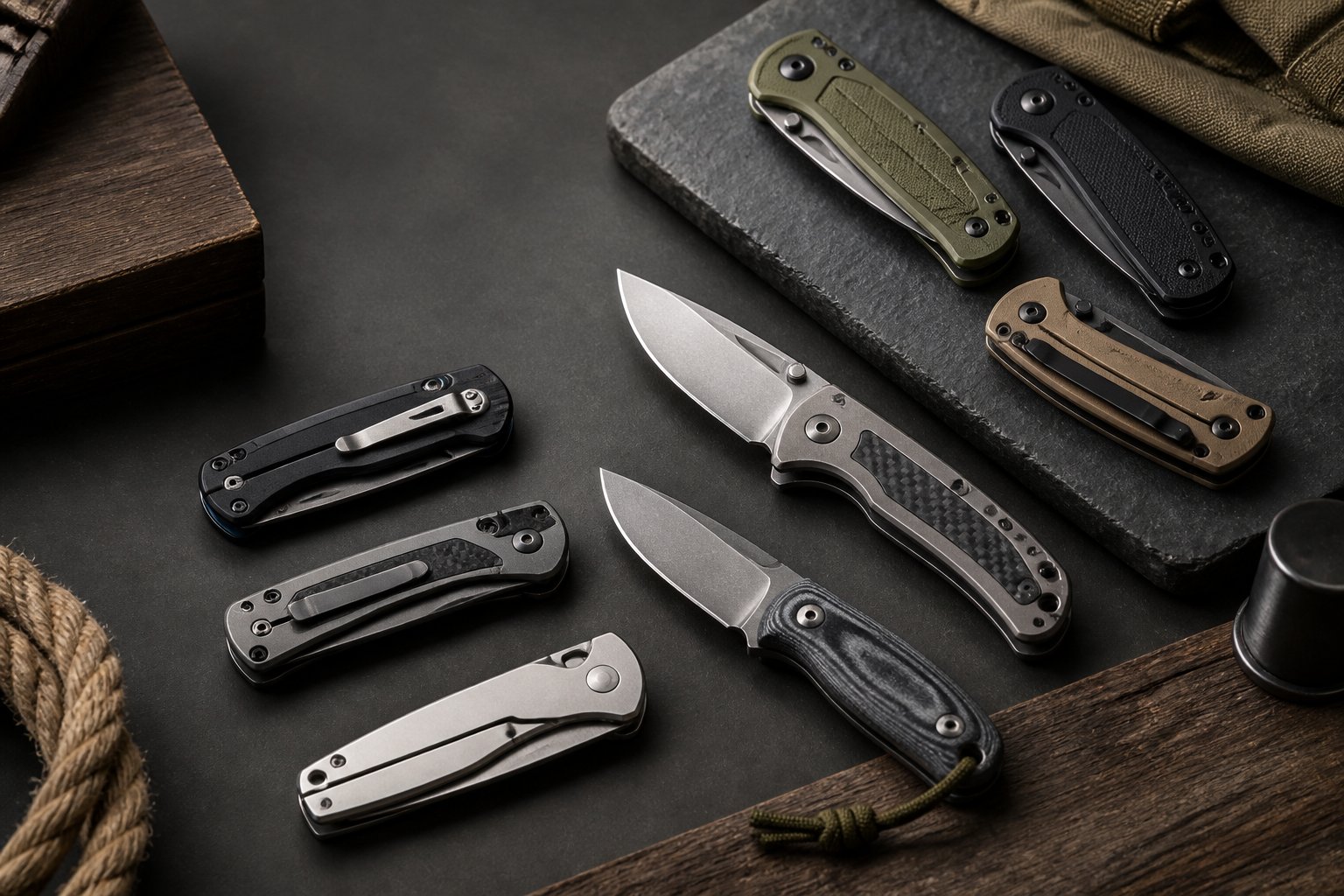
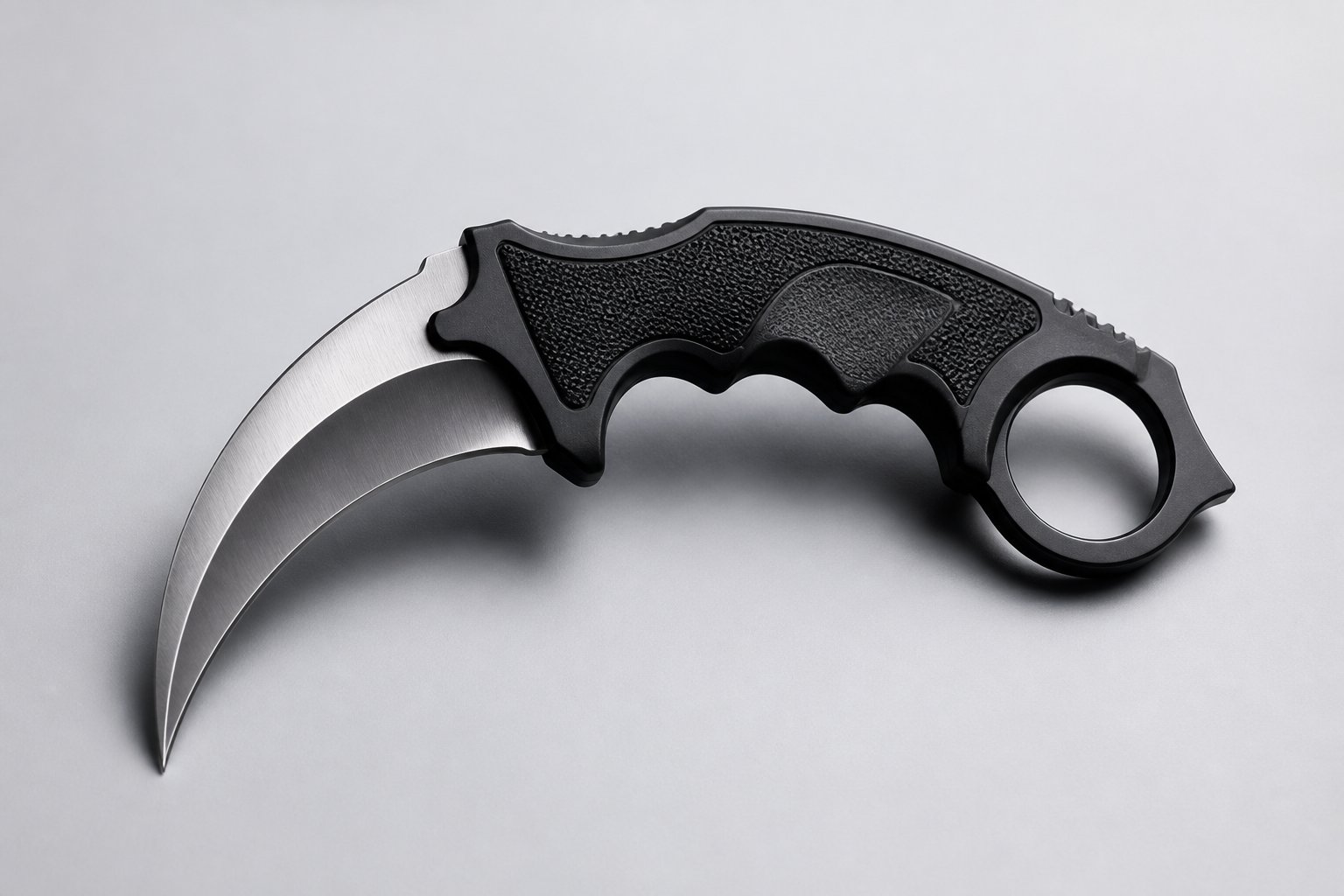
Best Automatic Knife Choices for EDC, Work, and Collection-Focused Carry

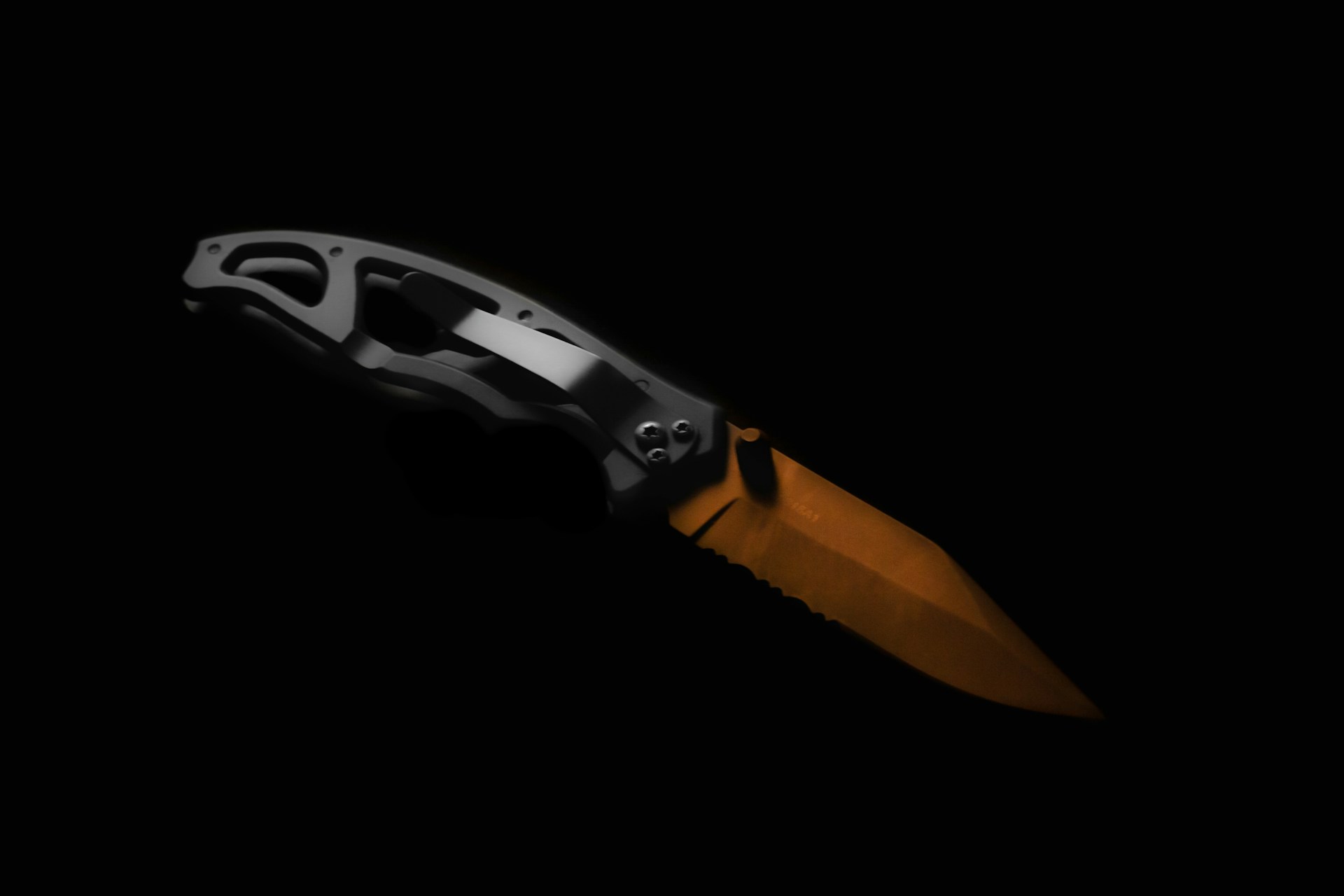
You already know you want a button. What you probably don’t know is whether a side-opening folder or an out-the-front model fits how you actually use a blade, and whether the jump from D2 to MagnaCut is worth another hundred dollars. That is where most buyers stall out, staring at a page of specs that all sound impressive.
The field is crowded, and the marketing copy rarely tells you which knife disappears in a dress-pants pocket versus which one prints like a garage-door opener. Deployment speed is the easy part. Carry comfort, safety placement, blade geometry, and steel choice are what you live with every single day.
The best automatic knife for you is the one whose mechanism, blade shape, and weight match your daily tasks, not the one with the flashiest spec sheet. Keep reading to learn how to narrow the field by action type, blade profile, steel, and budget, with specific models named at every price tier.
Match the Automatic Action to How You Carry
Automatic folders split into two camps, and the split matters more than brand loyalty. Side-opening autos swing the blade out on a pivot. OTF knives push the blade straight forward out of the handle.
Both use push-button deployment, but they wear differently in a pocket and behave differently in the hand. Pick the wrong one, and you will find yourself carrying a manual folder instead.
Side-Opening Automatic Folders and Push-Button Deployment
A side-opening automatic folder is the closest thing to a normal pocket knife with a spring. Press the button, the blade arcs open, and the same button lock holds it in place. The Benchmade 9400 Osborne is the textbook example: a 3.4-inch reverse tanto in CPM-S30V that swapped the original 940’s axis lock for a button.
These knives typically sit flatter than an OTF because no blade channel runs the length of the handle. The Benchmade CLA weighs 3.5 ounces and has a 0.11-inch blade stock, thin enough to slice well and still handle a work day.
Side-openers also tend to be easier to clean. Debris falls out of an open pivot instead of collecting inside a track.
OTF Knives, Thumb Sliders, and Expected Blade Play
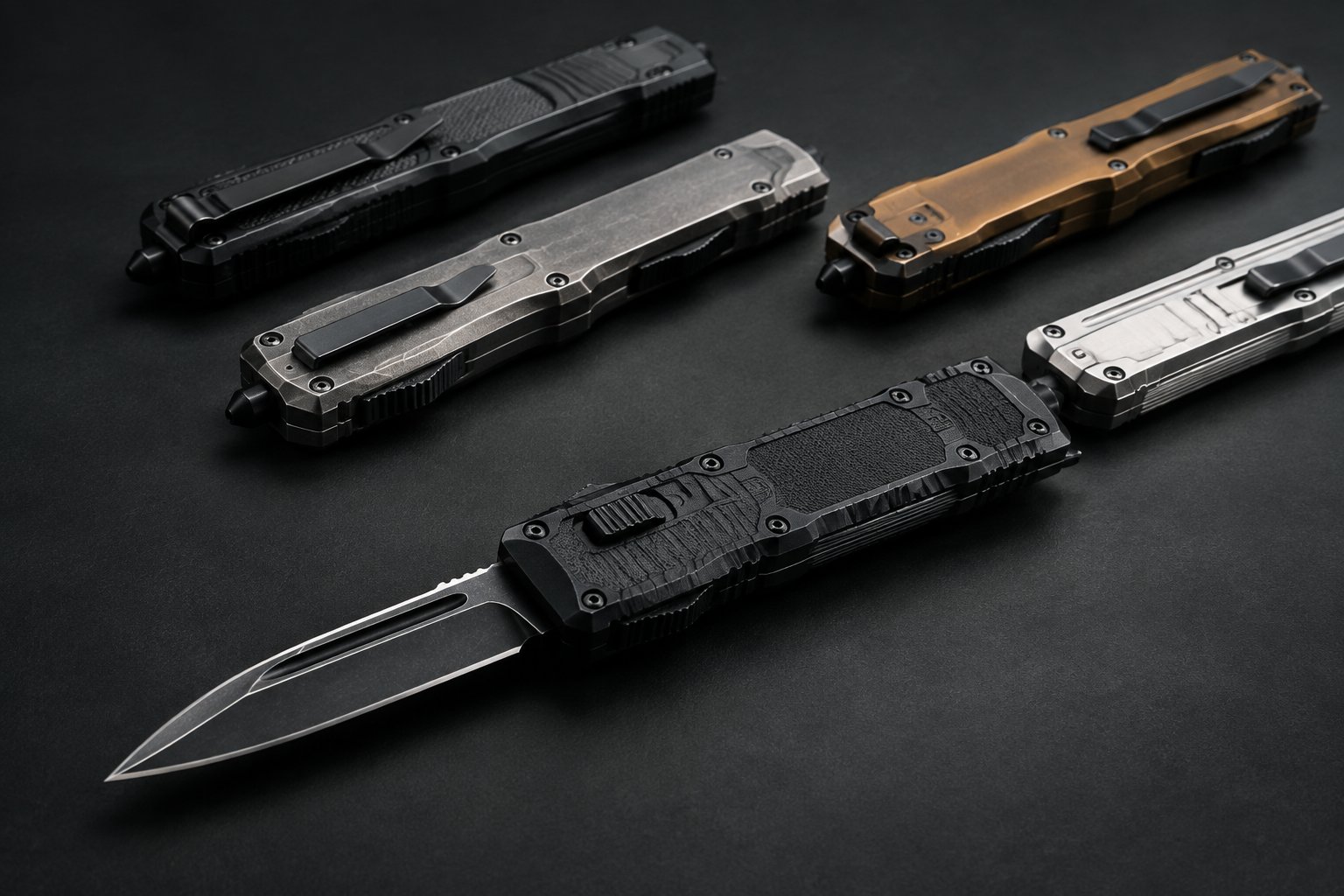
OTF knives fire the blade forward on a thumb slider, and double-action models retract on the same stroke. The Microtech Ultratech is the reference point here, and for good reason: consistent lockup, crisp firing, and a huge range of blade grinds.
Expect a small amount of blade play in almost any OTF. Side-to-side wiggle of a hair’s width is normal, not a defect, because the blade rides in a track rather than clamping on a pivot pin. If you want zero play, buy a side-opener.
OTFs shine when you need to deploy with gloves on, from an awkward angle, or without changing grip. That comes with a thicker handle and usually more weight.
Safety Switches, Safety Locks, and Pocket Confidence
Every quality automatic has a safety, and where it sits determines whether you use it. Benchmade puts a sliding safety switch on the handle spine or scale. Spyderco’s Autonomy 2 places its safety lock just under a raised deployment button.
Here is what to check before you commit:
- Button height: A recessed or shrouded button resists accidental firing in a pocket.
- Safety reachability: Can you flick it off one-handed without regripping?
- Detent feel: A vague safety is worse than none, because you will stop trusting it.
- Spring tension: Snappy is good; violent tension fatigues the lock over time.
Once the action feels right, the blade shape decides whether the knife earns its pocket space.
Choose a Blade Profile for the Jobs You Actually Do
Blade shape affects your day far more than steel does. A 3.4-inch drop point handles about 90 percent of civilian cutting tasks better than any specialized grind.
Think about your last ten cuts. Cardboard, zip ties, tape, a stubborn blister pack, maybe some cordage. That list points to a specific geometry.
Drop-Point and Clip-Point Blades for Everyday Utility
A drop-point blade gives you belly for slicing and a tip strong enough to pry a staple without snapping. The Spyderco Autonomy 2 uses a full flat-ground drop point in LC200N, and it slices like a much thinner knife.
Clip point blades trade some tip strength for finer point control. That helps when you are picking at a seam or doing detail work, and it is why the profile survives on so many traditional folding pocket knives.
Look for jimping on the thumb ramp. Three or four grooves change how much force you can apply before your grip slides.
Tanto, Reverse Tanto, and Serrated Edges for Harder Use
Tanto blades put a thick, reinforced tip forward, which is why tactical knives lean on them. You give up slicing belly, and you feel it the first time you break down a box.
Reverse tanto flips the logic. The Benchmade 9400 keeps a strong spine near the tip while preserving a usable straight edge, a smart compromise for utility carry.
A serrated edge chews through rope, webbing, and seatbelt material far past the point where a plain edge quits. Partial serrations are a decent middle ground, though a fully serrated sheepsfoot is the honest choice for rescue work. Some models add a glass breaker on the pommel, useful if that is part of your job description.
With the shape settled, the question becomes what that edge is made of.
Pick Steel and Handle Materials Without Overthinking It
Blade steel matters, but not as much as forums suggest. Edge retention, toughness, and corrosion resistance move on a triangle, and every steel gives up something.
For most carry, a well heat-treated mid-tier steel outperforms a premium steel with a lazy grind.
When MagnaCut, M390, and S30V Are Worth the Step Up
CPM MagnaCut is the standout of the last few years because it delivers high corrosion resistance without giving up toughness. If you sweat through a shirt in an Oklahoma August or work near saltwater, it is worth the money.
M390 and CPM-20CV hold an edge a long time and take a mirror polish, which is part of why collectors gravitate toward them. They are also harder to bring back on a pocket stone.
Practical guidance by use case:
- CPM-154 or 154CM: Tough, easy to sharpen, great on a thin-stock EDC auto.
- CPM-S30V or CPM S35VN: Balanced workhorses, still the value sweet spot.
- CPM MagnaCut or LC200N: Choose when rust is your real enemy.
- M390 or CPM-20CV: Long edge life, best if you own decent sharpening gear.
- CPM M4: Serious toughness and edge holding, but it will patina.
G-10, Aluminum, and Magnesium Handles in Daily Carry
G10 is the pragmatic pick. It grips when wet, shrugs off solvents, and does not dent. The tradeoff is a slightly thicker handle.
Anodized aluminum handles run thinner and cooler-looking, and 6061-T6 is the standard. They get slick with sweat and will ding, but they shave real weight off the knife.
Magnesium handles show up on premium OTF models and drop weight further. Carbon fiber and Micarta cover the middle, with Micarta improving in grip as it wears in.
Materials only pay off if the knife stays comfortable in your pocket.
Prioritize Pocket Carry, Control, and Legal Fit
A knife you leave on the dresser is a bad knife, regardless of steel. Weight, clip design, and legal comfort determine whether an automatic becomes your daily companion.
Pocket Clips, Weight, and One-Handed Access
A deep-carry pocket clip buries the handle so only a half-inch of clip shows. That single feature does more for discretion than any coating.
Check clip tension with your actual pants. Thin dress slacks need a softer clip; heavy work canvas needs more bite. If you’re left-handed, a clip that is reversible for tip-up left or right carry matters.
Weight targets that hold up in practice: under 3 ounces for an everyday carry knife you forget about, 3 to 4 ounces for an EDC knife that also works, and 5-plus ounces when you want mass behind the cut. Many buyers also favor a made-in-the-USA build for parts availability and warranty support.
Local Carry Rules and Responsible Automatic Ownership
Automatic knives, historically called switchblades, are legal to own in most states, and federal restrictions apply mainly to interstate commerce and specific carve-outs. Oklahoma removed its switchblade restrictions in 2015, which is why the OKC scene is so healthy.
Rules still vary by state and city, and by location within a state, including courthouses, schools, and airports. Blade length limits and concealment rules trip people up most. Verify your local statute before you carry, and never treat a retailer’s shipping policy as legal advice.
Once you know what you can carry, comparing actual models gets a lot easier.
Compare Proven Platforms by Budget and Use Case
Three tiers cover almost every buyer: under $100, $150 to $300, and specialized designs where the price follows the mission.
Value-Focused and Compact Automatic Options
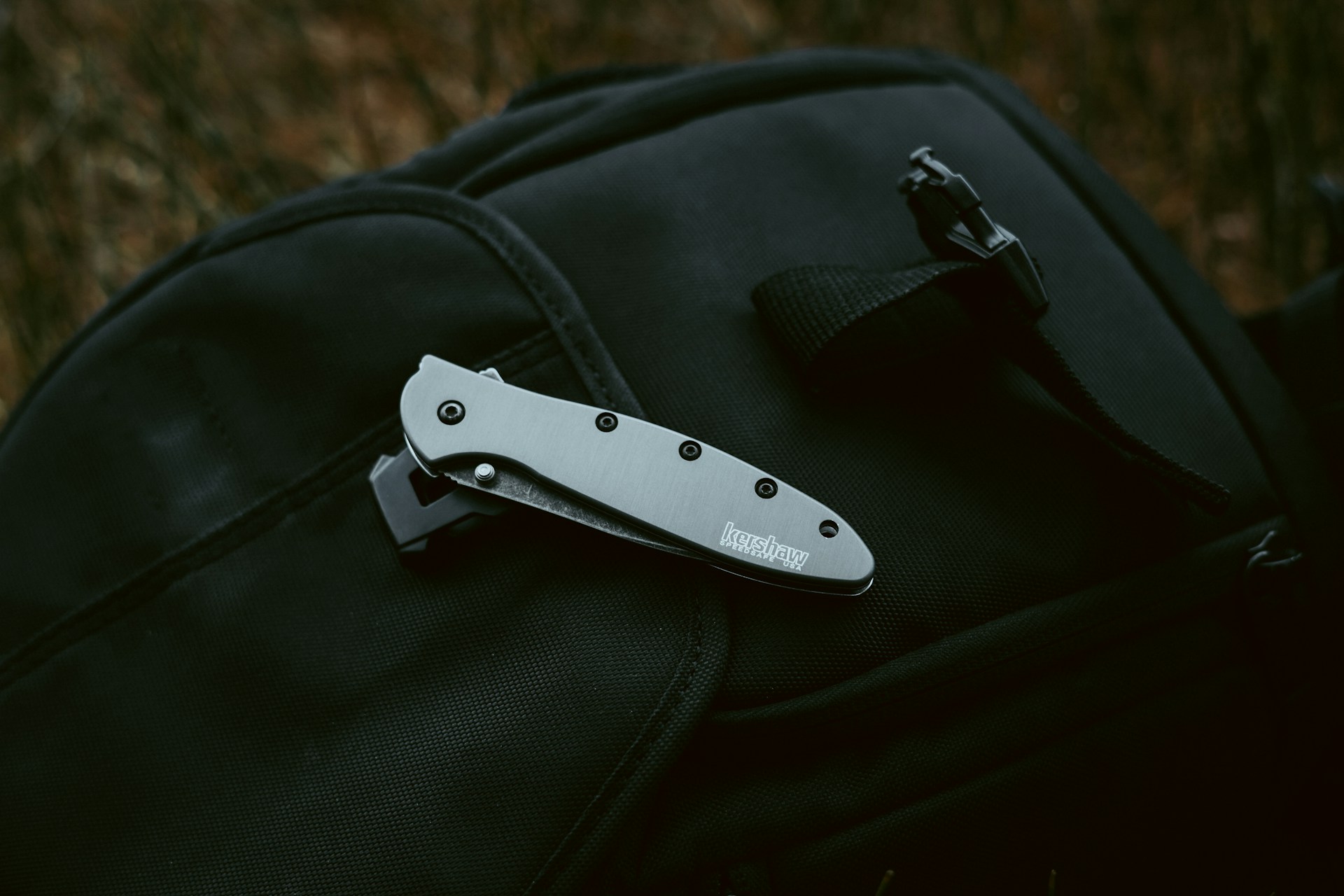
The Kershaw Launch 4 is the honest entry point. It is a small California-legal-size auto with a 1.9-inch blade, USA-made, and it fires harder than the price suggests. Larger Launch models step up to CPM-154 and aluminum scales.
Boker’s Mini Strike sits nearby with a 2.6-inch D2 drop point, a side safety, and a factory deep-carry clip. The Gerber Auto 06 is the tank of this range, heavier and built around a thumb-actuated button.
Also worth handling: the CRKT Michaca, a Philip Booth design, and the small CRKT Minnow for minimalist carry.
Premium EDC and Collector-Grade Automatics
This is where Benchmade, Microtech, and Pro-Tech live. The Benchmade CLA in 154CM gives you chamfered edges and a slim profile for around $225. The 9400 Osborne is the one to grab if you already love the 940 platform.
The Pro-Tech TR-3, or Tactical Response 3, is the gold standard for a snappy side-opening auto with a 3.5-inch blade and legendary lockup. On the OTF side, the Microtech Ultratech and Microtech LUDT anchor most collections.
Spyderco’s Autonomy 2 in LC200N runs near $200 and is the pick for marine environments.
Hard-Use and Specialized Designs
For work sites and duty use, look for thicker stock and coated blades. SOG and Zero Tolerance builds bring heft; Kershaw’s larger Launch series covers the middle.
Rescue-oriented automatics pair a serrated sheepsfoot with a glass breaker. Keep a Work Sharp system or similar on the bench, because heavy use means frequent touch-ups.
Specs get you close. Your hand closes the deal.
Find the Right Automatic With Hands-On Comparison
Nothing on a spec sheet tells you how a button feels under your thumb. Fire a Pro-Tech next to a Kershaw next to a Benchmade, and the differences are immediate.
Here is the practical method: hold three candidates, clip each one to the pocket you actually wear, and deploy every ten times. Note which button you find without looking. Note which knife you keep reaching for.
For OTF models, pay attention to slider travel and how the blade retracts. A Microtech OTF has a distinct rhythm that some buyers love, and others never adapt to. Trying before buying saves you a resale listing later.
Sharp Things OKC’s automatic knives selection spans every tier discussed here, from the Launch 4 through the Ultratech, so you can run this comparison in person. Once you know your platform, ordering online for a second color or blade finish becomes low-risk.
Frequently Asked Questions
Which Brands Make the Most Reliable Automatic Knives for Everyday Carry?
Benchmade, Pro-Tech, Microtech, and Kershaw have the longest track records for consistent springs and lockup. Pro-Tech and Benchmade dominate side-opening reliability, while Microtech leads on OTF fit and finish.
What Should I Look for in an Automatic Knife for Self-Defense?
Prioritize a lock you trust, a handle that indexes the same way every draw, and a blade you can deploy without looking. Training matters more than the knife, and defensive carry laws vary sharply by state, so verify local rules first.
Are Automatic Knives Legal for Civilians to Own and Carry in My State?
Most states allow civilian ownership, and many allow carry, but blade length limits and location restrictions differ widely. Oklahoma repealed its switchblade ban in 2015; check your own state and city statutes before carrying.
Which Blade Steel Offers the Best Value in an Automatic Knife?
CPM-154 and CPM-S30V offer strong edge retention without punishing sharpening sessions, making them the value leaders. Step up to CPM MagnaCut only if corrosion resistance is a real concern for your environment.
Is an Out-the-Front Automatic Knife Better Than a Side-Opening Model?
Each solves a different problem rather than one beating the other. OTF knives deploy from any grip angle and look fantastic doing it, while side-openers carry flatter, clean easier, and offer tighter lockup.
What Automatic Knife Did John Wick Carry in the Movies?
The films feature Microtech automatics, most notably Ultratech and Combat Troodon OTF models, which drove a huge spike in OTF interest. Handle one before buying, since the Combat Troodon is considerably larger than most people expect.
Your Next Automatic, Chosen Well
The buying decision comes down to three answers: side-opening or OTF, blade profile matched to your real tasks, and a steel you are willing to maintain. Get those right, and the price tier takes care of itself.
If you are in Oklahoma City, come hold it before you buy it. Sharp Things OKC is on N May Ave, and the staff actually knows this stuff, from a first Kershaw Launch to a Microtech you have been eyeing for a year.