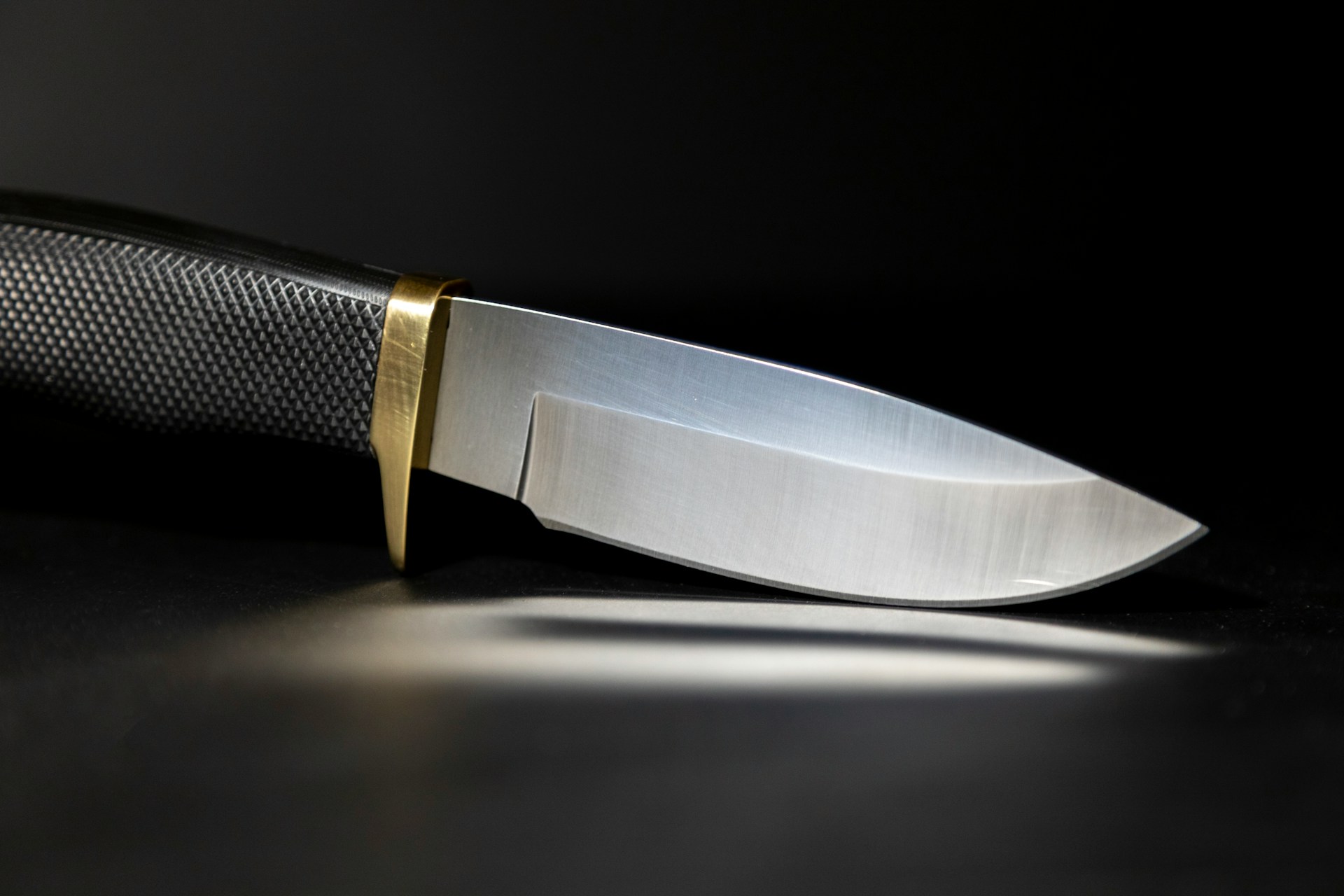
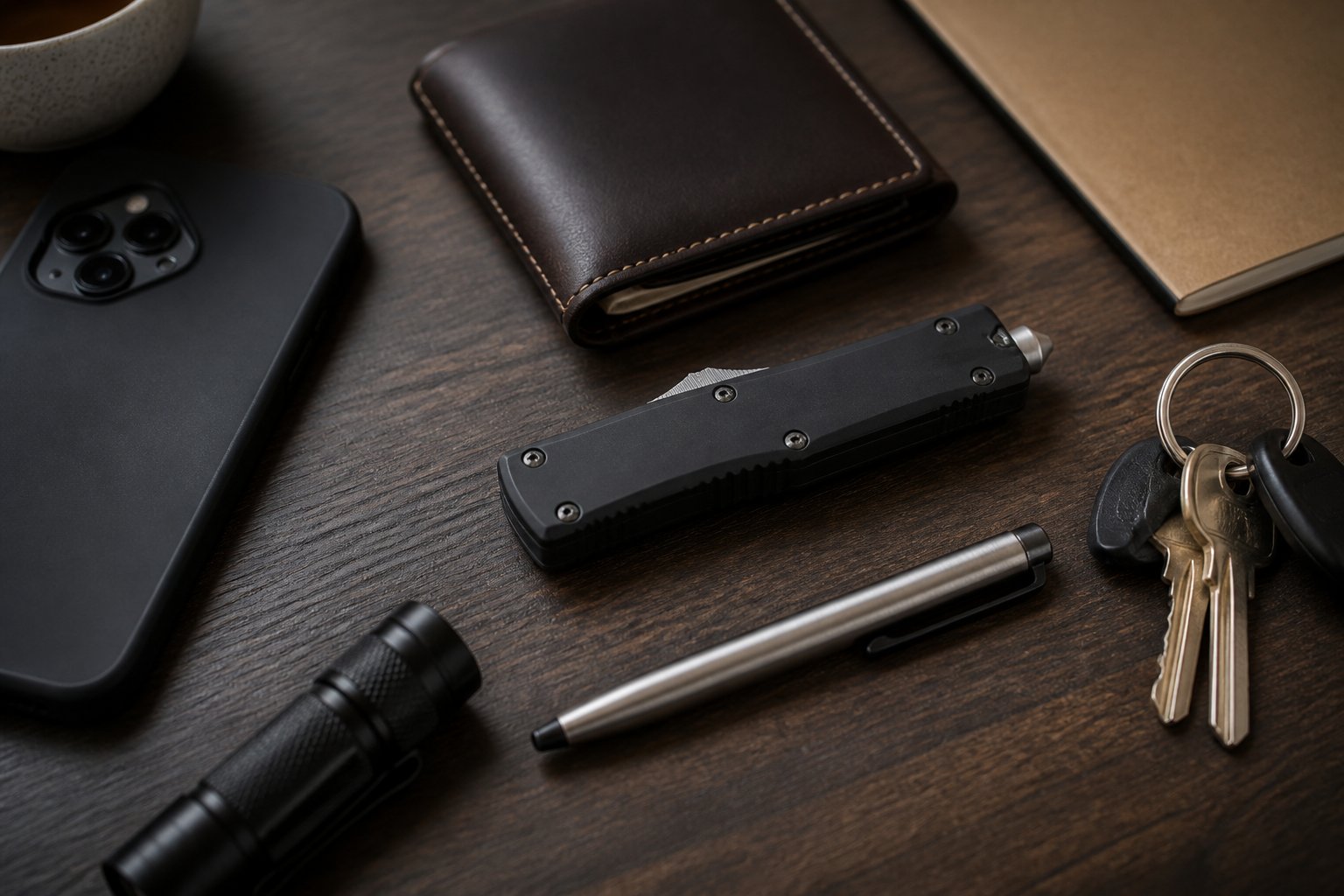
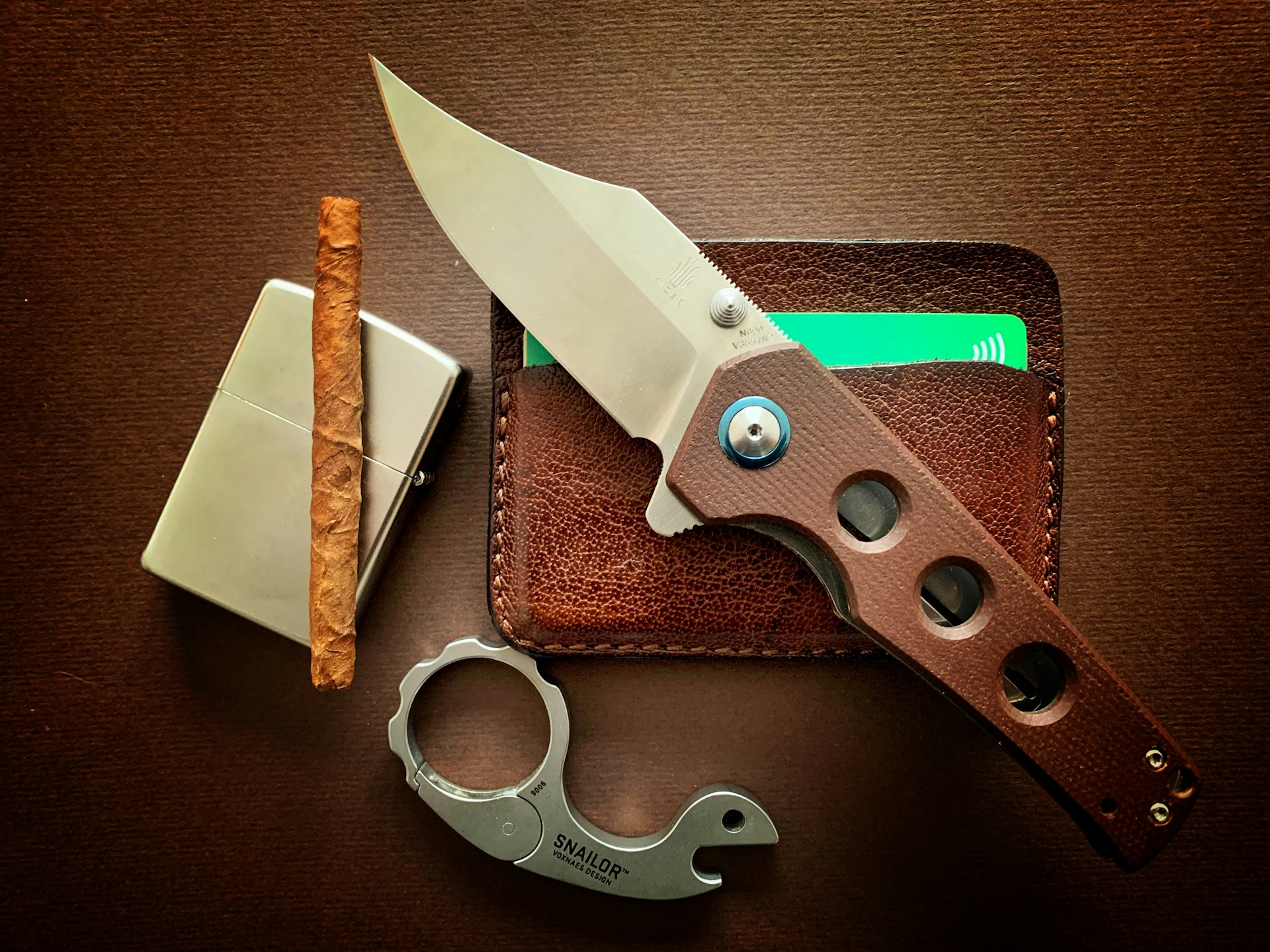
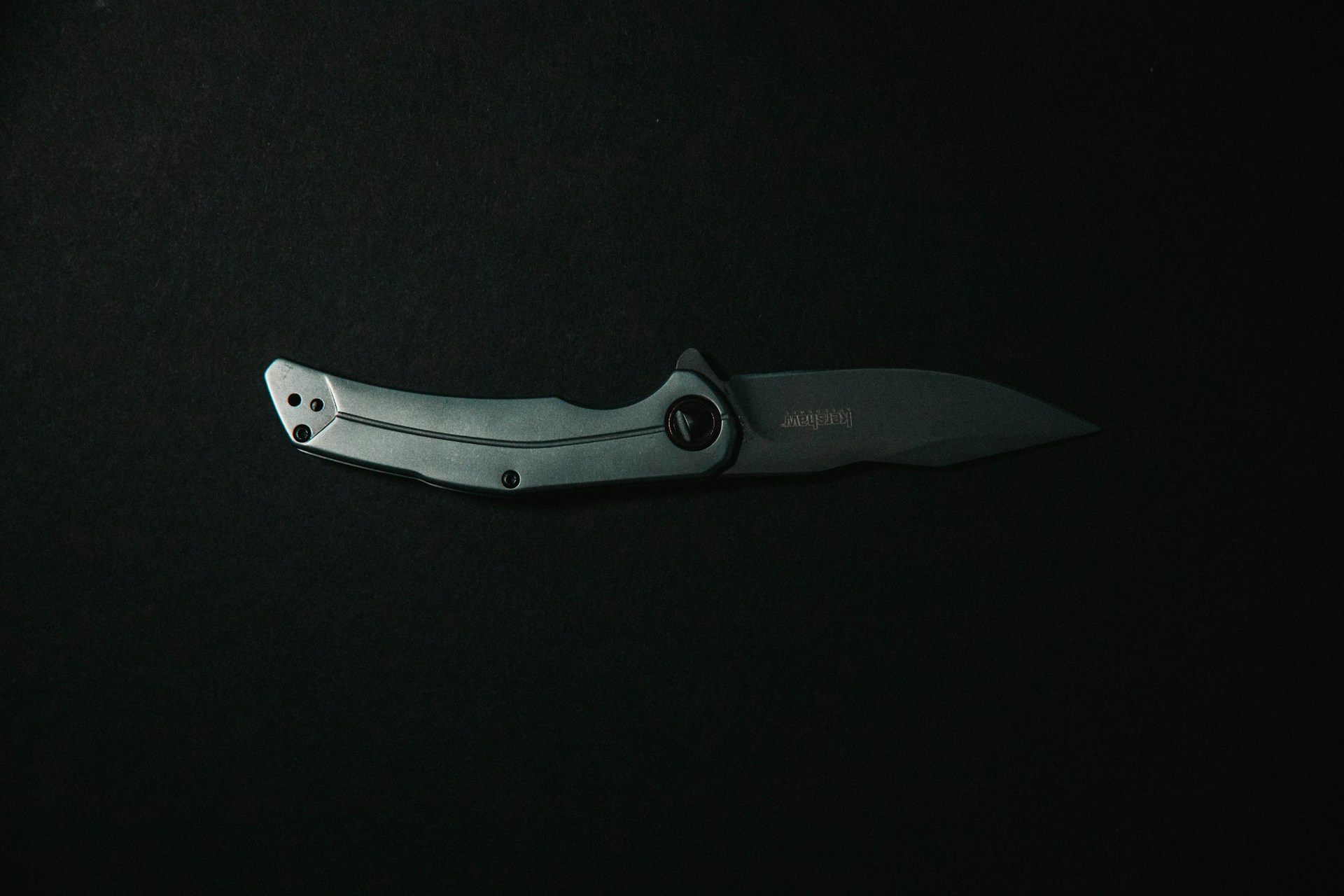
Best Budget EDC Knives Under 60 Dollars: 5 Picks

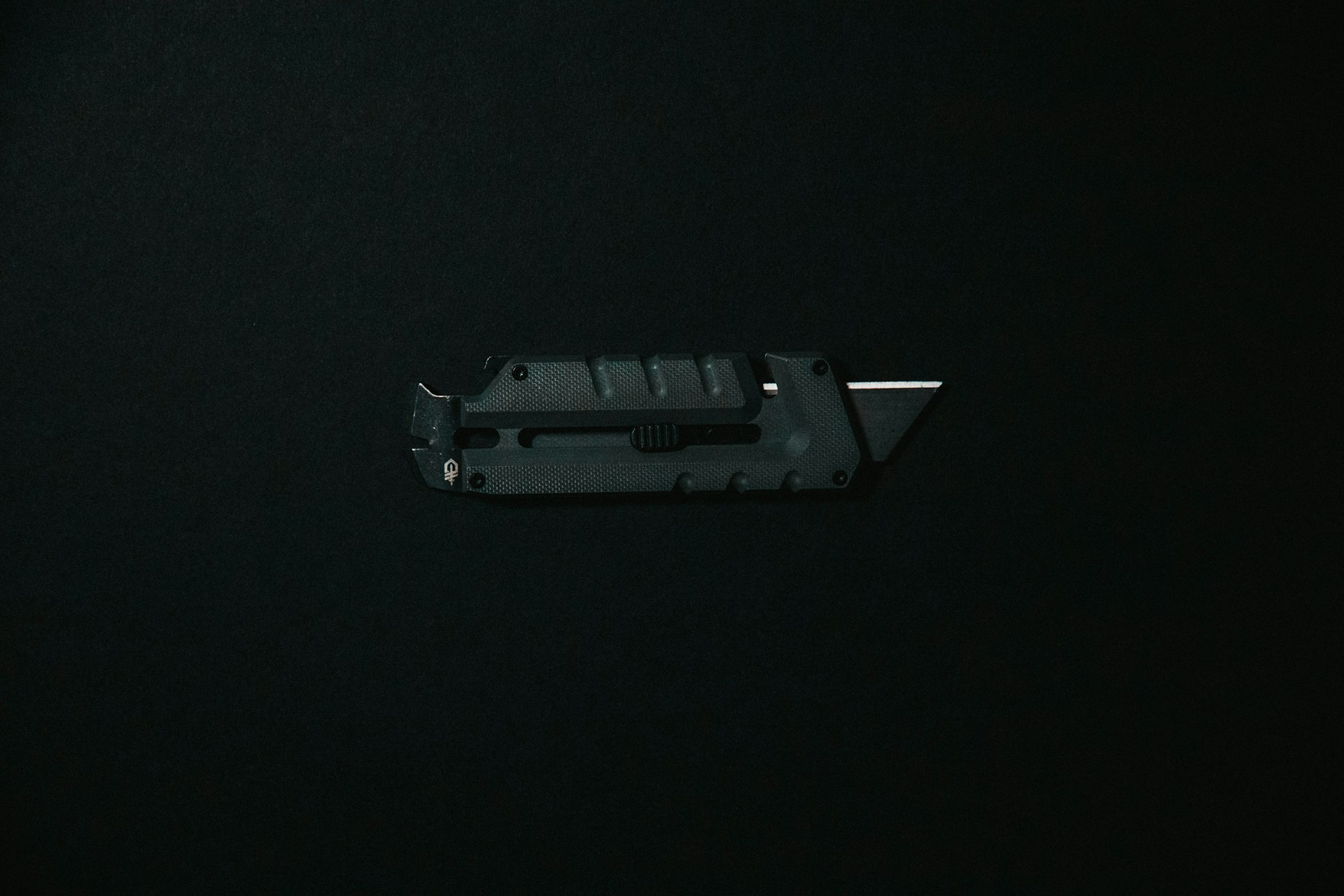
A good EDC knife does not need a three-digit price tag to earn a spot in your pocket. Plenty of buyers assume the best budget EDC knives under 60 dollars are compromise picks, but a handful of models from CIVIVI, Gerber, Kershaw, Case, and Kizer prove otherwise.
The right sub-$60 folder gets real steel, a dependable lock, and a shape that fits your hand, without the extra cost of a name on the blade.
You are about to see five specific knives worth carrying, plus the steel names, lock types, and trade-offs that separate a smart budget buy from a knife that disappoints after a month of use. By the end, you will know exactly which one fits your routine.
Five Budget Folders Worth Carrying
These five knives cover the main formats a first-time buyer actually needs: workhorse, lightweight, fast-opening, traditional, and backup. Each one sits under $60 and does its job without apology.
-
CIVIVI Elementum: A Basic Liner-Lock Workhorse
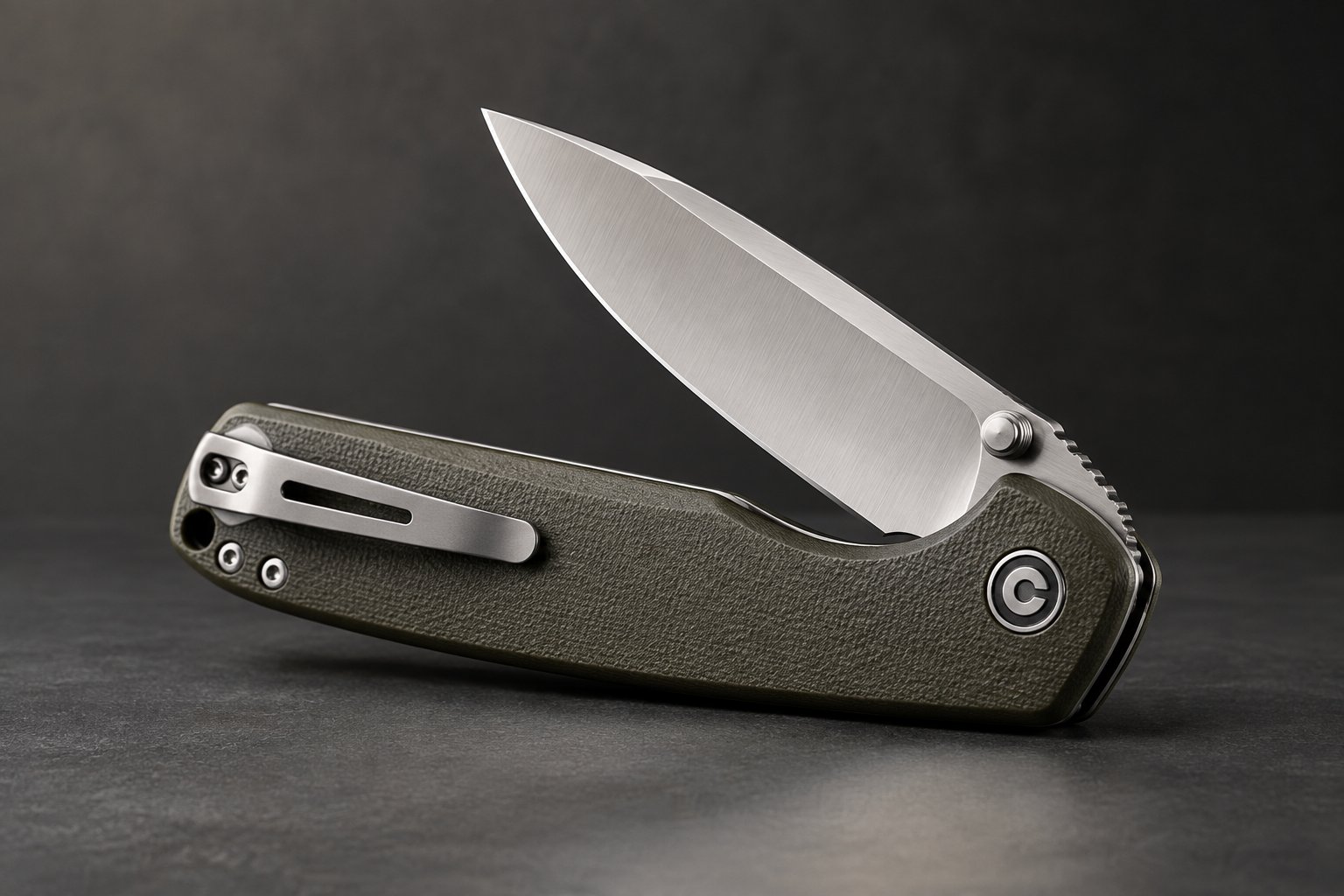
The CIVIVI Elementum is the knife most budget buyers land on first, and for good reason. It runs a D2 steel blade, a liner lock, and a flipper tab, all for a price that usually stays under $50.
The Elementum’s 2.96-inch drop-point blade handles envelopes, boxes, and food prep without strain. Handle options range from G10 to micarta, and the pivot uses a phosphor bronze washer setup that breaks in smoothly over the first few weeks of carry. CIVIVI is the budget sister brand of WE Knife Co., built under the same parent company, which is part of why the fit and finish punches above the price.
- Blade steel: D2 (58-60 HRC)
- Lock type: liner lock
- Weight: around 3.1 ounces
- Best for: daily utility cutting and first-time buyers
A liner lock like this one is simple to understand and simple to trust, which raises the next question: what happens when you want something lighter in the pocket?
-
Gerber Paraframe I: A Lightweight Skeletonized Option
The Gerber Paraframe I strips the handle down to a skeletonized steel frame, cutting weight without cutting confidence. At roughly 3 ounces, it disappears in a pocket in a way that heavier framelock knives cannot.
The blade runs 420HC steel, a softer stainless that sharpens fast on a basic stone but needs more frequent touch-ups than D2. Gerber backs the Paraframe with a frame lock built into the same steel as the handle, so no separate liner wears out. The clip-point blade shape gives a fine tip for detail work, though it trades some belly for that precision.
This is the knife you hand to someone who says they lose knives constantly, since replacing a $25 Paraframe stings far less than losing a premium folder. The next logical step up is speed: what if you want the blade open before your hand finishes the motion?
-
Kershaw Cryo: An Assisted Opener for Quick Access
The Kershaw Cryo uses SpeedSafe assisted opening, so a slight push on the flipper finishes the deployment on its own. That speed makes it a favorite for anyone who opens a knife dozens of times a day.
Built from 8Cr13MoV steel with a stonewashed finish, the Cryo trades top-tier edge retention for a lower price point and easy field sharpening. The frame lock and stainless steel handle add heft, around 4 ounces, which some carriers like for a planted feel in hand. Kershaw’s SpeedSafe mechanism relies on a torsion bar rather than a true spring, a detail most casual buyers never learn, but that explains why the action feels different from a true automatic.
Assisted opening speed is a clear upgrade for quick access, but traditional carriers often want something that skips mechanisms altogether.
-
Case Sodbuster Jr.: A Traditional Slip Joint for Simple Tasks
The Case Sodbuster Jr. carries no lock, no liner, and no assisted spring, just a slip joint that has worked for generations. It opens with a nail nick and holds the blade open through spring tension alone.
Case builds the Sodbuster Jr. from Tru-Sharp surgical steel, a stainless alloy that takes a keen edge quickly, though it doesn’t hold that edge as long as D2 under heavy use. The handle keeps weight low at just over 2 ounces, and the Skinner blade shape, with its long continuous belly, suits light cutting tasks like opening mail, trimming string, or general kitchen work better than a straight edge would.
Slip joints like this one are legal in more jurisdictions than locking folders, since many local knife laws treat non-locking blades differently. Traditional and dependable is one direction; compact and modern is another, and that leads to the last pick.
-
Kizer Original: A Compact Backup With a Button Lock
The Kizer Original uses a button lock, the same mechanism found on far pricier automatics and out-the-front knives, giving budget buyers a taste of that action for well under $60. Pressing the button releases the blade instantly.
At under 3 inches of blade and 2.61 ounces, it makes a natural backup knife or a first knife for someone with smaller hands. The 154CM steel blade and deep-carry pocket clip round out a knife that feels more expensive than its price tag suggests.
Button locks feel different from liner or frame locks because the blade locks into a chamber rather than against a leaf spring, a distinction collectors notice immediately when handling one for the first time.
Five knives, five formats, and five honest price points. The next step is matching one of these to how you actually carry a knife every day.
How to Match the Knife to Your Daily Carry
The right knife fits your pocket, your hand, and your actual tasks, not just your budget. Matching the format to your habits keeps a knife from ending up in a drawer within a month.
Full-Size Utility vs. Compact Pocket Carry
A full-size folder like the CIVIVI Elementum handles heavier cutting jobs better than a compact knife ever will. Longer blades mean more edge contact for box work, food prep, and rope.
Compact knives like the Kizer Original disappear in dress pants or gym shorts where a bulkier folder prints or feels heavy. The trade-off is simple: more blade means more capability, less blade means more comfort carrying it daily. Many EDC carriers eventually own both, one for utility and one for backup or formal situations.
Manual, Assisted, and Traditional Opening Styles
Manual flippers, assisted openers, and slip joints each open differently, and that difference shapes how a knife feels in daily use. A manual flipper like the Elementum needs a firm push on the flipper tab to swing the blade out.
Assisted openers like the Kershaw Cryo start with your thumb and finish with the internal torsion bar, giving a faster, snappier deployment. Slip joints like the Case Sodbuster Jr. need two hands or a practiced one-hand nail-nick pull, since there is no assist and no lock. Buyers new to knives sometimes assume assisted equals automatic, but assisted openers still require the user to start the motion by hand.
Which Lock Type Fits a First-Time Buyer?
A liner lock or frame lock suits most first-time buyers because both are easy to understand, inspect, and disengage safely. Push the liner or frame off the tang, fold the blade closed.
- Liner lock: a thin metal liner inside the handle wedges behind the blade tang
- Frame lock: the handle itself, cut from the same steel, does the same job with more strength
- Button lock: a spring-loaded button drops into a notch on the blade, common on knives like the Kizer Original
- Slip joint: no lock at all, just spring tension holding the blade open, as seen on the Sodbuster Jr.
Lock type affects safety and confidence, but the steel behind that lock decides how the blade performs over the long run.
What the Steel and Specs Really Mean
Steel choice determines how often you sharpen, how well the edge resists rust, and how the blade holds up under real use. No steel wins every category, and budget steels make that trade-off obvious.
D2, 8Cr13MoV, Nitro-V, and Tru-Sharp Compared
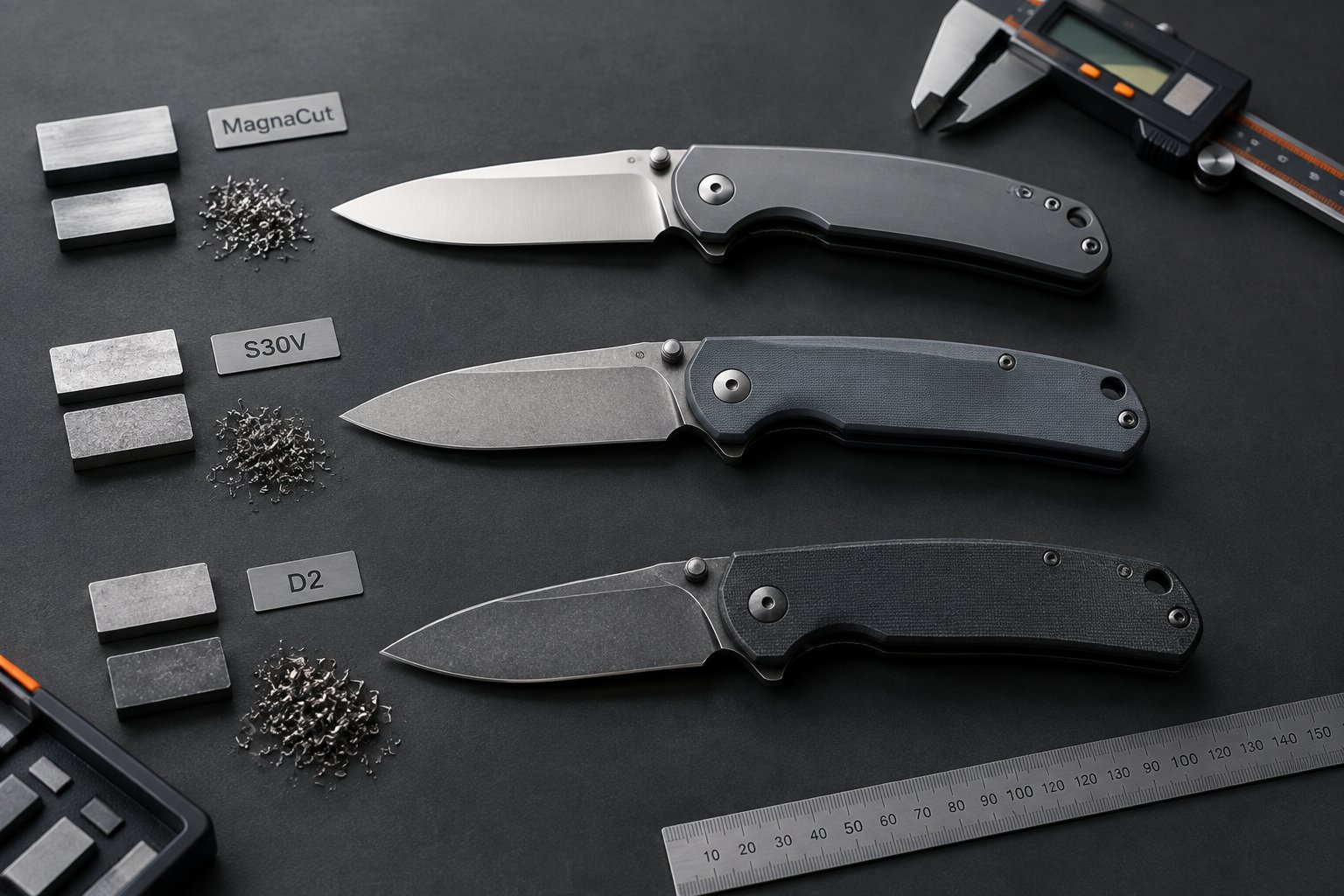
D2 steel, found in the CIVIVI Elementum, holds an edge longer than most budget alternatives thanks to a higher carbon and chromium content, though it is technically a semi-stainless and needs occasional wiping down. 8Cr13MoV, used in the Kershaw Cryo, sharpens fast and cheap but dulls sooner under heavy use.
Nitro-V, showing up more often in 2026 budget releases, blends corrosion resistance closer to true stainless steels with edge retention that beats basic 420HC. Tru-Sharp, Case’s proprietary steel in the Sodbuster Jr., favors ease of sharpening over long edge life, which fits a traditional slip joint used for light daily tasks. Sandvik’s 14C28N and similar budget alloys give buyers a strong balance of edge, toughness, and rust resistance under $50, a useful reference point when comparing specs on a product page.
Blade Shape and Length for Everyday Jobs
Drop-point blades like the Elementum’s suit the widest range of daily tasks, from food prep to general cutting, thanks to a strong tip and full belly. Clip-point blades, seen on the Paraframe, offer a finer tip for detail work but a thinner point that chips more easily under prying stress.
Blade length between 2.5 and 3.5 inches covers most daily carry needs without crossing into territory that draws unwanted attention or violates local blade-length rules. Longer blades cut more per stroke, but shorter blades open faster and clear a pocket edge without snagging fabric.
Pocket Clips, Weight, and Handle Materials
- Deep-carry clips sit a knife low in the pocket, showing only a sliver of metal above the seam
- Tip-up vs. tip-down carry changes how fast the blade reaches your grip when drawn
- G10 and micarta resist moisture and add texture for grip in wet conditions
- FRN and skeletonized steel cut weight, which matters most on knives carried all day
Weight and handle material shape comfort over a full day of carry, but the real gap between a $50 knife and a $150 knife shows up in the details buyers do not notice until months later.
What You Give Up Below $60
Budget knives ask for more maintenance and offer less refinement, and that trade is fair for a first knife or a beater. Knowing exactly what you are giving up prevents disappointment down the line.
Edge Retention, Corrosion Resistance, and Easy Sharpening
Softer steels like 8Cr13MoV and Tru-Sharp dull faster than premium options like CPM S30V or S35VN, which you find on knives well above the $60 mark. That means more frequent touch-ups on a stone or pull-through sharpener, though the upside is those touch-ups take less time and skill.
Corrosion resistance also drops slightly on steels like D2, which carries less chromium than true stainless alloys. A quick wipe-down after cutting acidic foods, like citrus or tomatoes, prevents the light staining D2 is known for among collectors and reviewers alike.
Pivot Smoothness and Fit-and-Finish Expectations
Budget pivots use simple phosphor bronze washers instead of the caged ball bearings found on pricier flippers, which means a slightly stiffer out-of-the-box action. That action loosens up with regular use, often smoothing out within the first two or three weeks of carry.
Fit and finish, like blade centering and handle gaps, can vary more from unit to unit at this price point than on knives built with tighter tolerances. Small inconsistencies like these rarely affect function but matter to collectors comparing multiple units side by side before choosing one to keep.
Safe Use and Basic Maintenance for a Budget Folder
A drop of light oil on the pivot every few weeks keeps action smooth and prevents the gritty feel that comes from dust and lint buildup. Wipe the blade dry after wet use, especially on D2 or 420HC, since both are more reactive than true stainless steels like H1.
- Oil the pivot every two to three weeks of regular carry
- Dry the blade fully before folding it closed
- Avoid prying tasks that stress the tip, especially on clip-point blades
- Check the pivot screw periodically, since budget knives can loosen faster under heavy flipping
Basic care like this keeps a $40 knife performing close to knives twice its price, which brings the whole decision back to a simpler question than steel or lock type.
The Right First EDC Is the One You Will Carry
The best knife under $60 is the one that actually rides in your pocket every day, not the one with the most impressive spec sheet. A CIVIVI Elementum left in a drawer does less for you than a Case Sodbuster Jr. carried daily.
Comfort in hand, a clip that grips your pocket without shifting, and a blade shape that matches your actual tasks matter more than chasing the highest HRC number on paper. A knife that feels awkward after ten minutes of carry gets left at home, no matter how good its steel is.
Buyers moving past their first budget knife often keep it anyway, as a beater for yard work or a loaner for friends who “just need to borrow a knife real quick.” That second life is part of why a budget EDC knife rarely feels like wasted money, even with no resale market to speak of.
Handling a few of these in person, feeling the pivot action and the clip tension, tells you more than any spec sheet. Sharp Things OKC’s folding knife selection covers this exact price range for that kind of side-by-side comparison, whether you stop into the Oklahoma City shop or order online with same-day shipping before the 3 p.m. cutoff.
Frequently Asked Questions
What Is the Best EDC Knife Under $60 for a First-Time Buyer?
The CIVIVI Elementum is the strongest first knife thanks to its D2 steel blade, simple liner lock, and comfortable drop-point shape. It handles most daily tasks without asking a new owner to learn an unfamiliar mechanism.
Is D2 Steel Good Enough for an Everyday Carry Knife?
D2 steel holds an edge well for a budget alloy and resists wear better than 8Cr13MoV or 420HC. It is a semi-stainless steel, so wiping the blade dry after wet use prevents light surface staining over time.
Are Assisted-Opening Knives Legal to Carry?
Assisted-opening knives like the Kershaw Cryo are legal in far more places than true automatics, since the user still starts the opening motion by hand. Local and state laws vary, so checking specific city and state rules before carrying is worth the five minutes it takes.
Should I Choose a Liner Lock or a Button Lock for EDC?
A liner lock suits most first-time buyers because it is easy to inspect and disengage with one hand during the closing motion. A button lock, like the one on the Kizer Original, offers a faster release but requires you to know exactly where the button sits before folding the blade.
Can a Budget Pocketknife Handle Work Tasks Every Day?
A budget pocketknife handles most daily work tasks well, including box cutting, food prep, and general utility jobs. Heavier use, like repeated prying or cutting dense materials, wears softer steels faster and requires more frequent sharpening than a premium steel would.
If you’d rather talk it through first, reach out to the shop and the staff can help match one of these to your actual routine before you order.