Fixed Blade vs Folding Knife for EDC: Which Fits Your Day?

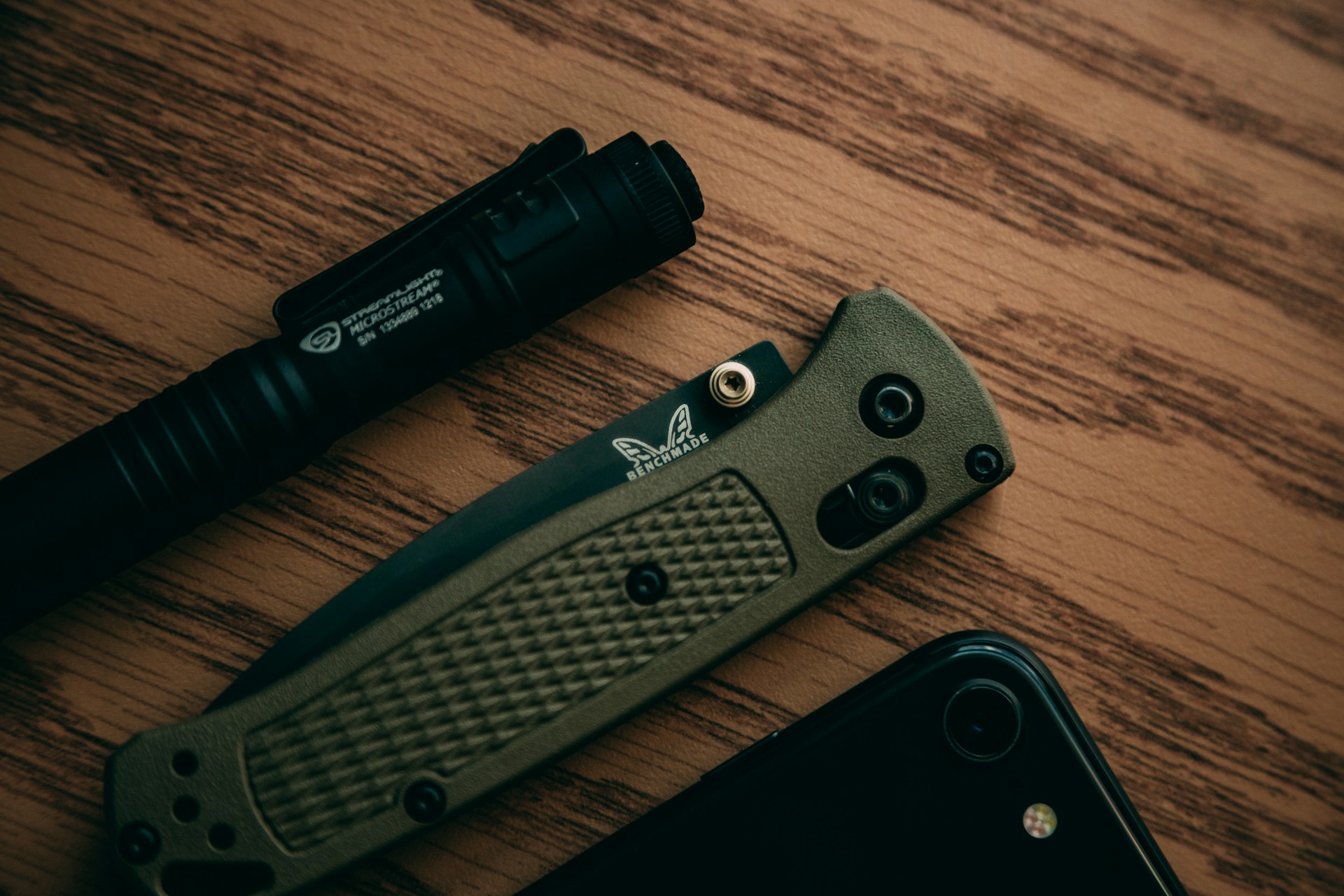
Picking between a fixed blade and a folding knife for EDC comes down to one question: do you need maximum strength and speed, or easy, low-profile pocket carry?
A folder rides in your pocket and stays out of sight. A fixed blade has no pivot or lock, so less wears out under hard use. Below, we compare strength, carry, deployment, cleaning, and legal basics, with real examples from Benchmade, ESEE, KA-BAR, and Spyderco.
Which Knife Fits Your Daily Routine?
A folding knife suits most pocket-carry needs, while a fixed blade fits frequent, heavy, or messy cutting. The choice usually depends on how often you cut, how hard those cuts are, and where you want the knife to ride.
Someone who opens mail, breaks down boxes, and trims loose threads needs a different tool than someone who splits kindling, cleans game, or works a trade where a blade comes out dozens of times a day.
Pick a Folder for Pocket Convenience
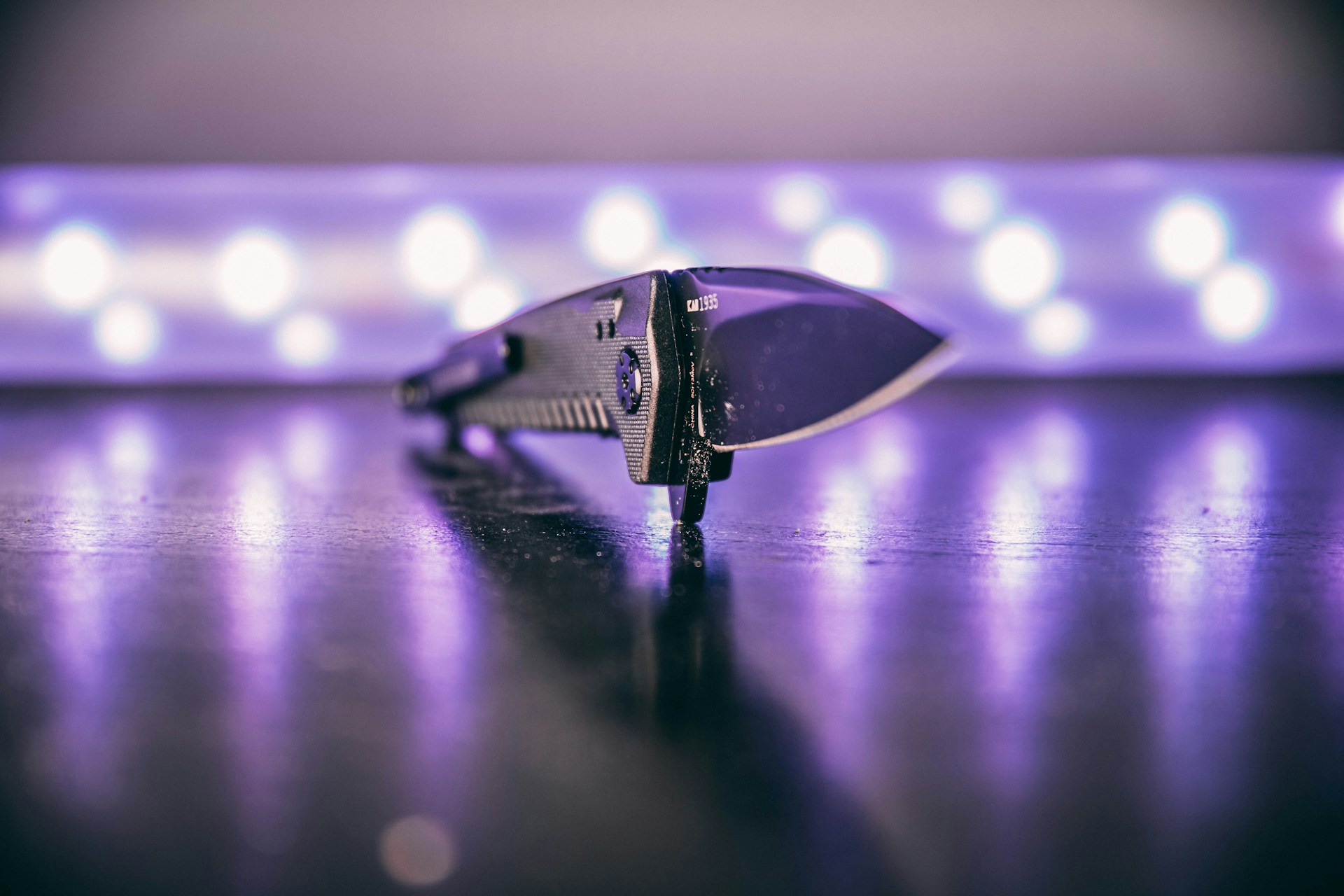
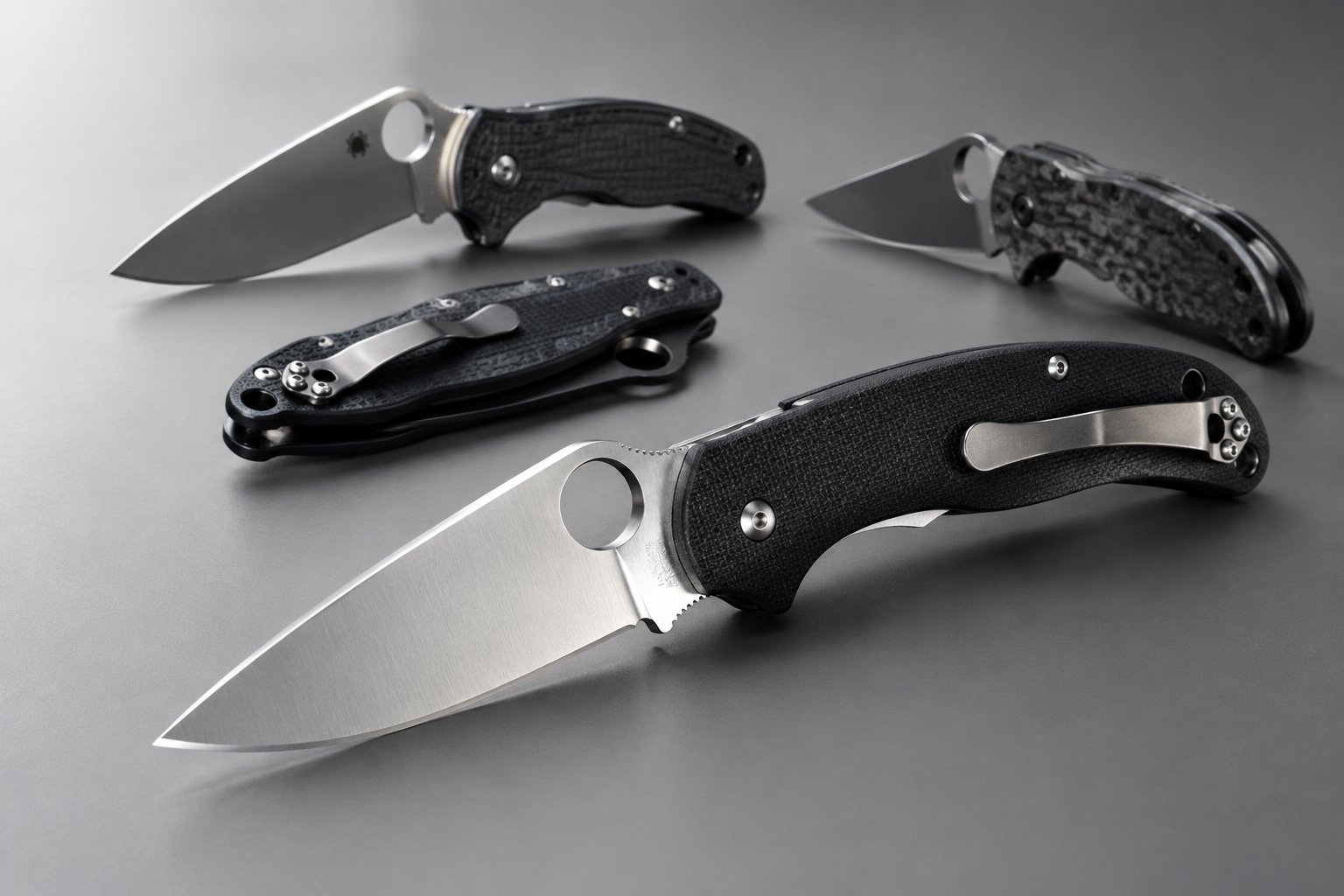
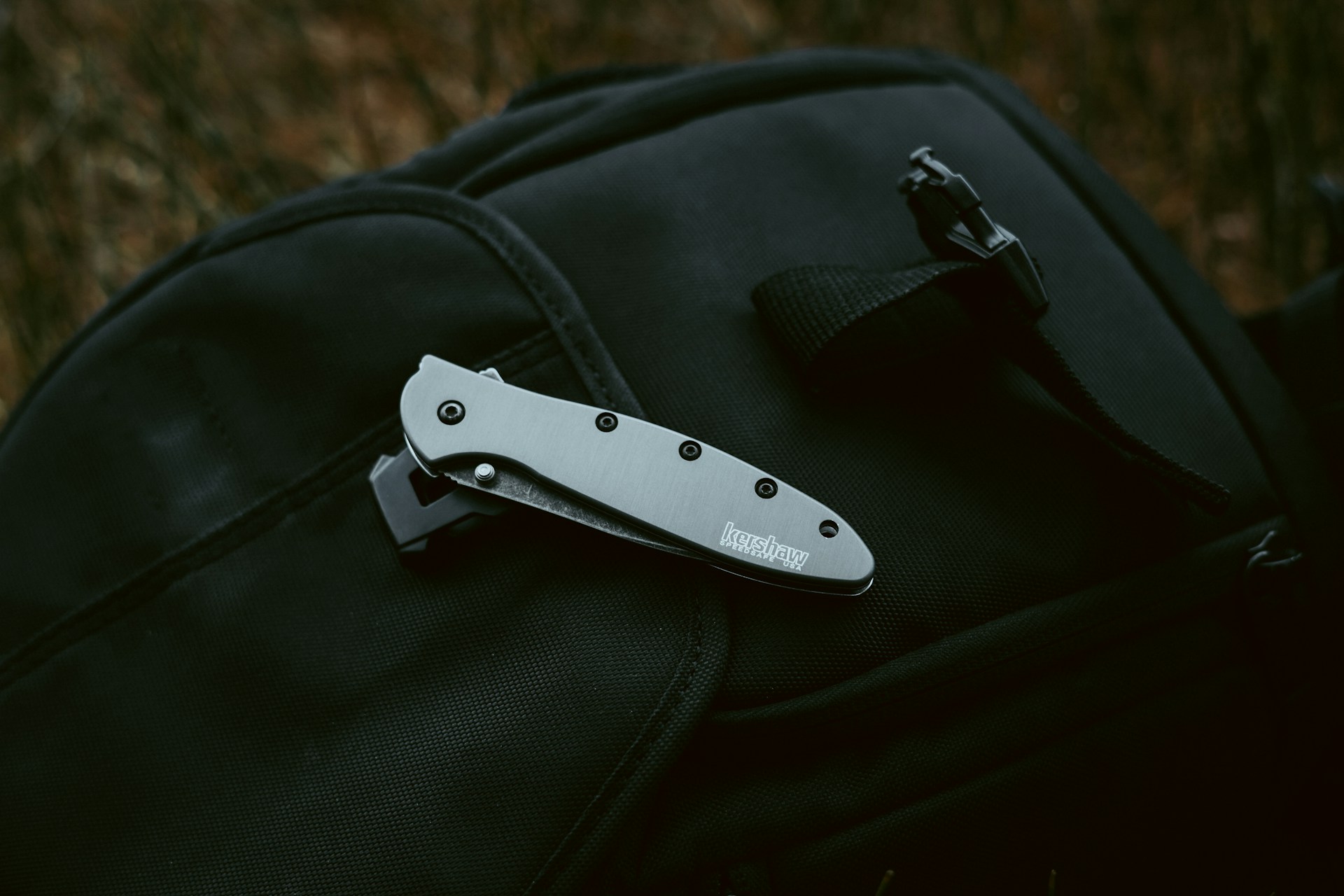
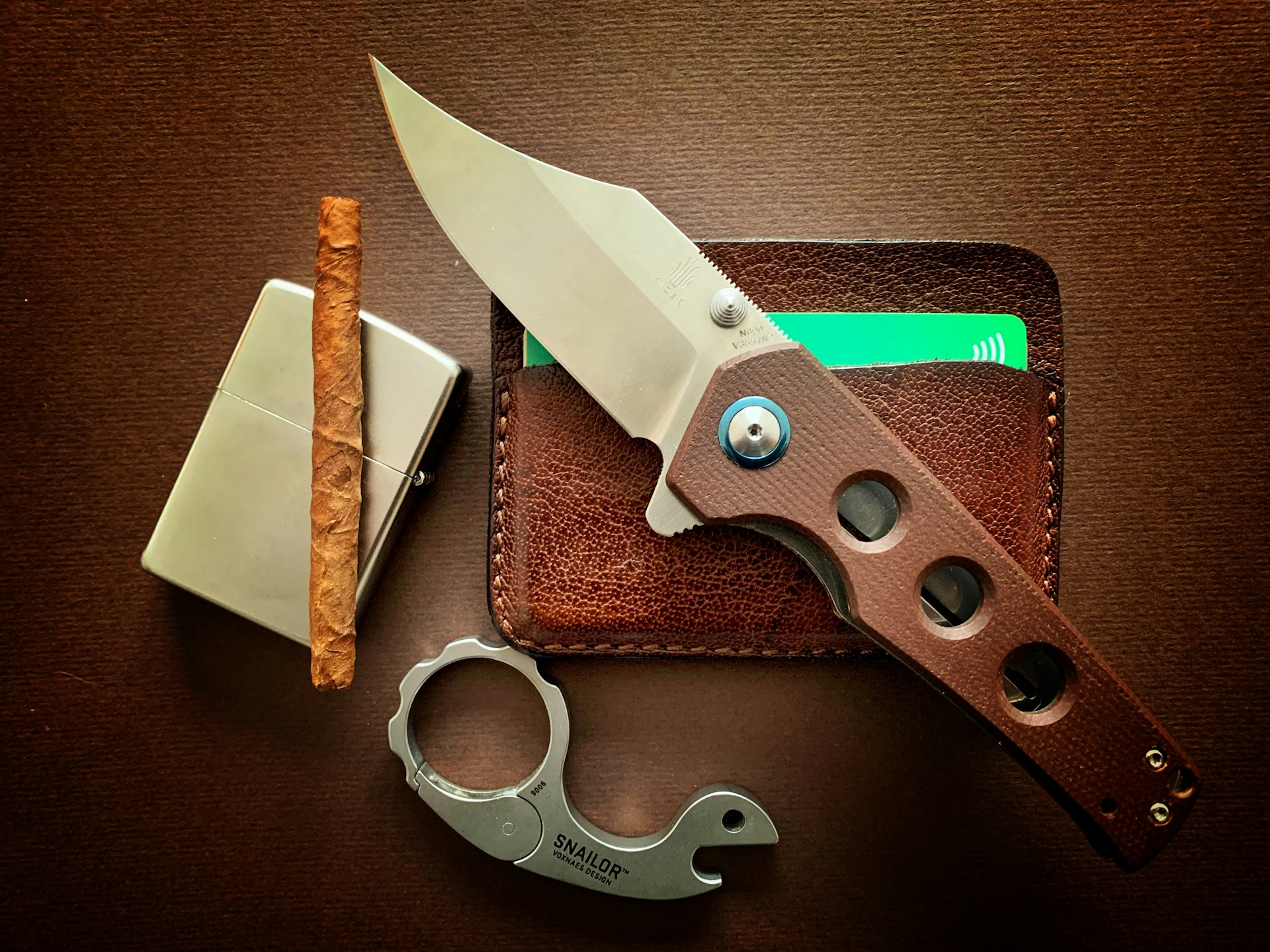
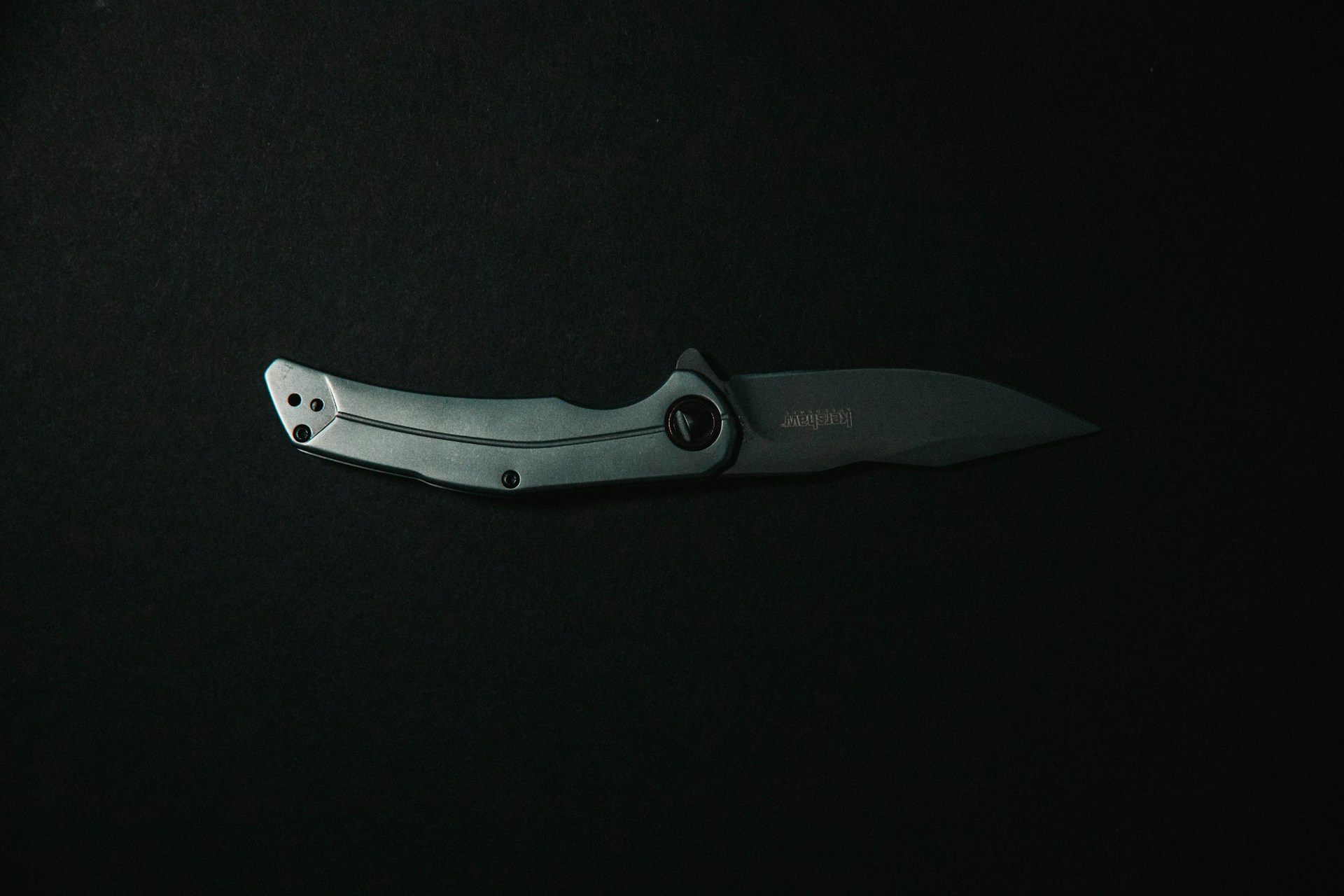
A folding knife rides in a pocket and opens with one hand, which makes it the low-key choice for the office, errands, and everyday chores. Folding knives like the Benchmade Bugout or Spyderco Endura clip to a pocket edge and stay handy without a belt or sheath.
Folders also suit people who carry daily but rarely cut anything tougher than packaging or cord.
Pick a Fixed Blade for Frequent or Messy Work
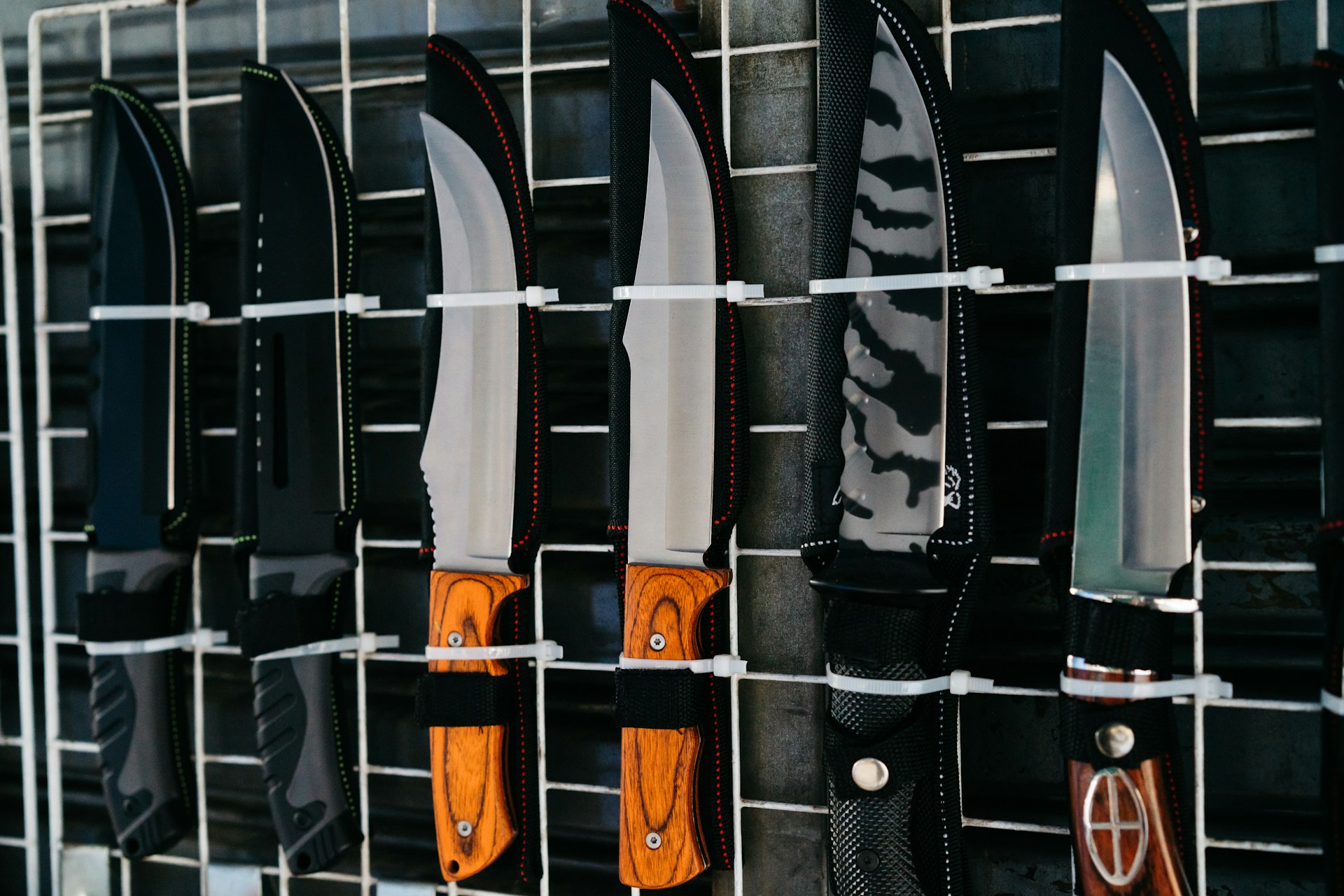
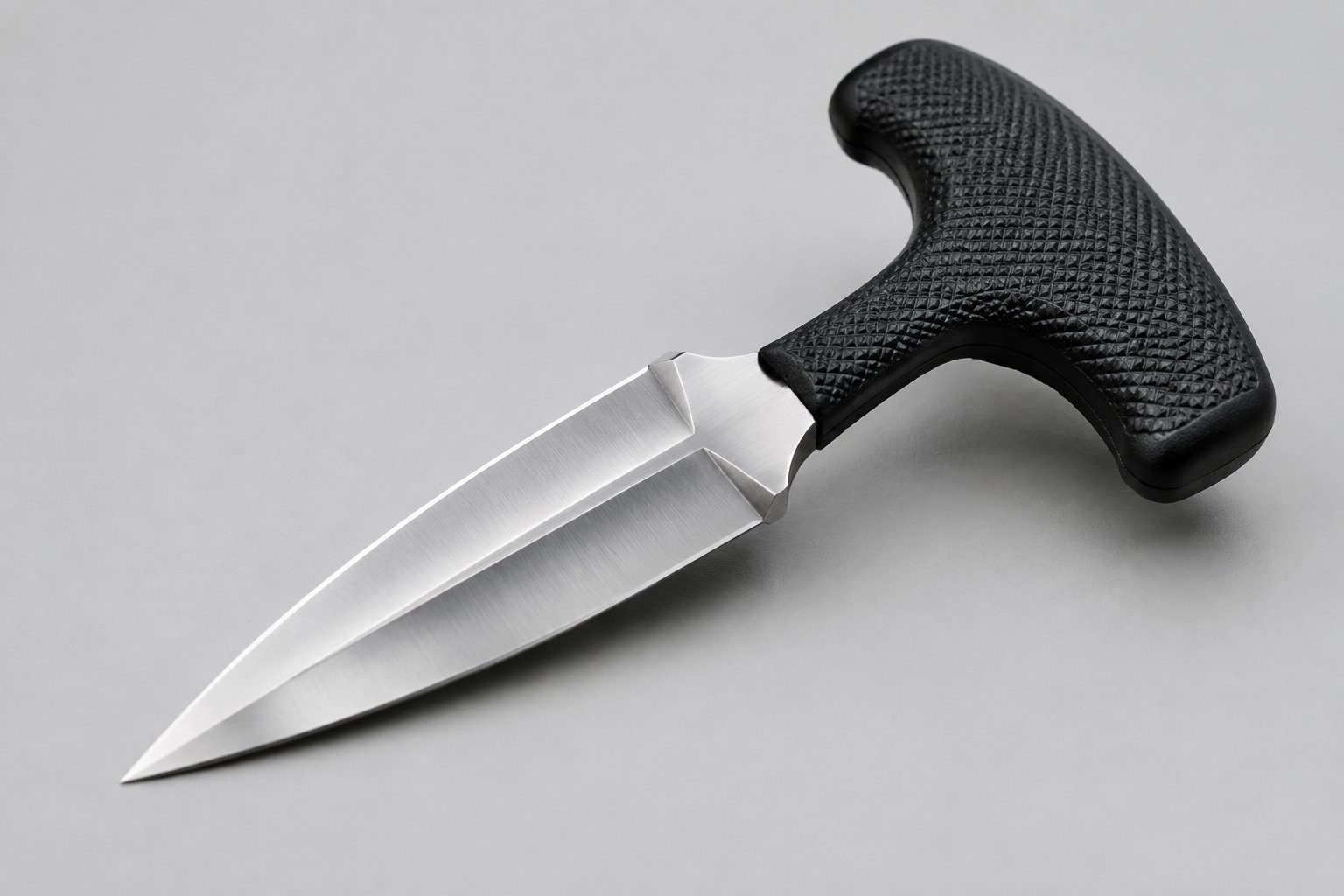
A fixed blade handles repeated, demanding, or dirty cutting better because there is no joint to clean and no lock to maintain. A compact model like the ESEE Izula rides in a sheath on a belt, a waistband, or a pack strap and comes out ready to cut.
That is why campers, hunters, and tradespeople often reach for fixed-blade knives for all-day work.
How Do Strength and Reliability Compare?
A fixed blade is mechanically stronger because it has no pivot or lock to fail, while a folder’s strength depends on its lock holding under pressure. That gap matters most for hard use like prying, batoning, or repeated heavy cuts.
Why a Pivot and Lock Matter
A folding knife opens on a pivot and relies on a lock to keep the blade from closing on your fingers. Benchmade’s AXIS lock uses a small spring-loaded bar that moves across the blade tang, and Benchmade’s knife mechanism guide describes it as ambidextrous with excellent strength and reliability. The same guide calls a frame lock stronger and more reliable than a liner lock.
Every lock still adds a mechanical joint. That joint can loosen, collect grit, or wear over years of heavy use, even on a well-made knife.
What Full Tang Construction Adds
On a full-tang knife, the blade steel runs the length of the handle in one piece, with handle scales attached to the sides. With no hinge or folding joint, there are fewer weak points when you pry or chop.
The tradeoff is weight. A full tang knife carries more steel in the handle than a folder of similar blade length.
Where Blade Geometry Matters More Than Knife Type
Edge geometry and steel often affect cutting more than whether a knife folds. A thin, well-ground folder can out-slice a thick, obtuse fixed blade, even though the fixed blade wins on raw structural strength.
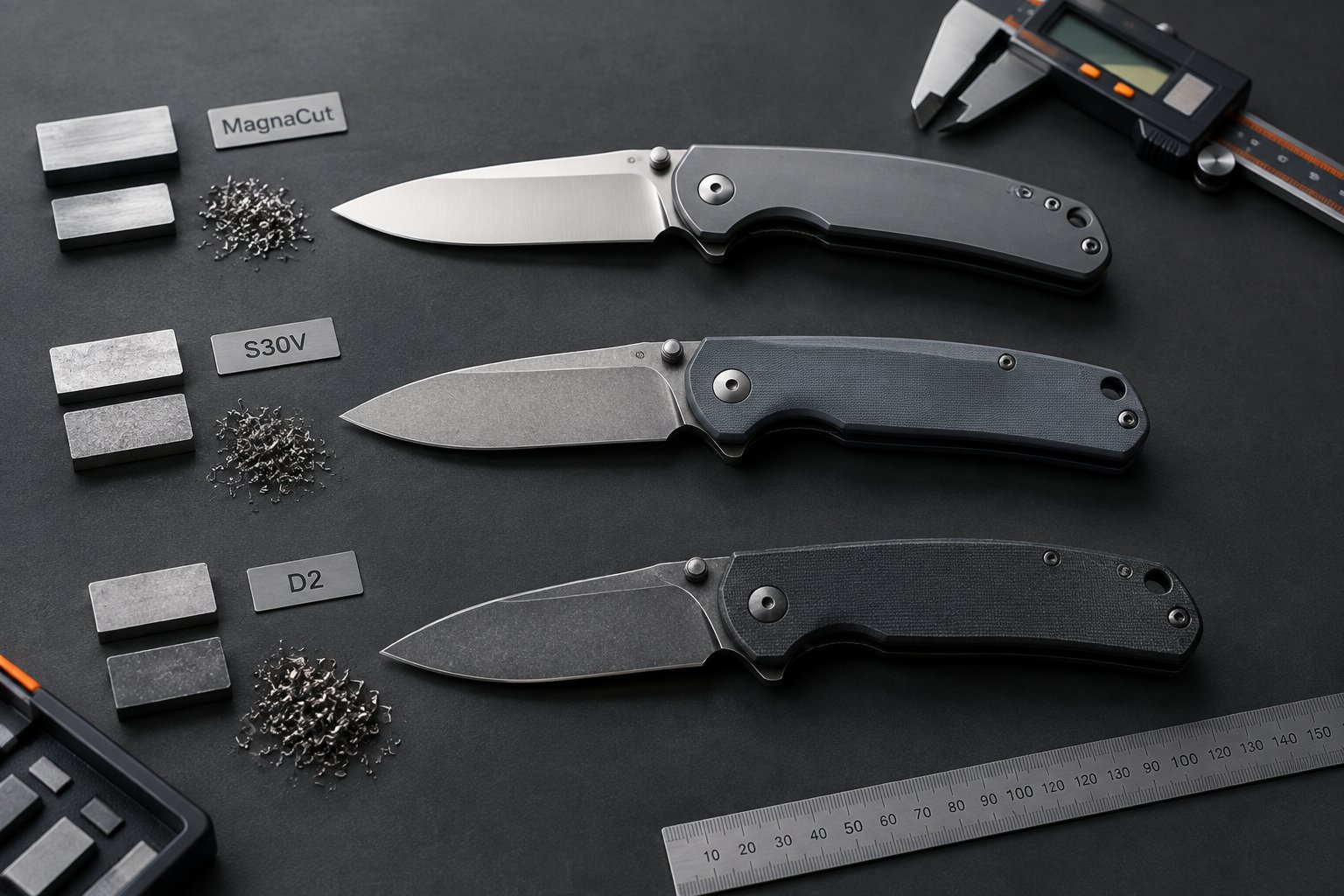
Steel choice also drives toughness, edge retention, and rust resistance on both types. Our blade steel comparison covers that side of the decision in detail.
What Is Easier to Carry and Use Each Day?
A folding knife is easier to carry discreetly, while a fixed blade is faster to use because it needs no opening step. Each format solves a different carry problem.
Sheath vs. Pocket Clip
A fixed blade rides in a sheath on a belt, inside a waistband, or on a pack or MOLLE panel. A folding knife rides in a pocket using a clip on the handle.
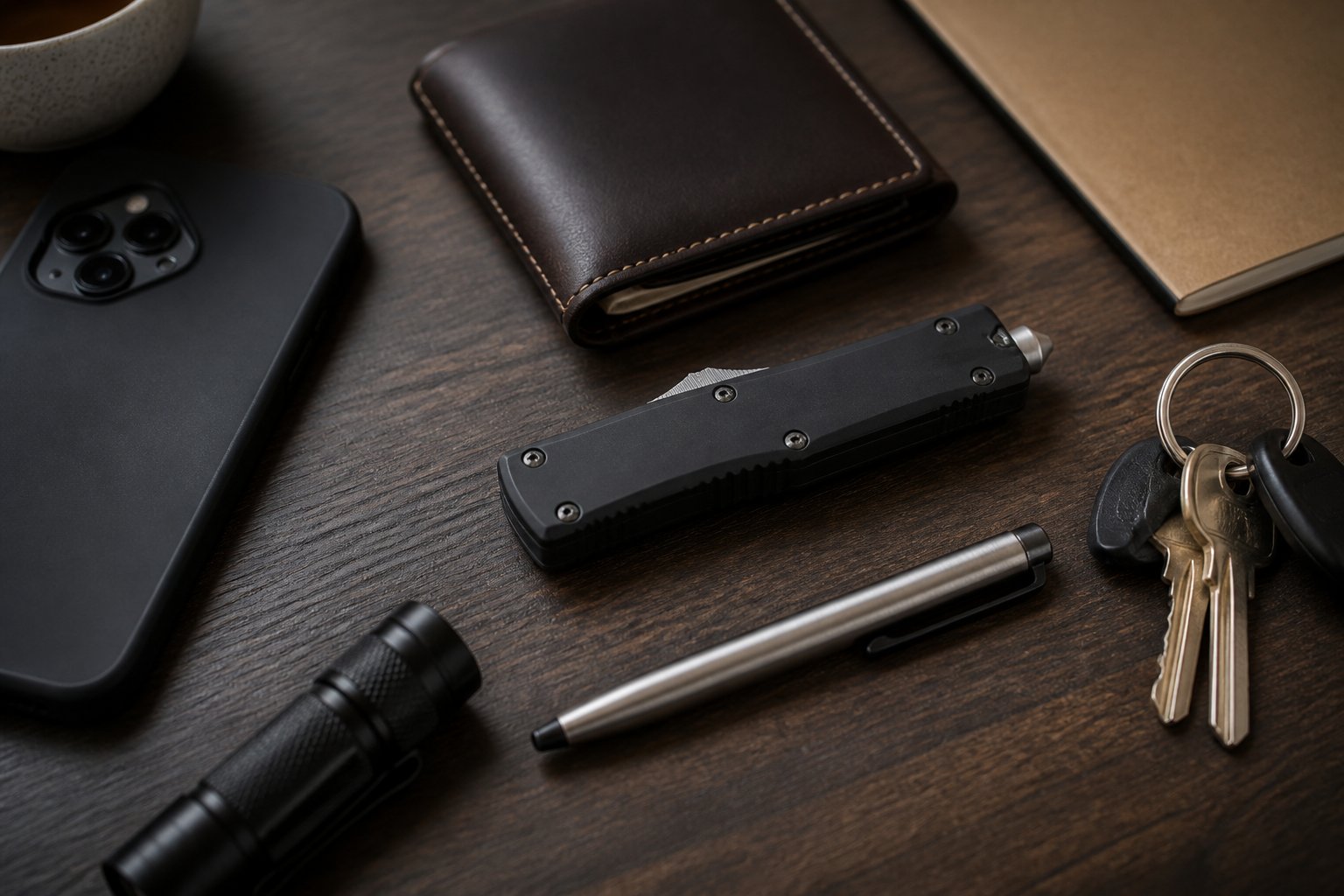
A sheath keeps the edge fully covered and ready, but it adds something visible on the outside of your clothes. A pocket clip keeps most of the knife inside your pocket, which many people find easier to live with day to day.
Comfort, Size, and Discretion
Small fixed blades can carry comfortably. The ESEE Izula measures 6.25 inches overall with a 2.63-inch blade and weighs 2.0 ounces without its sheath, according to ESEE’s Izula product page. Larger fixed blades add bulk you will notice by the end of a long day.
Folding knives close to roughly half their open length, which keeps pocket bulk low even with a longer blade.
Drawing a Blade vs. Opening a Folder
A fixed blade needs one motion: pull it from the sheath and cut. A folder needs a second step, using a thumb stud, flipper tab, or assisted mechanism, before the blade locks open.
Benchmade’s AXIS Assist adds a torsion spring that finishes the opening once you start the blade moving by hand, per the same Benchmade guide. Even with that help, a folder still needs the extra motion a fixed blade skips.
Which Tasks Suit Each Design?
A fixed blade is built for repeated, heavy or messy work, while a folding knife handles lighter daily cutting in a smaller package. Matching the knife to the job keeps both useful.
Packages, Cord, and Other Routine Cuts
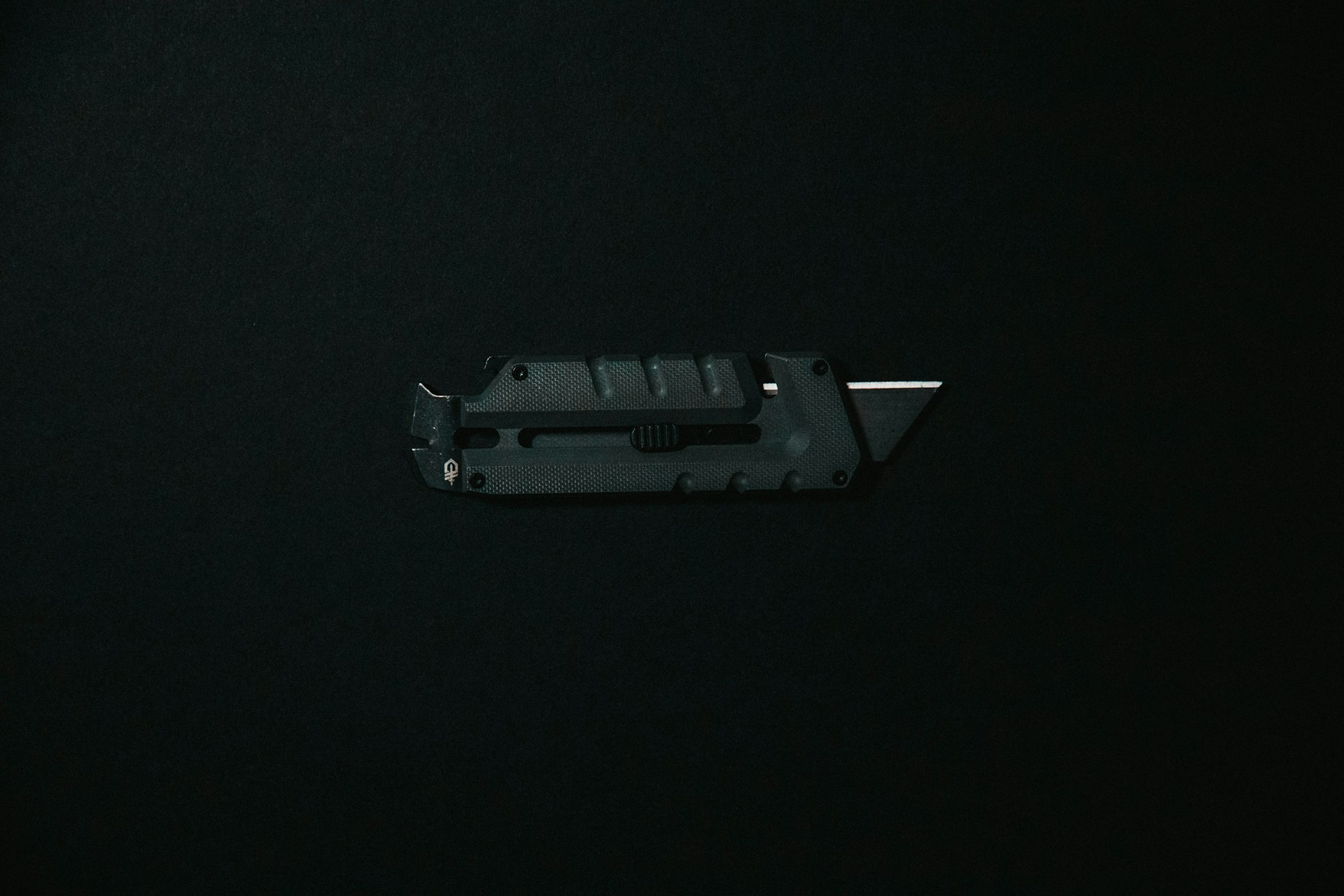
Opening boxes, cutting zip ties, and trimming thread are light jobs any sharp folder handles well. An EDC folder covers this kind of cutting without a sheath or belt space. If a folder is your direction, our guide to everyday carry knives breaks down folders by budget, size, and lock type.
Food Prep, Camp Chores, and Field Dressing
Fixed blades handle food prep, rope work, kindling, and field dressing comfortably because the blade never needs reopening between cuts. A KA-BAR or ESEE fixed blade suits these jobs, and you can rinse and wipe the blade clean without worrying about debris working into a pivot.
Work Sites and Backup Carry
Some tradespeople carry a fixed blade as their main utility knife for strapping, cord, and packaging, since it is ready without a deployment motion. Others carry a small fixed blade as a backup to a folder, so they have a second edge if the first is dirty or set down somewhere.
What Should You Check Before Carrying Either One?
Check cleanliness, sheath or clip security, and local carry laws before you carry a fixed blade or a folder every day. These three habits keep a knife reliable and keep you within the rules where you live.
Cleaning a Fixed Blade or a Folder
A fixed blade is easier to clean because there is no pivot or lock to trap debris. Rinse it, dry it fully, and add a light coat of oil, especially on carbon steel like the 1095 ESEE lists for the standard Izula.
A folder needs more attention around the pivot and lock. Benchmade’s Knife Care 101 guide recommends wiping the blade with warm, soapy water, avoiding soaking a folding knife, and adding a drop or two of knife lubricant to the pivot and lock after drying.
The same guide warns that leather sheaths can hold moisture. For long-term storage, it recommends a breathable sheath or removing the fixed blade from the sheath.
Sheath Retention, Storage, and Safe Handling
A secure sheath keeps a fixed blade from working loose while you move. ESEE sells a retention kit with a strap and button post for Izula and Imlay sheaths, and it tells owners to sheath the knife before installing or removing the strap.
Store both types clean and dry. Keep folders closed in storage, and keep fixed blades out of non-breathable sheaths for long stretches.
State and Local Carry Rules
Carry laws can treat fixed blades and folders differently, especially when a knife is concealed, and the rules change from state to state and city to city. Check your own state statute and local code before you carry either one regularly.
In Oklahoma City, for example, the city publishes its ordinances through the City of Oklahoma City municipal code page, and local rules can add limits beyond state law. This is general information, not legal advice. Laws change, so confirm current state and local requirements before you carry, especially when you travel across state lines.
Choose for the Tasks You Actually Do
Pick a folder if you want pocket convenience, a low-profile carry, and your day involves light cutting like boxes, cord, and packaging.
Pick a fixed blade if you need strength under heavy use, one-motion deployment, and easy cleanup for food prep, camp chores, or job site work.
Many people carry both: a folder for routine tasks and a compact fixed blade for heavier jobs or backup. Hold a few of each before you decide, because grip, weight, and the feel of a clip or sheath tell you more than a spec sheet.
Frequently Asked Questions
Is a fixed blade or folding knife better for EDC?
Neither is better for everyone. A folding knife suits pocket carry and light daily cutting like packages and cord. A fixed blade gives you more structural strength, faster deployment, and easier cleaning for heavy or messy work. Choose based on the cutting you do most often and how you prefer to carry, or carry one of each.
Are fixed blade knives practical for everyday carry?
Yes, as long as the knife is compact. A small fixed blade like the ESEE Izula, at 6.25 inches overall and 2.0 ounces without the sheath, can ride on a waistband, in a pocket in its sheath, or on a pack. You trade a little discretion for a stronger knife that is ready the moment you draw it.
What size fixed blade works for EDC?
For most people, a fixed blade with a blade around 3 inches or less is the easiest to carry all day. The Izula’s 2.63-inch blade is a good example of that size. Longer fixed blades shine at camp and in the field, but they add bulk you will notice on a belt or waistband during a normal workday.
Is a folding knife strong enough for daily cutting tasks?
Yes, a quality folder with a reliable lock handles normal daily cutting like opening boxes, cutting cord, and light food prep. Locks such as Benchmade’s AXIS lock or a well-made frame lock are built for everyday use. Avoid prying or batoning with any folder, since the pivot and lock are the parts that take the stress.
Do carry laws treat fixed blades and folding knives differently?
Sometimes. Some states and cities set different rules for fixed blades and folders, especially for concealed carry, and some local codes add limits that state law does not. The only reliable answer is your current state statute and city or county code, so check both before you carry, and check again before you travel.
Come See It In Store
Not sure which format fits your day? At Sharp Things OKC, you can hold folders and fixed blades side by side at our N May Ave store and feel the clip, sheath, and grip before you buy.
Shopping from out of town? Browse our knives online; orders placed before 3 pm usually ship the same day.