Best EDC Pry Bar and Pocket Tool Accessories Guide

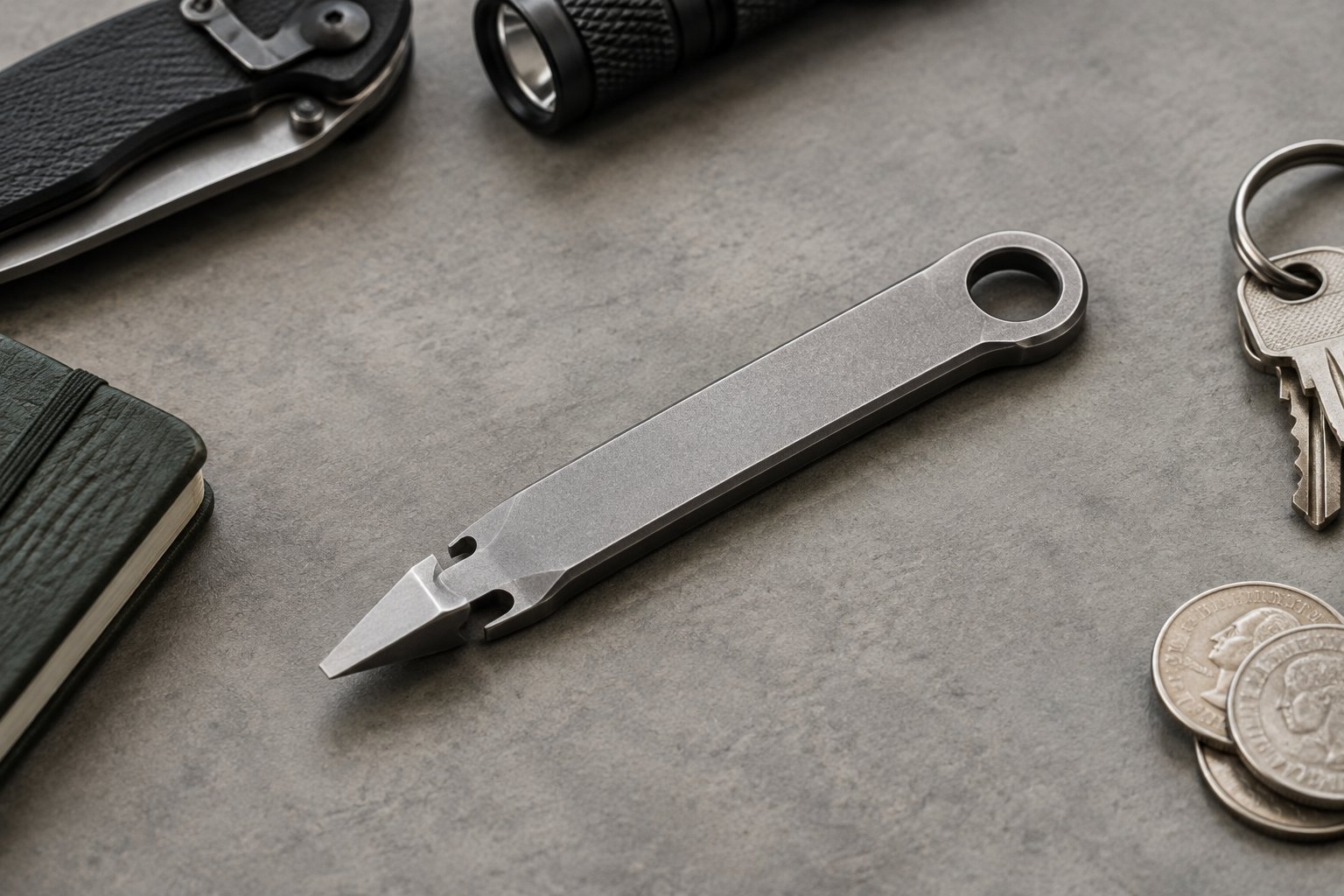
Your folding knife is not built for prying paint cans, scraping labels, or popping open a stuck drawer. The best EDC pry bar and pocket tool accessories take that abuse instead, saving your blade’s tip and lock for the cutting tasks it was actually designed to handle. These small tools have become one of the more practical additions to a modern pocket dump.
A dedicated pry bar costs less than a replacement folder and weighs less than your keys. The right one adds real capability to your pocket without noticeable bulk. Whether you carry a slim titanium bar, a keychain multitool, or a bit driver combo, the goal stays the same: protect your knife and get the job done faster.
This guide explains why these tools matter, how to pick a format that fits your carry, and which materials and features are worth paying for.
Why a Dedicated Pry Tool Belongs in an EDC Kit
A pry bar exists so you stop using your knife tip as a lever. Knife tips are ground thin for cutting, not for twisting against resistance, and a hard pry snaps them fast.
Stop Using a Folding Knife Tip for Leverage
Folding knife tips break under lateral stress because the blade geometry is not built for it. A snapped tip ruins the knife’s point and often voids a warranty.
Pocket pry bars solve this by putting a flat, thick, purpose-shaped edge between you and the task, acting as a dedicated “beater” so your primary blade stays sharp for cutting.
What Pocket Pry Bars Handle Well
These tools shine at specific, repeatable jobs you do daily. Common uses include:
- Opening paint cans, packages, and blister packs
- Scraping labels, stickers, or dried adhesive off surfaces
- Popping stuck battery covers or panel latches
- Turning a flathead screw in a pinch
- Cracking open a bottle if the tool includes an opener notch
Pocket-sized bars handle these tasks well because they require little force and have a short leverage point.
Know the Limits of a Compact Tool
A 3-inch titanium bar will not pull a fence post or pry apart a stuck door frame. Compact pry tools trade heavy-duty strength for pocket portability, and that trade-off is the entire point.
Pushing a small bar past its limit risks bending it or snapping a mounting screw on a multitool version. Knowing where your tool’s ceiling sits changes how you shop for the next one.
Choose the Right Pry Bar Format for Your Carry
The format you pick depends on how much pocket space you’re willing to give up and what jobs you actually run into. Four formats cover most buyers.
Slim Titanium Bars With Pocket Clips
A slim titanium bar with a deep-carry clip rides next to a folding knife without adding noticeable bulk. Vero Engineering’s Fulcrum and Mini Fulcrum are a good reference point here: full titanium construction, a magnetic bit holder built into the clip, and lengths from about 3.5 to 5 inches depending on the version, weighing under an ounce and a half even with bits loaded.
This format works best for people who already carry a knife, a light, and a wallet and don’t want a fifth pocket item competing for space.
Keychain-Style Multifunction Tools
Keychain pry tools attach directly to your key ring and often add a bottle opener, hex wrench, or small pry tip in one flat piece. The Gear Infusion EverRatchet is a strong example: a titanium or stainless keychain tool with a ratcheting beam, seven wrench sizes, a bottle opener, a box cutter and scraper edge, a wire stripper, a flathead driver, and a pry and scoring edge, all in a package about 2.4 inches long.
Keychain formats suit people who want a tool they’ll never forget to grab, since it’s already attached to something they carry daily.
Bottle Opener and Pry Tool Combinations
Combining a bottle opener with a pry edge is one of the most common pairings in this category, and for good reason. The notch geometry that pries a lid also catches a bottle cap cleanly. GiantMouse’s Caplifter is a clean example of the format: solid titanium, a stonewashed finish, and a built-in pocket clip that doubles as a keyring loop.
This combo format appeals to casual carriers who want one extra tool that earns its keep at a cookout as easily as it does at a workbench.
Pry Bars With Magnetic Bit Holders
A magnetic bit holder built into a pry bar turns a single-purpose tool into a compact screwdriver too. This is where first-time buyers often get surprised: magnet strength varies widely between models, and a weak one will drop a bit mid-turn.
Collectors know to test bit retention with the bit pointed straight down before buying, not just sideways on a display card. That small check separates a tool you trust from one that annoys you every time you use it.
Materials, Size, and Features That Matter
Titanium and stainless steel dominate this category, and your choice between them shapes weight, cost, and pocket feel. Both are legitimate choices that serve different priorities.
Titanium vs. Stainless Steel for Daily Carry
Titanium bars run lighter, resist corrosion better, and often carry a bead-blasted or anodized finish that hides scratches well. Stainless steel bars cost less, feel more rigid under hard prying, and hold a sharper scraping edge longer in daily abuse.
Material choice changes both feel and function, not just price. A buyer prioritizing pocket weight leans titanium; a buyer prioritizing raw durability leans steel.
How Length and Tip Shape Affect Leverage
Longer bars generate more leverage, but they also take up more pocket space and print more under thin fabric. A 4 to 5-inch bar gives real mechanical advantage for stubborn tasks, while anything under 3 inches works mainly for light scraping and opening jobs.
Tip shape matters just as much as length. A wide, flat tip distributes force across a wider contact area, while a narrow tip concentrates force for gaps and seams but bends more easily under side pressure.
When a Clip, Lanyard Hole, or Key Ring Helps
A pocket clip keeps the tool accessible without digging through a pocket full of change and keys. A lanyard hole works better for bag carry, letting you clip it to a zipper pull or paracord loop instead.
Key ring holes suit people who already run a keychain-based EDC setup and don’t want a separate carry method. Pick the mounting style that matches where the tool will actually live day to day.
Useful Extras vs. Pocket-Cluttering Gimmicks
Some added features earn their space; others just add cost without solving a real problem. Worth having:
- A bottle opener notch, since it costs nothing in bulk
- A bit driver socket, if you already carry driver bits
- A lanyard hole for bag or backpack carry
Skip a tool if the extra feature only works with a proprietary accessory you’ll never buy, or if it adds sharp edges that snag pocket fabric. A simple, reliable tool beats one stacked with features you’ll use once.
Build a Practical Pocket Tool Setup
A pry bar works best as part of a small, deliberate kit rather than a standalone item. Pairing it with the right companion tools closes gaps a knife and pry bar alone can’t cover.
Pair a Pry Bar With a Compact Bit Driver
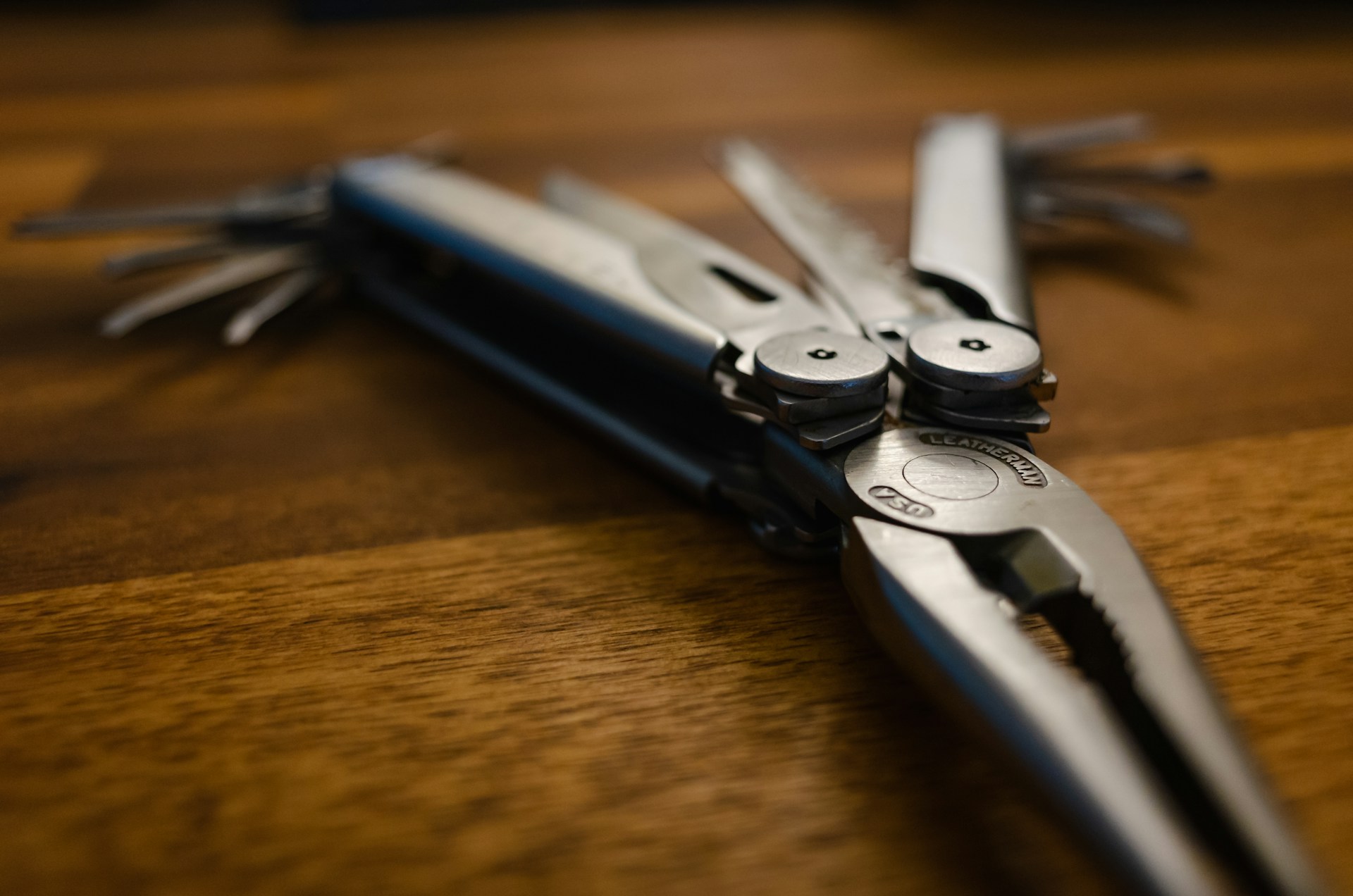
A bit driver adds screw-turning capability that most pry bars only approximate with a flathead notch. The Gerber Center-Drive combines pliers, a magnetic center-axis bit driver, a pry bar with a nail puller and bottle opener, and a full-size blade in one body, giving you a broader repair kit without carrying a full multitool.
Pairing a slim titanium pry bar with a small bit driver covers prying, scraping, and screw work without adding much bulk.
Keep Small Tools Organized and Accessible
Loose pry bars and bits rattling in a pocket get lost or left behind. A small pouch, dedicated key ring, or pocket organizer keeps everything grouped so you can grab the whole kit in one motion.
This matters more than it sounds. A tool you can’t find quickly when you need it might as well not be in your pocket.
Match Your Tool to Work, Travel, and Everyday Tasks
A jobsite calls for a steel bar with real prying strength, while air travel calls for a titanium bar that won’t trip airport bag scans as a “weapon-like” item, though rules vary by airport and screener. Everyday errands rarely need more than a keychain-style combo tool.
- Jobsite or garage: steel bar, longer length, bit driver pairing
- Travel or commute: slim titanium bar, deep-carry clip
- Everyday errands: keychain combo with bottle opener
Matching the tool to the task keeps you from over-carrying gear you won’t use, which brings up the last real test: how the tool feels in your hand before you buy it.
Carry the Tool That Protects Your Knife
The best way to judge a pry bar is to hold it and try the motion you’d actually use. Specs on a page don’t tell you how a clip tension feels or whether a tip shape matches your grip.
Compare Pry Tools in Hand at Sharp Things OKC
Weight, balance, and tip shape are hard to judge from a photo or a spec sheet alone. Handling a titanium bar next to a stainless one shows you the real difference in rigidity and pocket feel immediately.
Sharp Things OKC’s multi-tool and pocket accessory selection covers every format in this guide, from the Vero Fulcrum through the Gerber Center-Drive, and you can pick them up, flex them, and compare clip tension side by side in the store. That hands-on comparison is the fastest way to know which format actually fits your carry before you commit.
Frequently Asked Questions
What Is an EDC Pry Bar Used For?
An EDC pry bar handles prying, scraping, and light leverage tasks that would otherwise damage a folding knife’s tip or lock. Common jobs include opening packages, scraping labels, and popping stuck panels or lids.
Is Titanium or Stainless Steel Better for an EDC Pry Bar?
Titanium is lighter and resists corrosion better, making it comfortable for daily pocket carry. Stainless steel is heavier but often more rigid under hard prying, so the better choice depends on whether you prioritize low weight or raw strength.
Can a Pocket Pry Bar Replace a Screwdriver?
A basic pry bar can turn a flathead screw in a pinch using its flat tip. It won’t replace a real driver for repeated screw work, which is why models with magnetic bit holders exist to fill that gap.
What Size Pry Bar Is Best for Everyday Carry?
A bar between 3 and 4.5 inches balances leverage and pocket comfort for most people. Anything shorter limits mechanical advantage, while anything longer starts to print through pocket fabric.
Are Keychain Pry Tools Strong Enough for Regular Use?
Keychain pry tools handle light daily tasks like opening packages, scraping labels, and popping bottle caps reliably. They aren’t built for heavy prying jobs, since their short length limits leverage compared to a full-size pocket bar.
If you’re ready to add one of these to your carry, stop by the Oklahoma City store on N May Ave or browse the full lineup online, with same-day shipping on orders placed before 3 pm.