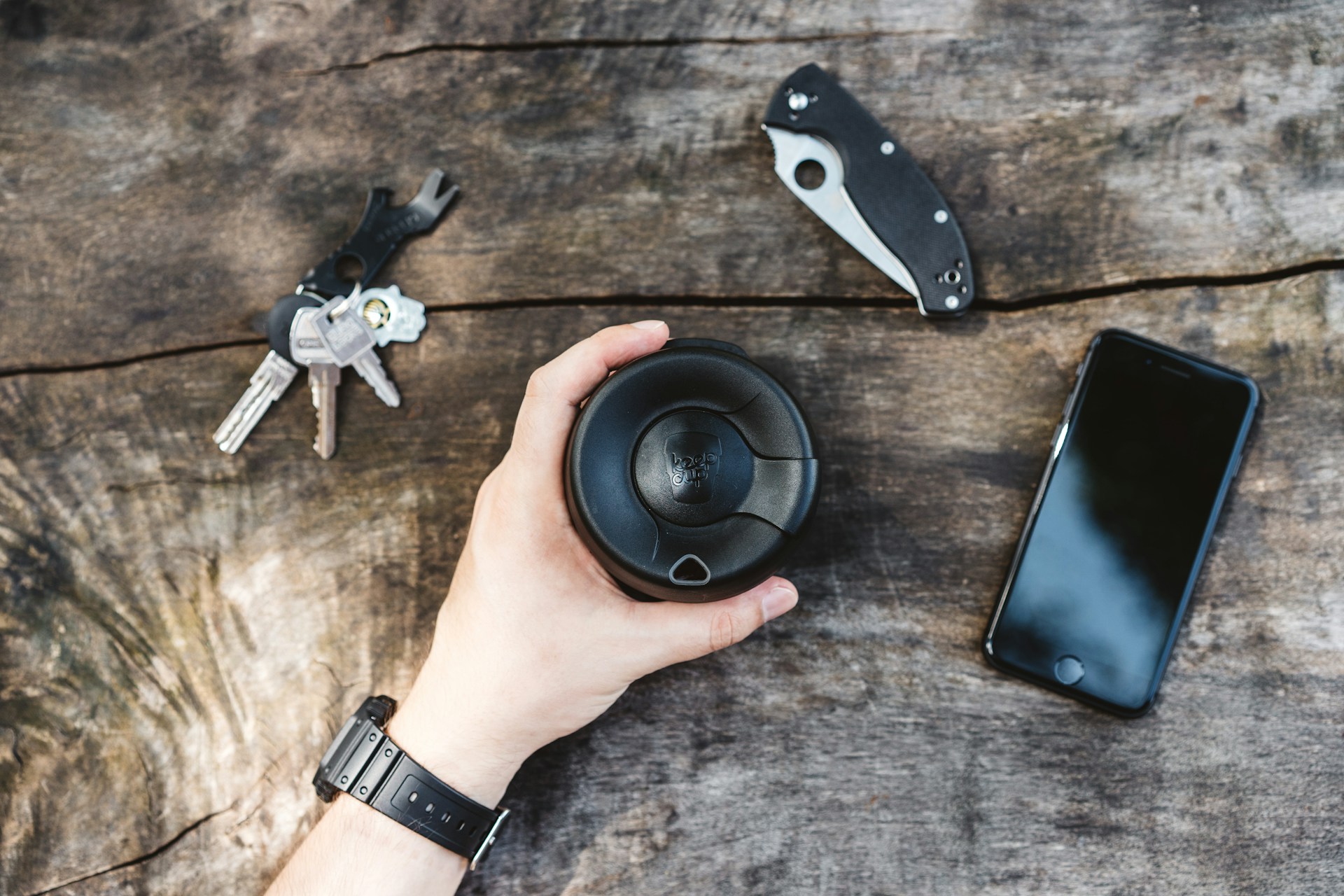
Why the Leatherman Multi-Tool Belongs in Every EDC Kit

You are standing in front of a stripped screw, a zip tie that needs cutting, or a battery cover held by a tiny Phillips head. A folding knife handles maybe one of those jobs. That gap is exactly where multi-tools earn their keep, and it is why so many people who already carry a good folder end up carrying a Leatherman alongside it.
Leatherman has been building pliers-based tools in Portland, Oregon since Tim Leatherman shipped the first PST in the early 1980s. The lineup now runs from a 1.8-ounce keychain tool to premium models with MagnaCut blades and G10 handle scales. A multi-tool earns its keep by handling roughly 80% of problems a knife was never built to solve.
In this guide, you’ll discover what a multi-tool actually adds to your carry, which build details separate a tool you keep for 20 years from one you replace in two, and how the Arc and Wave Alpha compare in real use. Fair warning: once you carry pliers every day, going without them feels like leaving the house barefoot.
What a Multi-Tool Does That a Pocketknife Cannot
Pliers. That is the short answer, and it’s why the whole category exists. A pocketknife cuts. A multi-tool grips, twists, cuts wire, drives screws, and opens things that were never meant to be opened by hand.
Grip, Cut, and Adjust During Everyday Fixes
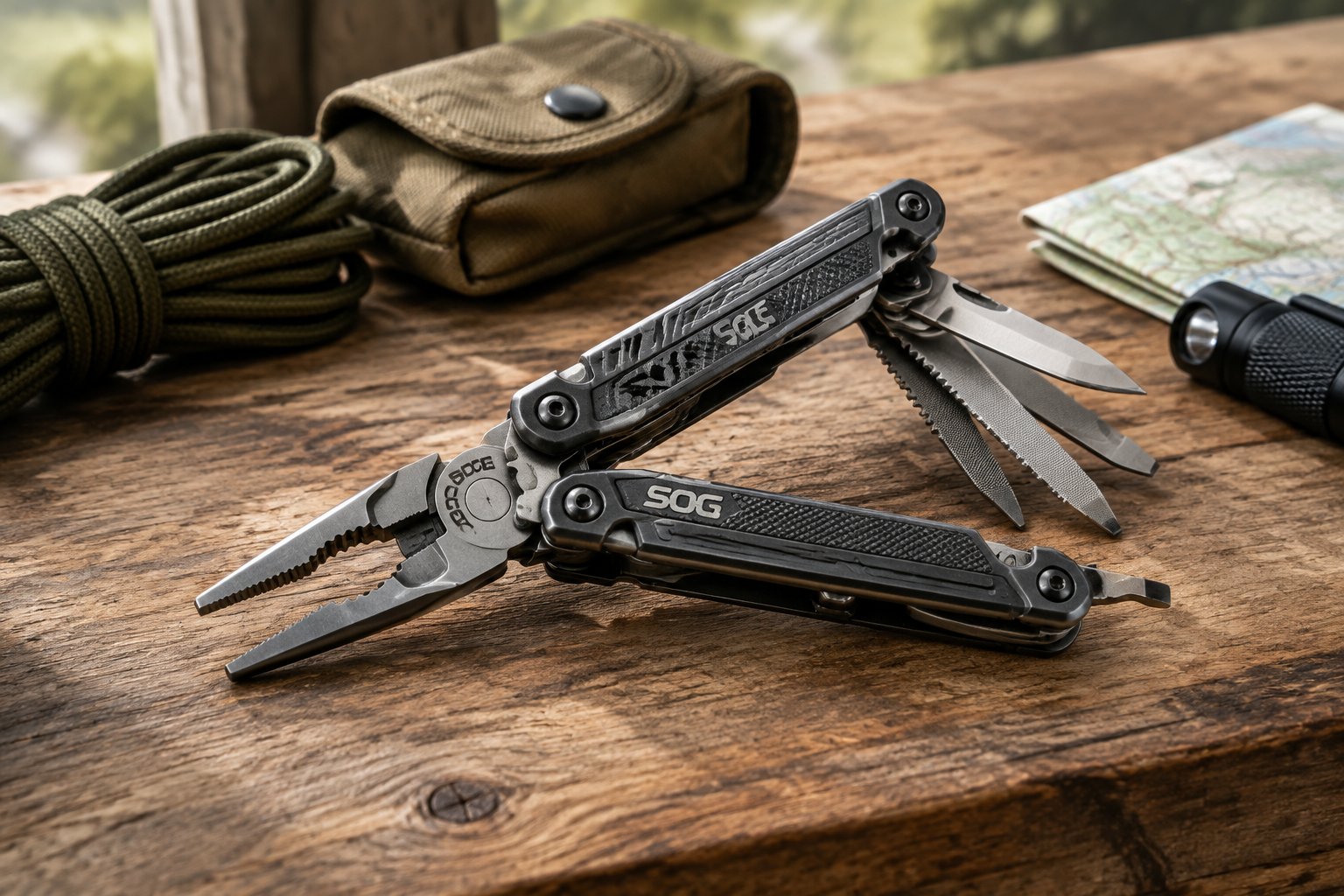
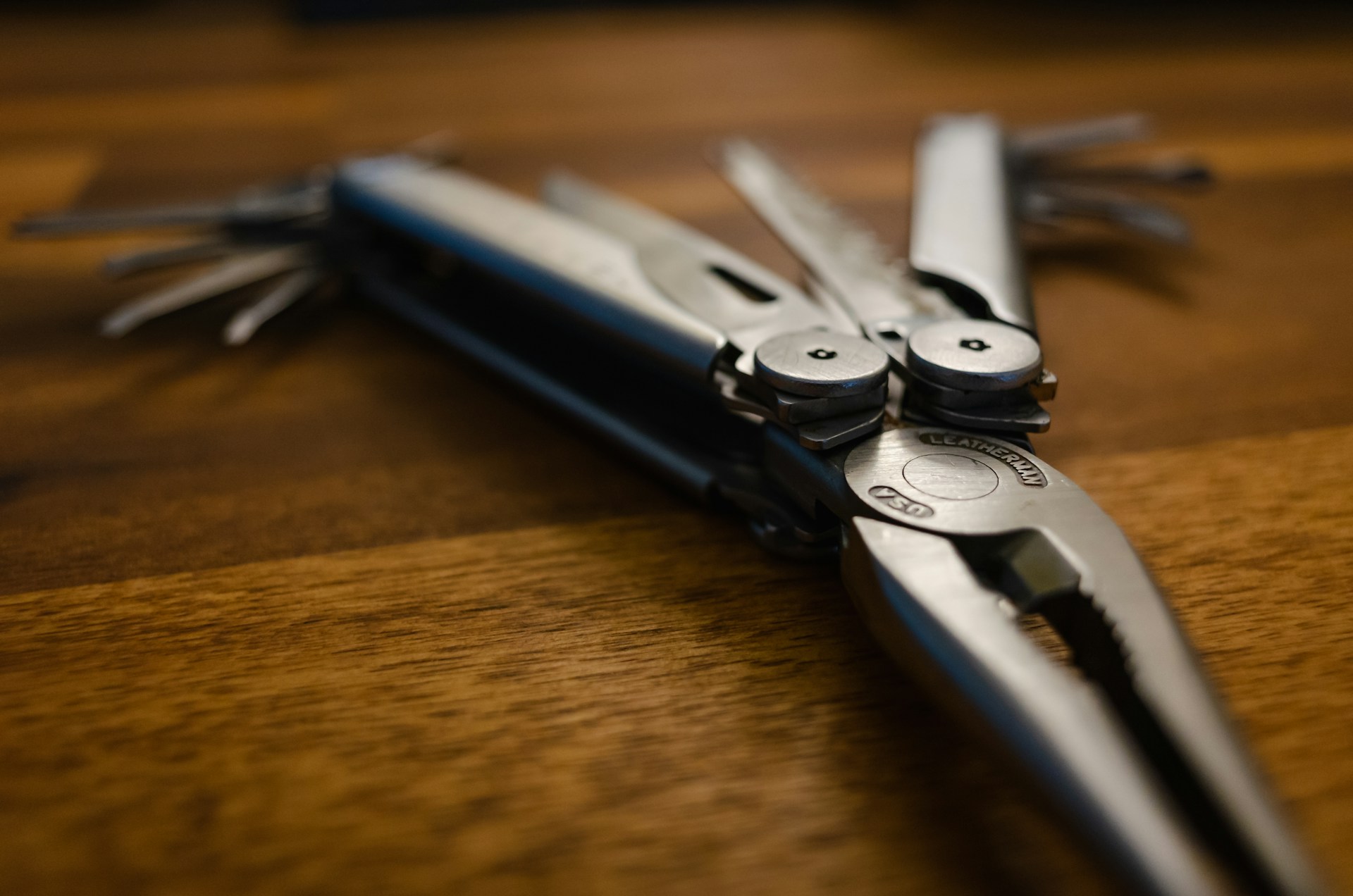
The needle-nose jaws on a full-size Leatherman let you pull a splinter, back out a bent nail, or hold a nut while you turn a bolt. The hard-wire cutters at the base of the jaws go through coat hanger, fence wire, and small nails without chipping. Many models add an electrical crimper for spade and butt connectors.
Then there is the driver set. A Phillips screwdriver plus flat drivers in two or three widths covers outlet plates, cabinet hinges, appliance panels, and eyeglass screws. Add scissors, a saw, a can opener, and a bottle opener, and you have a toolbox that rides in a pocket.
Here is the split most people land on after a year of carry:
- Pliers and wire cutters: the single most-used function, and the one no knife duplicates
- Screwdrivers: Phillips and flat, for furniture, electronics, and vehicle interiors
- Scissors: cleaner than a blade on tape, packaging, thread, and bandage material
- Saw: short cuts in green wood, PVC, and drywall
- Can opener and bottle opener: small tools you forget about until a campsite dinner
Why a Dedicated Knife Still Has a Place
A multi-tool blade is a compromise, and it should be treated like one. The handle geometry is built around a plier head, not around your grip, so extended cutting gets uncomfortable fast. Blade stock is thin, and the ergonomics are flat.
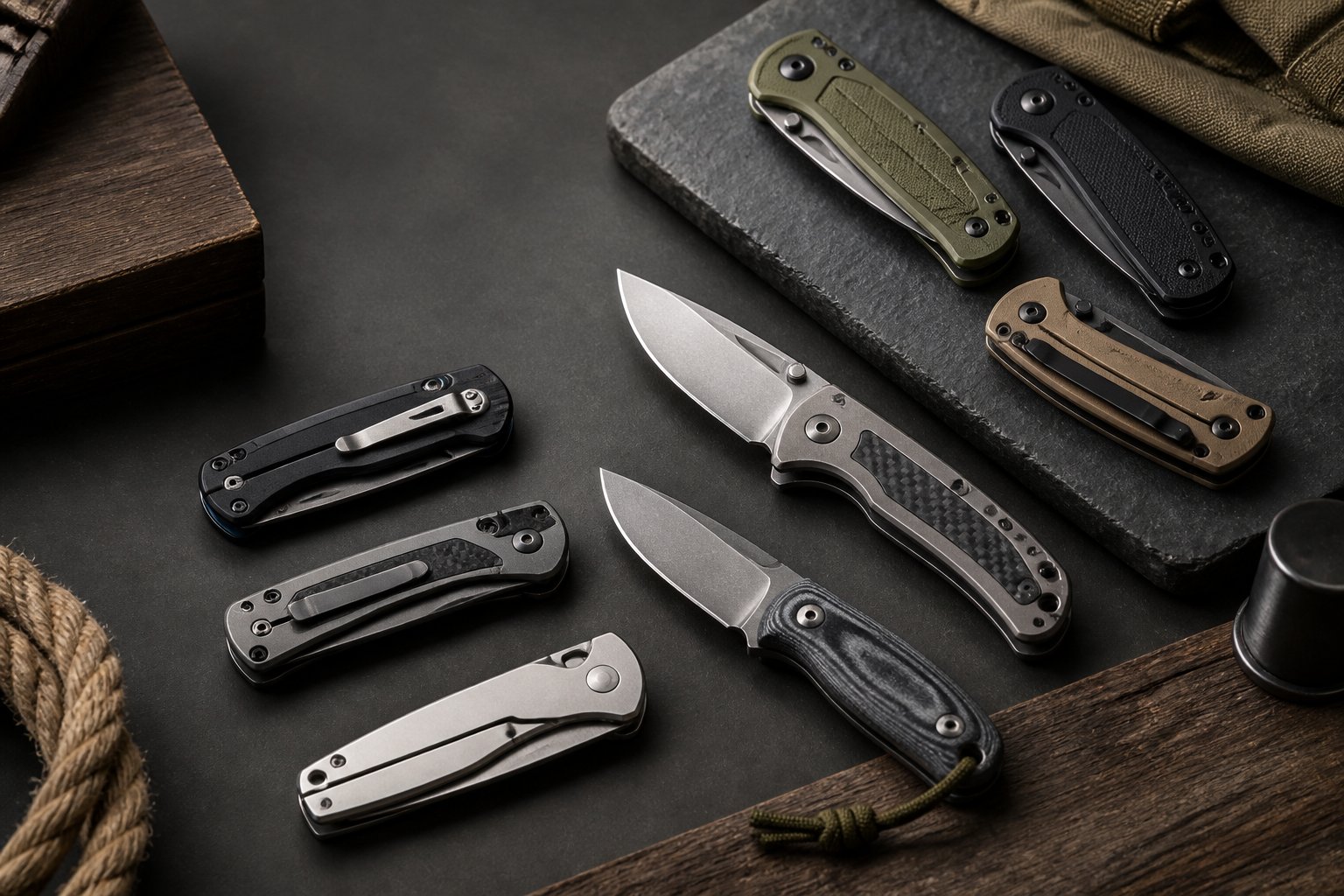
Compare that to a dedicated folder in CPM MagnaCut, M390, or S45VN with a proper G-10 or Micarta handle. You get better edge geometry, a real grip, and a lock designed for one job. If you’re breaking down cardboard all afternoon, you want the folder.
Carry both and the roles sort themselves out. That raises the obvious next question: what actually separates a well-built multi-tool from a bin-bought imitation?
Build Details That Matter Beyond the Tool Count
Tool count is marketing. Mechanism quality, replaceable wear parts, and steel selection are what you feel three years in.
Pliers, Replaceable Cutters, and Driver Systems
Look at the plier head first. Leatherman Tool Group builds needle-nose jaws with hardened, replaceable wire cutter inserts on models like the Wave and Arc. When the cutters dull or nick, you swap them instead of retiring the whole tool.
Spring-action pliers matter more than the spec sheet suggests. On tools like the Wingman, the jaws reopen on their own, which is the difference between comfortable one-handed work and a cramped hand after 20 crimps.
Driver systems split into two camps. Fixed screwdrivers are simpler and always there. Bit-driver systems accept standard hex bits, so you can run Torx, square drive, or long Phillips bits from the same tool. Trade convenience for adaptability and pick your side.
Blade Steel, Locking Tools, and Handle Construction
Blade steel on multi-tools used to be an afterthought. Then MagnaCut showed up. Developed by Dr. Larrin Thomas, it delivers strong edge retention with genuine corrosion resistance, and Leatherman put it on the Arc and Wave Alpha.
Locking implements are non-negotiable on anything you use hard. Every tool on the Wave Plus locks, so a saw or file will not fold back under load. Cheap imitations skip this, and you find out at the worst moment.
Handles matter too. Stainless scales are durable but slick when wet. G10 scales on the Wave Alpha add grip and cut a little weight, the same reason G-10 shows up on serious folding knives.
Once you trust the build, the real decision is size.
Choosing the Right Size and Tool Format for Your Carry
Size dictates whether the tool actually leaves the house with you. A 9-ounce tool you leave in a drawer is worse than a 2-ounce tool on your keys.
Full-Size Options for Work, Vehicles, and Outdoor Gear
Full-size Leatherman multi-tools run roughly 4 inches closed and 7 to 9 ounces. That is real leverage: pliers you can lean on, a saw that bites, and drivers with enough handle to break loose a tight screw. In a belt sheath or a truck console, the weight disappears.
If you work in the trades, wrench on vehicles, or pack for camping, this is the tier. A lanyard ring is worth checking for if you work on scaffolding or near water.
Compact Carry With the Micra and Keychain-Ready Tools
The Micra is the other end of the range: 10 tools in 1.8 ounces, 2.5 inches closed. It is scissors-based rather than pliers-based, and those spring-action scissors are genuinely excellent. Loose threads, price tags, packaging, fingernails.
It also carries a small blade, a file, a flat driver, tweezers, and a bottle opener. Nobody chooses a Micra for heavy work. People choose it because it is always on their keyring, which is the whole point.
When a Carabiner/Bottle Opener Makes Sense
The carabiner/bottle opener found on the Skeletool line does double duty: clip point and cap lifter. It is small, but it keeps a bottle opener in your life without a separate keychain fob.
If you already carry a keychain tool, a full-size tool with a carabiner/bottle opener may be redundant. Two functional bottle openers is one too many. Which brings us to the two models most buyers end up comparing.
How Arc and Wave Alpha Fit Different EDC Needs
Both run MagnaCut blades. The difference is the opening mechanism and how much refinement you want for the price.
Arc Features for Users Who Prioritize Premium Blade Steel
The Arc weighs 8.6 ounces, measures 4.25 inches closed, and features a 2.76-inch MagnaCut blade. It uses FREE technology, meaning magnets and internal springs let every tool open one-handed with a distinct click. No fingernail prying, ever.
In hand, the action is the selling point. Tools index smoothly into place, with no fighting a stiff back spring. You get needle-nose pliers, replaceable wire cutters, an electrical crimper, a saw, scissors, drivers including a Phillips screwdriver, a can opener, and a bottle opener.
This is the pick if you want the best-executed tool in the line and will use every implement.
Wave Alpha Features for a Capable Everyday Setup
The Wave Alpha builds on the best-selling Wave platform: about 4 inches closed, roughly 8.3 ounces, with a 2.9-inch MagnaCut primary blade. Outside-accessible blades open one-handed with a thumb, and everything locks.
It wins on ergonomics and the scissors, which are noticeably larger than earlier Waves. G10 handle scales grip better than bare stainless. You still get pliers, replaceable cutters, a saw, a full driver set with a Phillips screwdriver, a can opener, and a bottle opener.
If the FREE magnetic action does not sell you, the Wave Alpha delivers most of the capability with a proven layout. Either way, you have to actually carry it.
Carry Trade-Offs, Care, and Long-Term Value
Nine ounces on your belt is a decision, not a detail. Here is how it plays out day to day.
Weight, Pocket Space, and Access in Daily Use
Pocket carry works for full-size tools if you have a dedicated pocket. In jeans, a 4-inch tool competes with your phone and your folder, and it usually loses. A nylon or Kydex sheath on the belt solves access completely.
Bag carry is the compromise. The tool is with you, but not on you, so small problems go unsolved. Sheath carry beats pocket carry for anything over 7 ounces.
Cleaning, Lubrication, and Using Each Tool Safely
Grit in the pivots is what kills smooth action. Rinse the tool, blow it out, dry it fully, then put a drop of lubricant on each pivot and work it open and closed. A light pivot-specific lubricant does the job on multi-tools and knives alike.
Use the right implement for the job. Do not pry with a blade tip, do not use pliers as a hammer, and do not cut hardened wire with the standard cutters. Confirm each tool locks before you load it.
Made in Portland, Oregon and Warranty Considerations
Most Leatherman tools are built in Portland, Oregon, and the brand backs them with a 25-year warranty. That is not marketing filler. Send in a broken tool, and you generally get it repaired or replaced.
Warranty coverage protects the mechanism, not neglect. Keep it clean, and the tool outlasts several of your phones. So how does it fit alongside the rest of your gear?
Build an EDC Setup That Covers the Jobs You Actually Face
The strongest carry setups are built around tasks, not brand loyalty. Multi-tools cover mechanical problems. Knives cover cutting. Lights cover everything you cannot see.
A practical three-piece kit looks like this: a folding knife in a good steel, a Leatherman sized to your day, and a rechargeable flashlight. Add a keychain tool like the Micra if your work involves constant small snips.
- Office and city carry: compact folder, Micra or a lighter multi-tool, small light
- Trades and vehicle work: full-size Leatherman multi-tools in a belt sheath, sturdy folder
- Camping and outdoor kits: saw-equipped multi-tool, fixed blade, headlamp
- Emergency and vehicle bags: full-size tool with pliers and cutters, whistle, light
Buy the tool you will carry, not the one with the longest feature list. That is the honest test.
Frequently Asked Questions
Which Leatherman multi-tool Is Best for Everyday Carry?
For most people, a full-size tool around 4 inches closed hits the balance of capability and carry weight. The Wave Alpha and Arc both fit that description with MagnaCut blades. If weight is your limit, the Micra on a keyring is the honest answer.
What Are the Main Differences Between the Leatherman ARC, Wave+, and Surge?
The Arc uses FREE magnetic technology so every tool opens one-handed, and it carries a MagnaCut blade. The Wave Plus uses the classic outside-accessible layout with a proven toolset. The Surge is the heavy-duty option with larger pliers and a longer saw, better suited to trades than daily pocket carry.
Is the Leatherman ARC Worth the Price Compared With Other Leatherman Tools?
If you use a multi-tool daily and value one-handed access to every implement, yes. The FREE action and MagnaCut steel are real upgrades you feel. If you mostly need pliers and a driver a few times a month, a simpler model spends your money better.
Can You Take a Leatherman Multi-Tool Through TSA Security?
No. Any multi-tool with a blade is prohibited in carry-on luggage, and TSA officers have discretion even on bladeless tools. Pack it in checked baggage or leave it at home.
Are Leatherman Tools Made in the USA?
Most Leatherman multi-tools are designed and manufactured in Portland, Oregon, and backed by a 25-year warranty. Some accessories and select items are sourced elsewhere, so check the individual product listing if origin matters to you.
Which Leatherman Multi-Tool Is Best for Camping, Work, and Emergency Kits?
For camping, prioritize a model with a saw and can opener. For trade work, choose a full-size tool with replaceable wire cutters and an electrical crimper. For vehicle and emergency kits, weight matters less, so go full-size with the strongest pliers you can get.
Getting the Right Multi-Tool in Your Pocket
Multi-tools don’t replace a good blade, and Leatherman doesn’t pretend otherwise. What they do is close the gap between what your pocketknife handles and what daily life actually throws at you. Pick your size honestly, pick a model with locking tools and replaceable cutters, and carry it.
Want to feel what a plier-based multi-tool is like in the hand before you commit to a size or format? Sharp Things OKC’s multi-tool case on N May Ave carries SOG and Victorinox tools built on that same plier-and-blade platform, and the staff can walk you through weight, tool count, and format trade-offs in person.