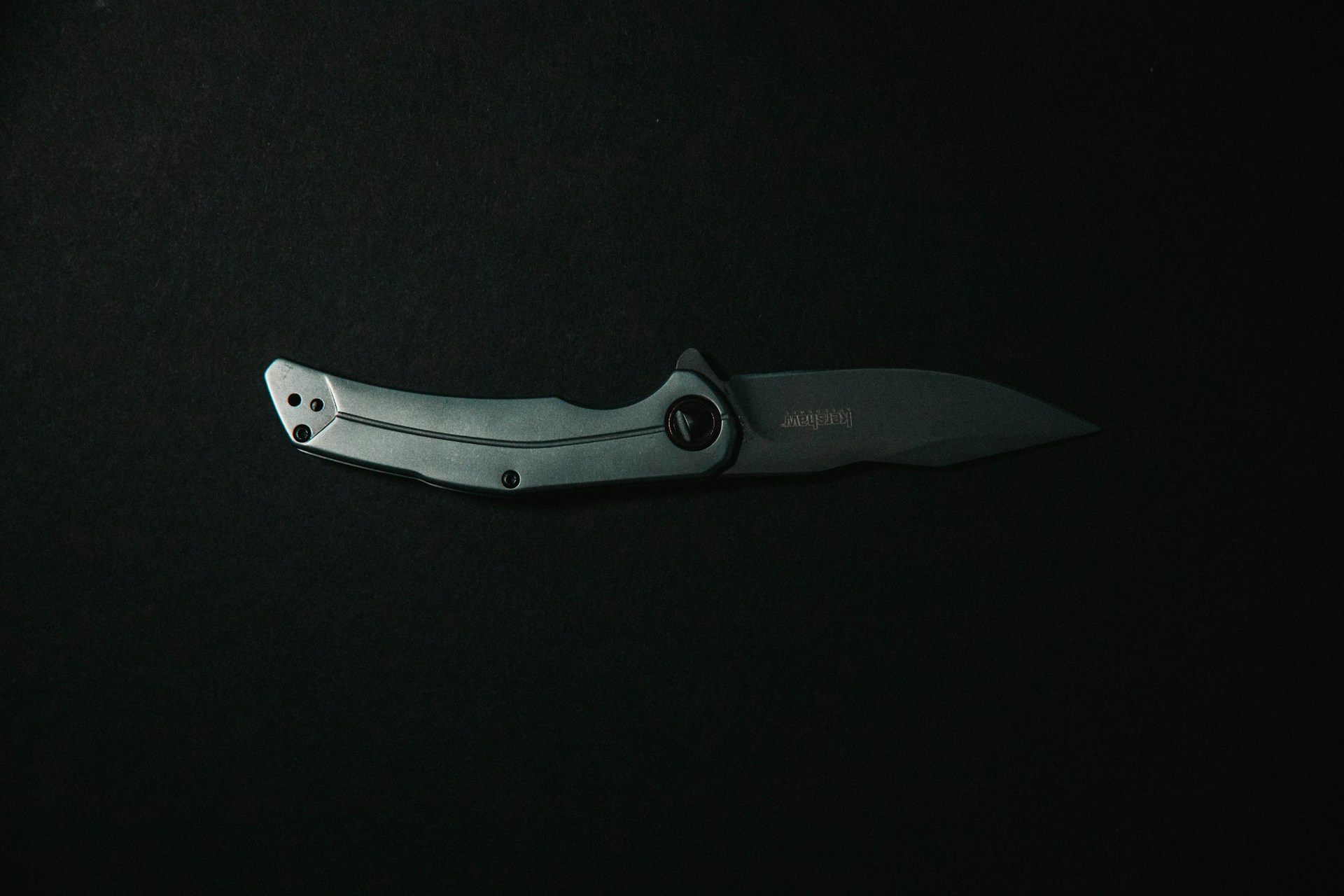
Medford Knife and Tool Review: What Drives the Price?

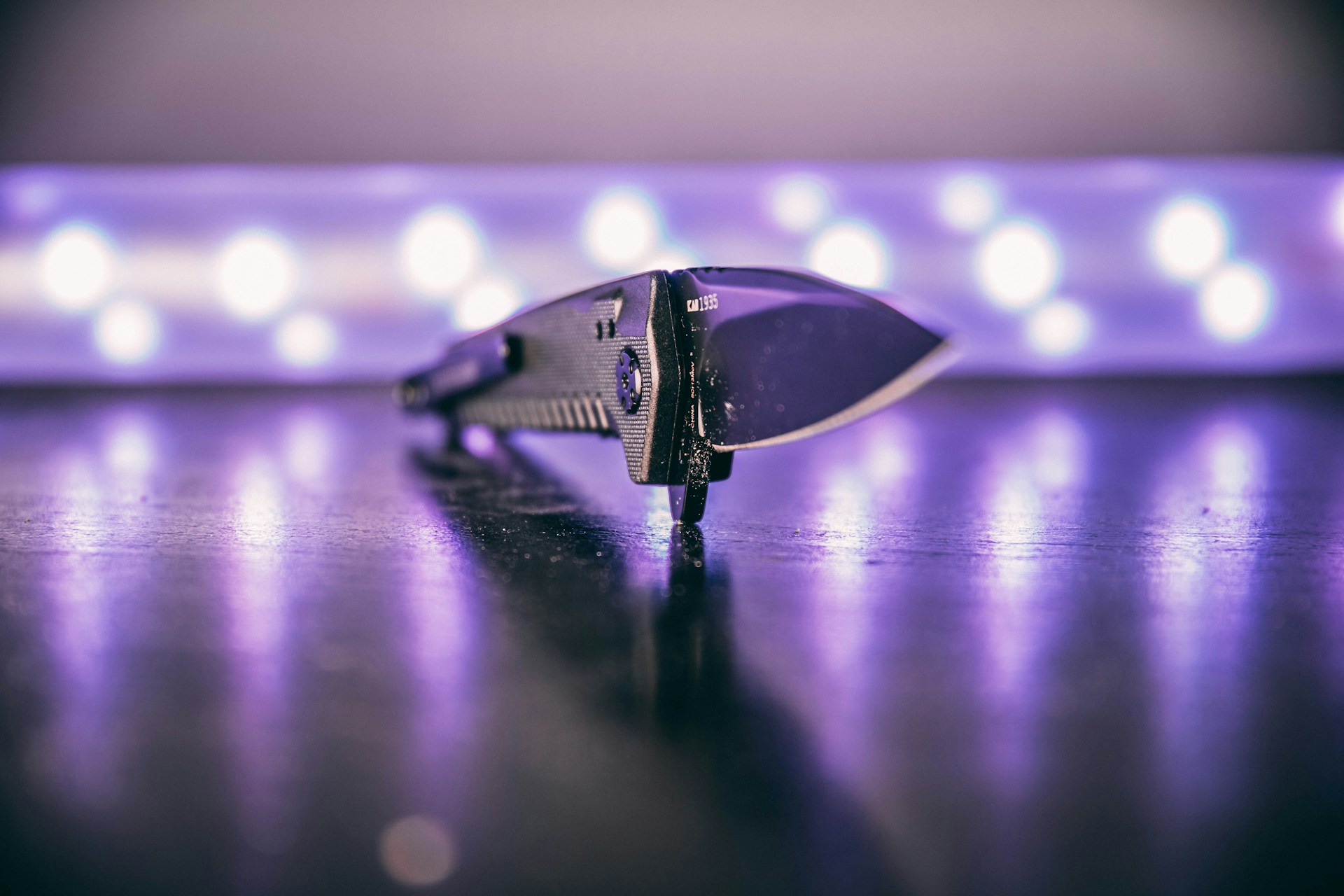
A Medford folder often costs several hundred dollars more than a well-made production knife of similar size. If you’re thinking about your first one, the real question is what you get for that money.
This Medford knife and tool review covers the four things behind the price: where and how the knives are built, the titanium, the steel, and the hand finishing. It also lays out the honest tradeoffs (weight, thickness, and cost) so you can decide whether a Medford fits the way you carry.
Why Do Medford Knives Cost So Much?
Medford knives cost more because of where they’re built, how much titanium goes into each one, and how much of the work is done by hand. The company says it controls “the entire process, from raw steel to finished blade” at its own facility instead of outsourcing parts.
Medford also describes its approach as an “overbuilt” philosophy that “prioritizes strength and durability above all else,” according to the FAQ on Medford’s official site. That philosophy shows up in the bill of materials: thick titanium frames, heavy blade stock, and more metal overall than a typical EDC folder.
What Does Manufacturing in Phoenix Add to the Price?
Building knives in the United States costs more than overseas mass production, mainly in labor and equipment. Medford runs a 26,000-plus-square-foot facility in Phoenix, Arizona, that it calls the “Shactory.” The core machinery is HAAS mills, waterjet cutting, and surface grinders, working alongside a hand-ground blade shop.
The company describes the result as a “high-tolerance, mid-tech feel with a handmade finish and assembly.” Keeping that work in-house means each knife passes through more skilled hands, and a smaller shop doesn’t get the economies of scale that bring unit costs down at bigger brands.
How Do Titanium Construction and Hand Finishing Affect Cost?
Titanium takes longer to machine to tight tolerances than aluminum or G10, and it is harder on cutting tools. Medford uses a lot of it. The flagship Praetorian T, for example, is built on solid titanium frames with .125-inch scales.
Then there is the finish work. According to Medford’s sculpting and finishes page, “every titanium scale is sculpted and heat-anodized in-house, so no two finishes come out exactly the same.” Many collectors call those heat-colored finishes “flamed” titanium. Skilled hand labor like this is a big part of what you pay for, and it is why two knives with the same model name can look noticeably different.
Which Blade Steels Should You Compare?
Medford’s current folders commonly use CPM S35VN, a stainless powder steel that balances edge retention, toughness, and corrosion resistance. Medford lists S35VN as the standard folding blade steel on the Praetorian Genesis T, and the TFF-4 also ships in S35VN.
Limited runs and special builds can use other materials, including Damascus on some collector pieces, so read the exact listing for the configuration you want instead of assuming every version of a model uses the same steel.
If you want a deeper look at how steels trade toughness against edge retention, the blade steel comparison for EDC walks through MagnaCut, S30V, and D2 side by side.
Which Medford Model Fits Your Collection?
Medford’s folder lineup splits mainly by size, from compact carry pieces to full-size flagships. Specs below come from Medford’s own product pages.
- Praetorian T: Overall length: 8 15/16 in. Blade length: 3.75 in. Weight: 9.3 oz. Notes: .190 in blade stock, .125 in titanium scales, D2 tempered-glass-breaking pommel.
- Praetorian Genesis T: Overall length: 7.5 in. Blade length: 3.3 in. Weight: 7.3 oz. Notes: S35VN standard; Medford calls it the original Praetorian size.
- Smooth Criminal: Overall length: 7.0 in. Blade length: 3.0 in. Weight: 5 oz. Notes: Compact, 4.0 in closed.
- Slim Midi: Overall length: 7.9 in. Blade length: 3.25 in. Weight: 4.1 oz. Notes: .375 in total thickness, the slimmest of the group.
Praetorian T and Praetorian Genesis T
The Praetorian T is the full-size flagship. At 9.3 ounces with .190-inch blade stock, it is built for people who want the most knife Medford makes, and the butt end carries a tempered-glass-breaking pommel.
The Genesis T is the same design in a smaller package. Medford calls it “the ORIGINAL Praetorian design size” and notes the full-size version first came about as “a printing fluke.” Both were showing as out of stock on Medford’s own site when this was checked, so availability through dealers and the secondary market matters for these two.
Smooth Criminal and Slim Midi for a Smaller Carry
The Smooth Criminal is a good middle ground. Its 3-inch blade and 5-ounce weight give you Medford build quality without the bulk of the Praetorian line.
The Slim Midi is the lightest of the four at 4.1 ounces, with a 3.25-inch blade and a .375-inch total thickness. If you want a Medford that disappears in a dress pocket, start here.
Check the Exact Configuration
Medford offers its models in many blade shapes, finishes, and hardware colors, and the price changes with each combination. Two knives sharing a model name can differ in steel, finish, and price, so compare the specific listing, not just the model name.
What Are the Tradeoffs in Daily Use?
The overbuilt design trades lightness for strength and rigidity. That is intentional, but it means most Medfords feel heavier and thicker in the pocket than mainstream EDC folders.
Weight, Thickness, and Pocket Comfort
The Praetorian T weighs 9.3 ounces. Many lightweight EDC folders weigh well under half that; for example, the Benchmade Bugout is listed by Benchmade at 1.85 ounces. That weight comes from thick titanium scales and heavy blade stock.
For pocket carry, thickness changes how the knife sits against your leg and how it prints under clothing. If you’re used to a slim aluminum or G10 folder, expect a bulkier footprint from the larger Medford models, or look at the Slim Midi and Smooth Criminal first.
Lockup, Opening Feel, and Break-In
Titanium frame locks, where part of the handle itself flexes behind the blade to hold it open, are a Medford signature. Medford says “every Medford ships tight from the factory by design,” with “an intentional break-in period where the action loosens with normal use.” Detent feel also affects how the blade stays closed and how it fires, and Medford’s video guide covers what falls within normal tolerance.
Blade shape matters too. A drop point gives you a strong tip and a useful belly for general cutting. A tanto has a flatter edge and an angled tip that many people choose for tip strength.
What Should Owners Know About Care and Service?
Medford knives need the same basic care as any premium folder, with a little extra attention to the titanium lock and pivot.
Cleaning and Lock Stick
Medford’s owner FAQ advises that you “apply a light coat of oil to the blade and pivot periodically.” A good knife pivot oil and a soft cloth usually cover it.
Raw titanium frame locks can develop “lock stick,” which Medford describes as “titanium-on-titanium friction causing the lock bar to temporarily stick.” According to Medford’s fix guide, treatment options include PTFE and light stoning, shown in its video. If the action feels gritty or squeaky, the same guide says “debris in the pivot area is usually the cause,” usually pocket lint, fine particles, or dried lubricant.
Factory Service and the Legacy Program
Medford’s standard RMA service covers factory sharpening “to the factory specification for that model,” broken or missing parts, and blade and handle adjustments. Once your request is confirmed, ship the knife to the Phoenix facility, per Medford’s services page. Medford doesn’t publish turnaround times, so ask when you open a request.
For collectors and secondary-market buyers, Medford’s Legacy Service adds paid options. An authentication and inspection service includes “a certificate of authenticity and a 0-100% rating” of cosmetics and mechanics, which helps when you’re buying a used knife privately. Full restoration and reconfiguration packages are also listed on the Legacy Service page.
What Should You Check Before Buying?
Confirm the exact configuration first. Steel, finish, hardware, and price can all change between versions of the same model.
Compare Size, Grip, and Finish in Person
Handling a Medford tells you things a spec sheet can’t: how the weight balances, how a thick titanium handle fills your grip, and how the frame lock feels under your thumb. Because finishes are sculpted and anodized by hand, the knife in front of you is also the only accurate picture of that finish.
Buy From an Authorized Dealer
Medford says knives bought from its site or authorized dealers carry its “Generational Guarantee,” tied to its “A Knife, For Life” commitment, and that “every shop in our verified dealer network is hand-selected.” If you’re shopping used, the Legacy authentication service above is the way to confirm what you’re getting. Pre-owned Medfords do turn up; check the pre-owned knife case for what’s available now.
Frequently Asked Questions
Are Medford knives good quality?
Yes, Medford knives are built to a high standard, with thick titanium frames, premium steels like CPM S35VN, and machining and hand finishing done in the company’s Phoenix facility. The brand describes its approach as “overbuilt,” which buys strength and rigidity. The tradeoff is weight: most models are heavier and thicker than mainstream EDC folders.
Who owns Medford Knife & Tool?
Greg Medford, the company’s founder, owner, and designer. According to Medford’s About page, he served in the United States Marine Corps from 1988 to 1992 as an 0311 infantryman and deployed for Operations Desert Shield and Desert Storm in 1990 and 1991. The company markets itself as USMC veteran-owned.
Where are Medford knives made?
Medford knives are made in Phoenix, Arizona, at the company’s 26,000-plus-square-foot facility on W. Quail Ave. Machining, blade grinding, titanium sculpting, anodizing, and assembly all happen there, and the company says it controls the process from raw steel to finished blade.
Which Medford is best for a first-time buyer?
A smaller model is usually the easiest first Medford to live with. The Slim Midi (4.1 ounces) and Smooth Criminal (5 ounces) give you Medford’s build quality in a size that carries like a normal EDC folder. If you specifically want the full Praetorian experience, the Genesis T is the more pocketable version of that design.
Why are Medford knives so heavy?
Medford knives are heavy because they use thick titanium frames and heavy blade stock by design. The Praetorian T, for example, has .125-inch titanium scales and a .190-inch thick blade, and it weighs 9.3 ounces. If weight matters most, the Slim Midi is the lightest option covered here.
Come Hold One In Store
A Medford is a knife you should feel in your hand before you buy. Sharp Things OKC is an authorized Medford dealer, so stop by our shop at 6610 N May Ave to compare the titanium, weight, and finish in person, or shop our Medford knives online. Orders placed before 3 pm usually ship the same day.