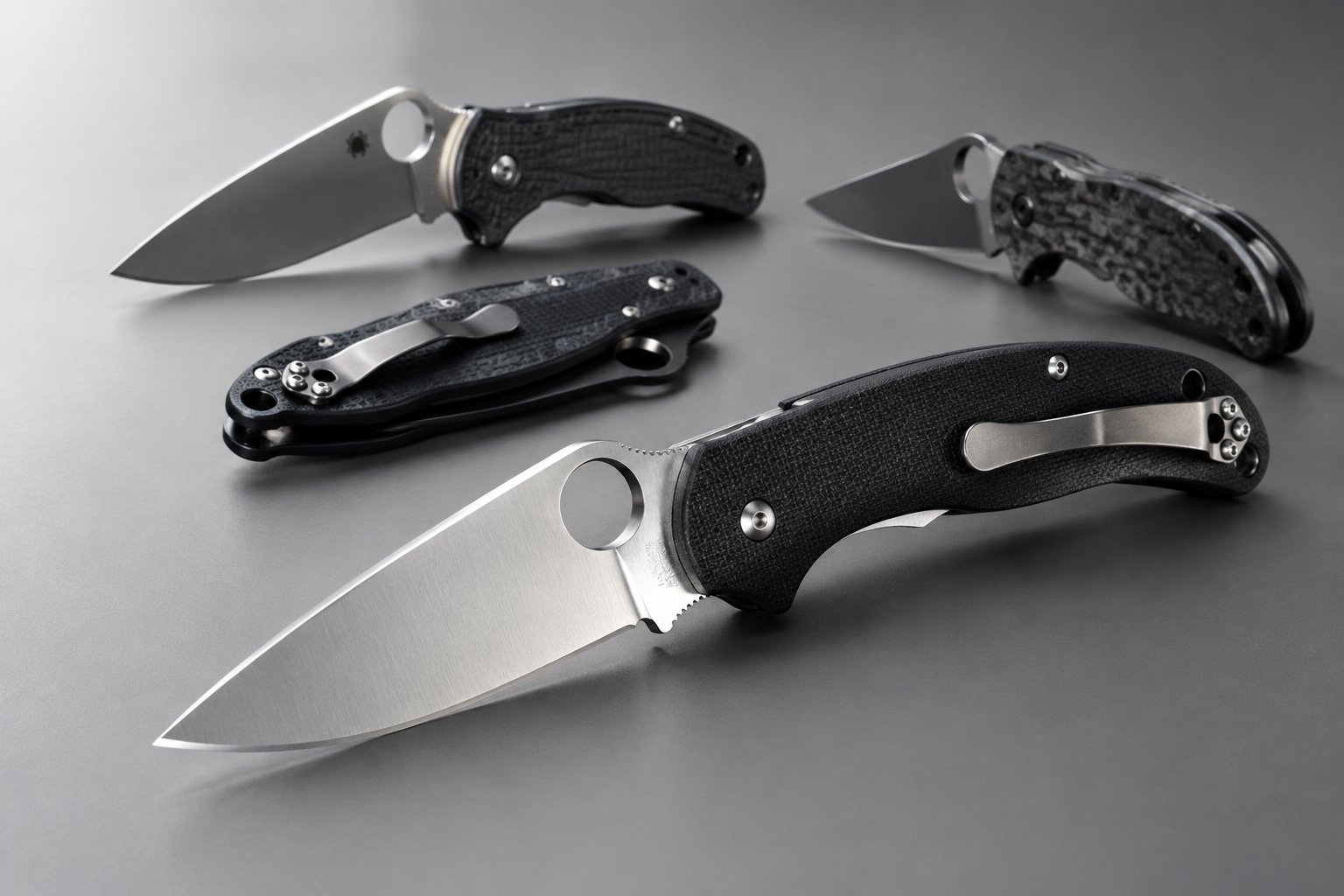
Kershaw Knives: An Honest Look at Value, Steel, and Everyday Carry Use

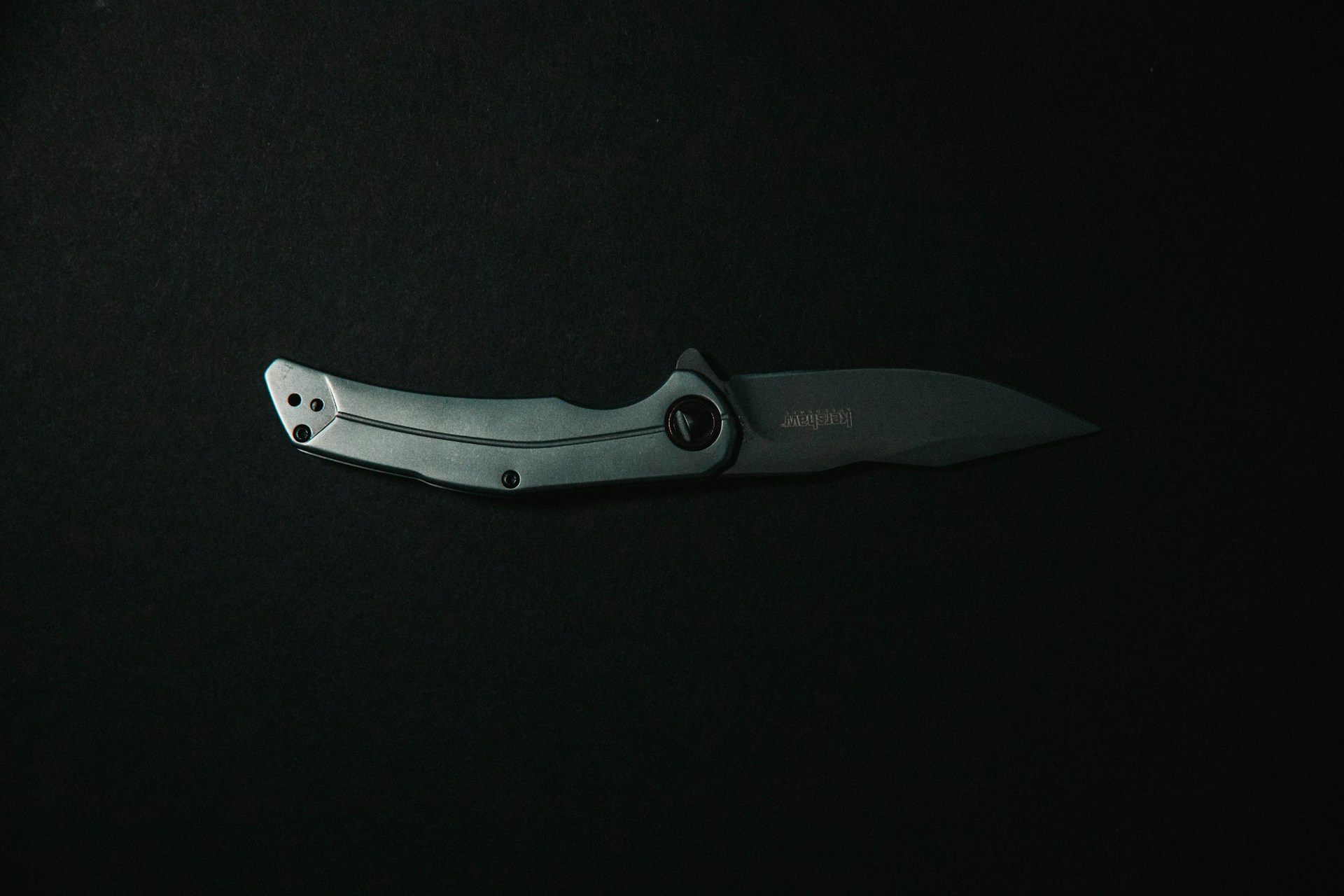
You are standing in front of a wall of folders, and half of them say Kershaw on the blade. One costs thirty dollars, the next one costs two hundred, and the specs look similar at a glance. That gap is where most buyers stall out, and it deserves a straight answer rather than a marketing line.
Kershaw is a brand of Kai USA, Ltd., headquartered in Tualatin, Oregon, and it has been building pocketknives since the mid-1970s. The honest read is this: Kershaw earns its reputation in the $30 to $120 range, where the design, action, and warranty outpace what the price suggests. Above and below that band, the math changes, and you should know why before you commit.
Keep reading to learn how Kershaw’s steels actually perform, how assisted openers differ from push-button automatics, and what to inspect before you buy. If you remember only one thing, make it this: the steel on the box matters less than whether you will carry it.
Where Kershaw Earns Its Price
Kershaw earns its money on execution, not exotic materials. The company designs and engineers in Oregon, sources production through its own facilities and overseas partners, and keeps tolerances tight enough that a $40 folder doesn’t feel like a $40 folder.
Value Folders for Daily Cutting
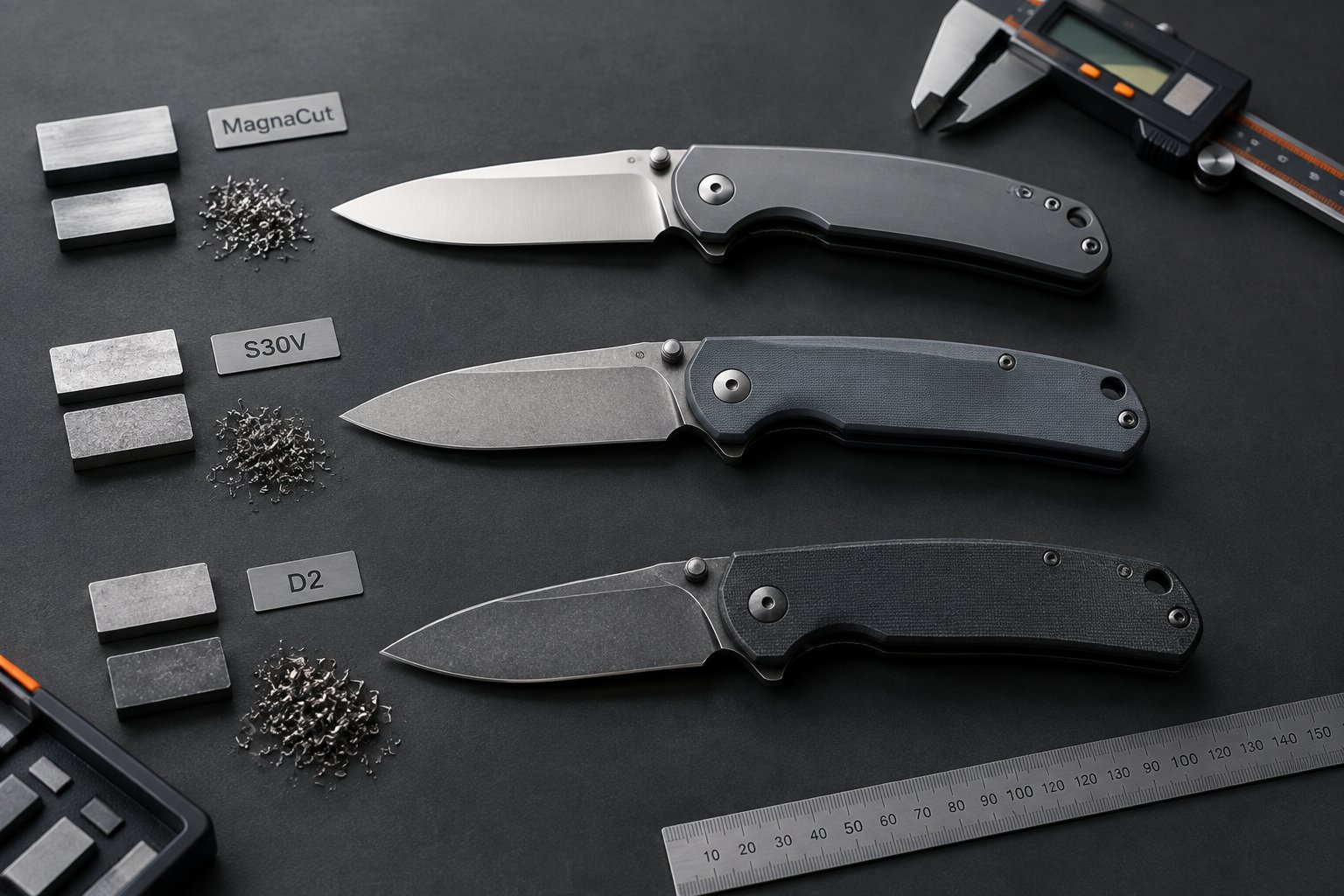
The entry tier runs 8Cr13MoV, a Chinese stainless steel blade material that sharpens fast and resists rust well. It will not hold an edge like a powder steel, but it takes a screaming edge on a basic stone in ten minutes.
That trade is the whole point. If you open boxes, cut zip ties, and break down cardboard every day, you want a steel you can touch up on a Tuesday night without thinking about it. Models like the Cryo and the standard Leek live here, and they punch above the price.
Higher-Spec Materials and American-Made Options
Step up and Kershaw gets more interesting. D2 shows up on several mid-tier models, offering noticeably better edge retention at the cost of being a semi-stainless that will spot if you neglect it.
The USA-made line is where collectors start paying attention. The Bel Air and Bel Air XL run CPM MagnaCut with aluminum or textured G10 scales and a DuraLock crossbar mechanism. Some Link variants have shipped in M390 with anodized aluminum. CPM-3V appears on tougher fixed-blade and hard-use projects where impact resistance beats pure edge holding.
What Buyers Should Not Expect at Every Price Point
A $35 Kershaw is not a $250 knife with a different logo. Expect some blade play tolerance, stamped clips, and grinds that are good rather than hand-finished.
Here is the quick sort:
- Under $50: 8Cr13MoV, FRN or steel handles, fast sharpening, honest work knives
- $50 to $120: D2 or 14C28N, G10 or aluminum, better detents and pivots
- $120 and up: USA-made, MagnaCut or M390, crossbar locks, collector-grade finish
Which tier fits you depends heavily on how you want the blade to open.
Assisted Folders and Automatics Serve Different Carry Needs
Kershaw built its modern reputation on SpeedSafe, the torsion-bar assisted mechanism designed with Ken Onion. It is not an automatic, and that distinction matters legally and practically.
SpeedSafe and Manual Folder Considerations
With SpeedSafe, you push the flipper tab or thumb stud, and the torsion bar takes over past a certain point. You start the motion; the spring finishes it. That keeps assisted folders legal in many places where switchblade knives are restricted.
Manual folders trade speed for simplicity. Fewer parts, no spring to fatigue, and often a smoother pivot on bearings. If you like a deliberate roll of the thumb, a manual Kershaw with a bearing pivot will feel better in the hand than any assist.
Push-Button Automatics for Deliberate Deployment
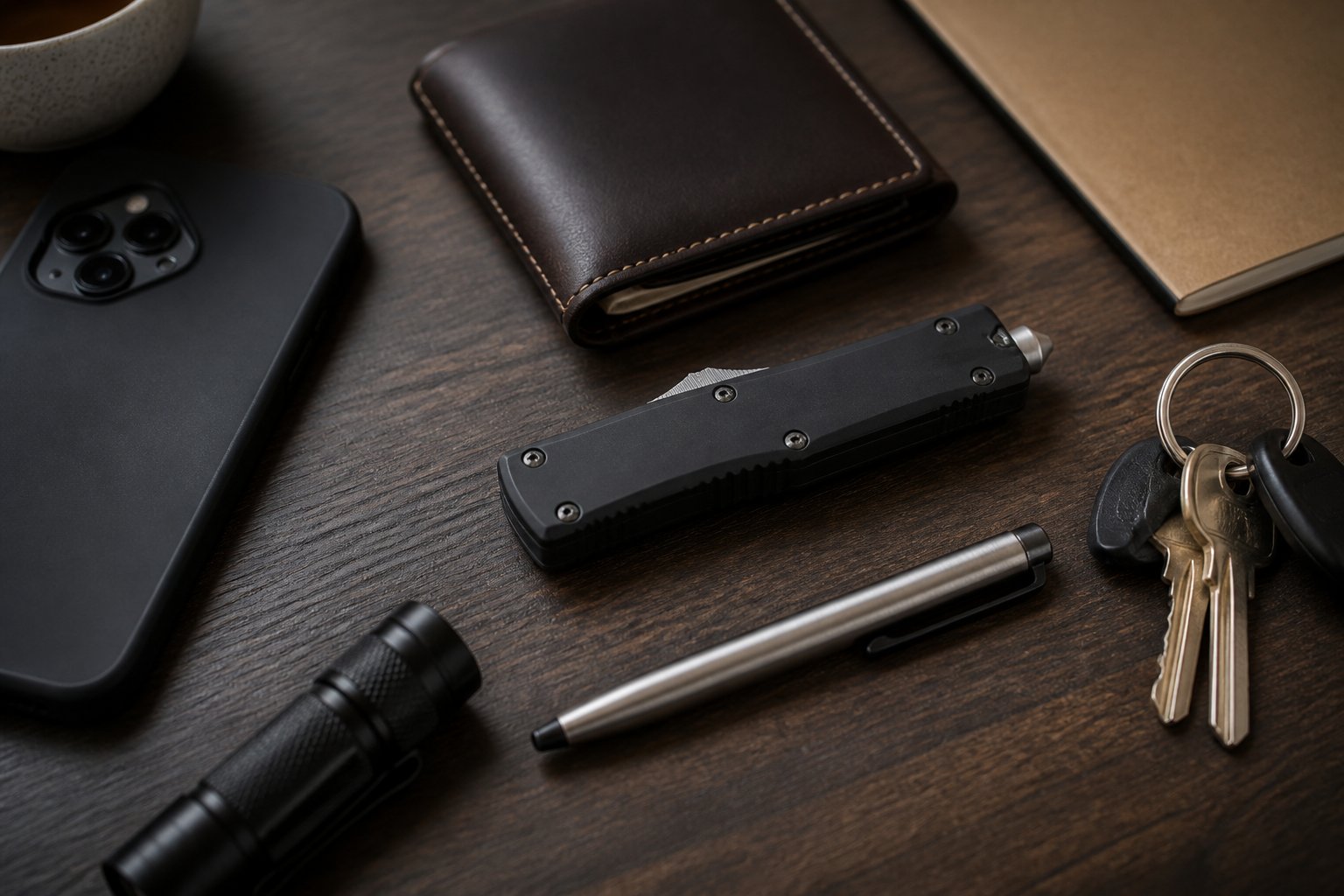
Kershaw’s automatics fire the blade the instant you press the button. No wrist motion, no starting the swing. For gloved hands or one-handed work at a truck door, that is a real functional difference, not a novelty.
The tradeoff is legal complexity and a firmer spring that demands you respect the safety. Push-button autos also carry heavier than the same-size assisted model in most cases.
Blade Shapes, Including the Tanto Blade
Shape drives use more than steel does. A drop point handles ninety percent of daily cutting. A tanto blade puts a reinforced point on the tip, which resists breaking when you punch through a stapled shipping box or scrape material.
Wharncliffe grinds give you a straight edge that slices flat against a cutting surface, and sheepsfoot shapes reduce accidental punctures. Once you know the shape you want, the spec sheet is where the real decision happens.
Read the Specs That Matter Before You Buy
Most listings bury three things that determine whether you keep carrying a knife: steel, ergonomics, and lockup. Read those and skip the rest.
Blade Steel, Edge Retention, and Sharpening Expectations
A stainless steel blade in 8Cr13MoV will dull faster than D2, but you will fix it in a fraction of the time. D2 fights back on ceramic rods and rewards diamond plates. MagnaCut splits the difference with strong corrosion resistance and long edge life.
Ask yourself honestly whether you sharpen. If the answer is no, a softer stainless or a standing appointment for professional sharpening service beats buying a super steel you will let go dull.
Handle Materials, Pocket Clips, and Carry Comfort
Glass-filled nylon is light and cheap. G10 grips well in wet hands. Aluminum feels cold and premium but gets slick. Carbon fiber is light and expensive.
Check the clip before anything else. A deep-carry clip disappears in the pocket; a short factory clip leaves an inch of handle showing. On a Kershaw knife, clips are usually reversible for tip-up carry on either side, which matters more for left-handed carriers than most listings admit.
Lock Types and Fit-and-Finish Checks
Liner locks dominate the budget tier and work fine. Frame locks add rigidity. The DuraLock crossbar system on newer USA models lets you close the knife without putting a finger in the blade path, which is worth the upcharge if you open a knife fifty times a day.
When you have it in hand, flick it, close it, and check for side-to-side blade play. Then decide whether this is the tier you belong in.
When to Stay With Kershaw or Move Up or Down
Kershaw knives sit in a sweet spot, and knowing whether you should stay there is mostly about how you use a blade, not how much you can spend.
The Best Fit for Everyday Carry
If you want one dependable folder that lives in your bag and opens packages, cuts tape, and trims loose threads, Kershaw is the correct answer at $40 to $80. A Leek or a Natrix in G10 does everything you need.
Spending $300 here buys you bragging rights, not better performance on a cardboard box. Buy the tier you will actually use, then upgrade later if you find yourself wanting more.
What a Collector Should Evaluate
If you already own Microtech or Pro-Tech pieces, judge Kershaw only on its USA-made line. MagnaCut Bel Air models and M390 Links compete honestly with knives costing more, and the crossbar lock action is genuinely satisfying.
Kershaw doesn’t compete in hand-finished detail work, exotic handle inlays, or the resale market. That’s just a different business than the custom market.
Matching the Knife to Work, Recreation, and Collection Goals
Match the tool to the job:
- Jobsite and trades: D2 or 14C28N, G10 handles, replaceable clip, low grief if lost
- Office and light EDC: Slim assisted folder, 3-inch blade, deep-carry clip
- Camp and outdoors: Fixed blade in CPM-3V for batoning and prying resistance
- Collection: USA-made MagnaCut or M390, crossbar lock, limited runs
If your shortlist includes an automatic, the buying process has one more step before checkout.
Automatic and Butterfly Knife Shipping Considerations
Automatic knives and butterfly knives come with shipping restrictions that manual folders do not. Kai USA requires buyers to sign a release form confirming compliance before it will sell or ship those items.
Federal Rules Are Not a Substitute for Local Law Checks
Two federal statutes govern this. Under 18 U.S.C. § 1716, switchblade knives may be shipped to armed forces and federal government supply or procurement officers, to National Guard, Air National Guard, and militia procurement officers of a state, territory, or the District of Columbia, and to municipal government purchasers.
Under 15 U.S.C. § 1244, knives may move by common carrier, and interstate commerce in switchblade knives is authorized pursuant to armed forces contracts. That statute also permits a handicapped individual with the use of only one arm to possess and transport a switchblade or a blade 3 inches or less. Readers who want to check the statute text directly can find both on Cornell Law School’s Legal Information Institute.
No summary covers all fifty states plus counties and municipalities. You are responsible for confirming your own state and local law.
Carrier, Delivery Address, and Interstate Shipping Limits
Practical rules apply at the shipping label. No Post Office Box addresses. No USPS shipments. Items must ship via UPS or FedEx, and the address on your release form must be current, or you must file a new one.
That is why an automatic order can look different from a standard folder order at checkout.
Why Buyers Must Confirm Eligibility Before Ordering
Confirm eligibility first, then click buy. A rejected or returned automatic order wastes days, and no retailer can override statute for you.
If you are unsure, a phone call clears it up faster than a search engine. That’s why it helps to deal with people who handle these knives daily.
Choose the Kershaw That Fits Your Carry
The specs get you to a shortlist. Your hand makes the final call.
Compare the Action and Ergonomics in Person
Flick three Kershaw models back to back, and you will feel differences no listing captures. A Leek is thin and pointy, and it slips into a dress pocket. A Blur fills the palm with Trac-Tec inserts and feels secure with gloves on.
Grip each one, close it, check where the clip sits against your hand. Sharp Things OKC’s Kershaw lineup covers this range in person. That five-minute test saves you from a drawer knife.
Order With Confidence When Shopping From Outside Oklahoma City
If you cannot get to the store, order from the specs you now know how to read. Confirm the steel, lock, blade length, and clip orientation before checkout, and note any automatic knife release requirements.
Contact the shop directly with questions before ordering an automatic.
Frequently Asked Questions
What are Kershaw knives known for?
Kershaw Knives is known for the SpeedSafe assisted-opening mechanism, strong value at accessible price points, and a well-regarded warranty. The brand covers everything from $30 work folders to USA-made MagnaCut models.
Which Kershaw pocket knife is best for everyday carry?
The Leek is the classic slim EDC choice, while the Blur suits larger hands and gloved use. If you want a modern USA-made option, the Bel Air in CPM MagnaCut with a DuraLock crossbar is the strongest pick.
Where are Kershaw knives made?
Kershaw is a brand of Kai USA, Ltd., headquartered in Tualatin, Oregon. Higher-end models are produced in the United States, while many budget and mid-tier models are made overseas under Oregon-based design and quality control.
What blade steel does the Kershaw 1402BLK use?
The Kershaw 1402BLK (Appa) uses 8Cr13MoV stainless steel, a budget-tier steel chosen for fast sharpening and solid corrosion resistance. It is a utility-tier steel, not a premium powder metallurgy alloy.
What happened to Clayton Kershaw?
Clayton Kershaw is the Los Angeles Dodgers pitcher, unrelated to Kershaw Knives or Kai USA. The shared name is coincidental, and searches for the knife brand often surface baseball results.
Is Clayton Kershaw retiring in 2026?
Retirement questions about Clayton Kershaw concern Major League Baseball, not the knife company. For anything involving Kershaw pocketknives, blade steel, or automatics, the baseball news is a separate topic entirely.
Pick the Tier, Then Pick the Knife
Kershaw earns its price when you buy the tier that matches your use. An 8Cr13MoV folder for daily box work is a smart purchase. A MagnaCut Bel Air is also a smart purchase for a collection that already holds premium autos. The only real mistake is buying the wrong tier.
Start with how you cut, how often you sharpen, and how the knife rides in your pocket. Steel names look impressive on a listing, but the knife you carry every day beats the one you admire in a drawer.
If you are in Oklahoma City, Sharp Things OKC is on N May Ave, and you are welcome to flick a few side by side before deciding.