How to Use a Honing Steel and Keep Your Kitchen Knife Cutting Like New

Despite the name on the box, a honing steel does not really sharpen your knife. It straightens it. Knowing that one fact is the key to learning how to use a honing steel properly, because it changes how hard you press, how many strokes you take and what you expect afterward. Done right, ten light passes take under a minute and bring back the bite your knife had last week.
This guide goes deeper than a quick touch-up tip. It covers what happens at the edge, a safe step-by-step method, how to find and hold the angle, which rod suits your knives, and how to tell when the steel has done all it can.
What Honing Does at the Edge
A sharp kitchen edge is extremely thin at the very apex. As you cut, especially on a board, that thin strip of steel gets pushed slightly to one side or the other. It is still there, just bent over in tiny waves along the length of the blade. The knife feels dull because the part doing the cutting is no longer pointing straight down.
A honing steel pushes that bent apex back in line. Very little metal comes off, if any, depending on the rod.
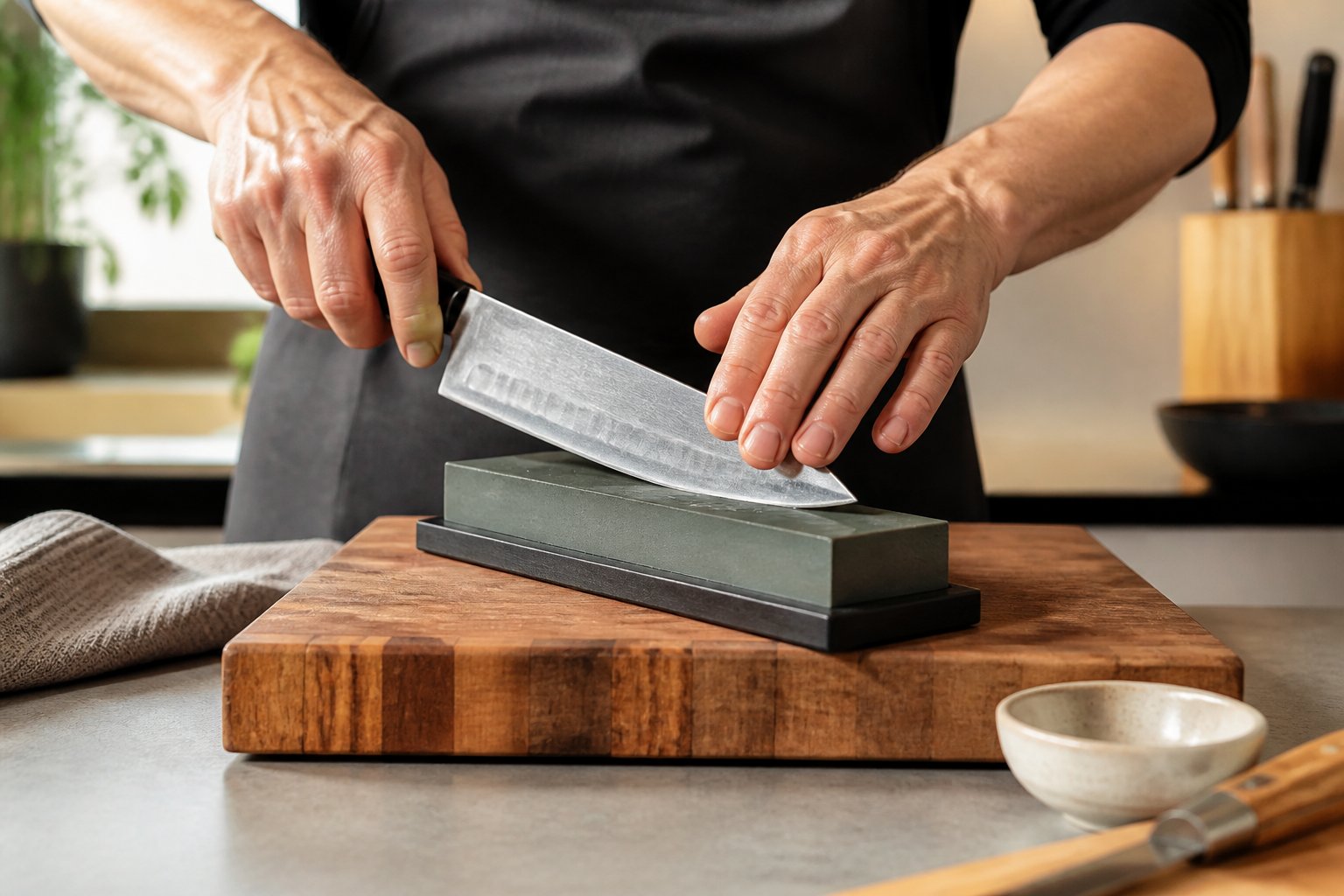
Sharpening is different. It grinds away steel on a stone or abrasive to create a brand new apex. That is the core of honing vs sharpening: honing maintains an edge that still exists, sharpening rebuilds one that has worn away. You will hone often and sharpen rarely.
Test the Edge Before You Hone
Take ten seconds to check the edge first, so you know what you are working with.
The paper test. Hold a sheet of printer paper by one corner and slice down through it from heel to tip. A clean, quiet cut means the edge is in good shape. If it catches in one spot, snags or tears, that section is rolled or damaged.
The tomato test. Rest the blade on a ripe tomato with no downward pressure and draw it back. A good edge bites into the skin right away. A rolled edge skates across it.
The light test. Hold the knife edge up under a bright light and tilt it slowly. A truly sharp apex reflects almost no light. Bright glints or a thin shiny line show you where the edge is rolled or flattened.
If the edge fails these tests in a few spots, honing will likely fix it. If it fails along the whole length and shows a wide shiny line, skip ahead to the section on when honing stops working.
How to Use a Honing Steel, Step by Step
This is the vertical method. It is slower than the in-the-air style you see on cooking shows, but your knife hand always moves away from your body and the rod tip cannot slip, which makes it the safest way to learn.
- Anchor the rod. Fold a damp kitchen towel and set it on the counter. Hold the honing steel by its handle and stand it straight up with the tip pressed into the towel. Grip the handle firmly; the rod should not wobble.
- Find your angle. Hold the knife with the blade flat against the rod, at 90 degrees. Tilt it halfway toward flat, to about 45 degrees. Halve it again to about 22 degrees, then ease it a little lower. That puts you in the 15 to 20 degree range most kitchen knives need.
- Start at the heel. Place the heel of the blade, the part closest to the handle, against the rod near the top, at your chosen angle.
- Draw down and back. In one smooth motion, pull the knife down the rod and toward you, so the contact point slides from heel to tip by the time you reach the bottom. Use about the weight of the knife itself, no more. Think of wiping the edge rather than grinding it.
- Switch sides. Move the knife to the other side of the rod, set the same angle and repeat the stroke. Alternate one stroke per side.
- Count and stop. Five to eight strokes per side is usually enough. Finish with two or three even lighter strokes per side to tidy the apex.
- Wipe and test. Wipe the blade with a clean cloth to remove any fine metal particles, then repeat the paper or tomato test.
Keeping the angle steady matters more than hitting a perfect number. A consistent 18 degrees on every stroke beats wobbling between 12 and 25.
Pick up a steel that fits your knives: you can compare honing rods next to the kitchen knives they will maintain at Sharp Things OKC, open 9AM to 9PM every day on N May Ave, or browse our kitchen cutlery online.
Match the Honing Rod Angle to the Knife
The honing rod angle should follow the angle the knife was sharpened at. Hone steeper than the edge and you start to round it. Hone flatter and you barely touch the apex.
- German and American style kitchen knives are usually sharpened at about 17 to 20 degrees per side. Hold the knife on the higher side of the range.
- Japanese style knives are often ground thinner. Shun, for example, sharpens its knives at 16 degrees and builds a 16 degree angle guide into the handle of its combination honing steel.
- Single-bevel knives sharpened on one side only need a different routine, since the back is nearly flat. Most home cooks never own one, but check before honing.
If you do not know your knife’s angle, color the very edge with a permanent marker, take one gentle stroke and look. If the ink is removed right at the apex, your angle is close. If it comes off higher on the bevel, lift the spine slightly. For the difference between per-side and total angles, see our walkthrough on putting an edge on a kitchen knife.
Choose the Right Type of Rod
Not all honing rods behave the same, and the surface decides how much steel each stroke removes.
| Rod surface | What it does | Best for
|
|---|---|---|
| Smooth steel | Realigns the edge with almost no metal removal | Frequent touch-ups on softer kitchen steels |
| Grooved or ribbed steel | Realigns with light abrasion | Edges that need a bit more help |
| Ceramic | Realigns and removes a small amount of steel | Harder stainless blades |
| Diamond coated | Removes steel quickly, closer to sharpening | Occasional use only |
Grooved and diamond rods can scratch and wear a thin edge if you press hard or use them daily, so go lighter and less often. Some rods combine two surfaces, such as a smooth side for weekly honing and a finer ribbed side for occasional use.
Length matters too. Pick a rod a little longer than your longest blade, so the whole edge can travel along it in one stroke without running off the tip. A 10 inch rod covers most chef’s knives and carving knives. The Lamson 10 inch Premier Forged honing steel is made from German 1.2210 steel, finished in Massachusetts, and comes in the same Midnight black colorway as Lamson’s Premier Forged knives.
How Often to Hone
There is no single schedule. Use the knife and the steel to decide:
- Softer German style stainless rolls more easily, so a few strokes before each cooking session keeps it in top shape.
- Harder Japanese style steel resists rolling longer. Once a week or when you notice drag is often enough.
- After a heavy session, such as breaking down chickens or a big holiday carve, a few strokes before you put the knife away helps.
Hardness plays a big part here. Harder steel holds its apex straighter for longer, while softer steel bends sooner but also straightens more easily on a smooth rod.
Mistakes That Undo Your Honing
- Pressing hard. Heavy pressure bends the apex back and forth instead of straightening it. Light strokes work better.
- Too many strokes. Thirty passes per side does not help more than eight. It just fatigues the edge.
- Changing the angle mid-stroke. Rolling your wrist rounds the edge. Lock your wrist and move from the elbow.
- Skipping the heel or tip. Start every stroke right at the heel and finish at the very tip, or those sections stay rolled.
- Using the wrong side of a combination rod. Save the coarser side for when the smooth side stops working.
- Honing serrated knives on a straight steel. Serrations need a tapered rod that fits each scallop.
When Honing Stops Working
A honing steel can only straighten steel that is still there. After months of use, the apex wears down and rounds over, and no amount of honing will bring it back. You will notice that the knife feels good for a few minutes after honing, then dull again almost at once. The light test will show a wider, even shine along the edge.
That is your cue to sharpen. Depending on how comfortable you are, that can mean whetstones, a guided system or a pull-through sharpener, and you can see the options in our knife sharpeners collection. After a fresh sharpening, regular honing keeps the new edge working far longer.
Look After the Steel Itself
Wipe the rod with a damp cloth after use to remove metal dust, then dry it. Lamson says its honing steels are not dishwasher safe, and most steel rods do not like long soaks. Hang it by its ring or give it a dedicated spot so the surface never rattles around a drawer with other tools. If a smooth steel develops nicks or rough spots, they can scratch your edge, so replace it.
Three Habits That Keep an Edge Straight
Anchor the rod on a towel, set a steady 15 to 20 degree angle, pull light strokes from heel to tip and alternate sides for five to eight passes. Hone often, press lightly, and sharpen when honing no longer brings the edge back.
Get the right steel for your knives: stop by Sharp Things OKC at 6610 N May Ave to see honing steels and kitchen knives in person, or shop the Lamson knives and honing steels online for a steel and knives that match.
Frequently Asked Questions
Can a honing steel damage my knife?
It can if you press hard, use a coarse rod every day or hold an angle much steeper than the edge. Light pressure and a consistent angle keep honing safe for daily use.
Should I use a ceramic rod on Japanese knives?
A fine ceramic rod is a good choice for harder Japanese steels, which can chip on aggressive grooved steels. Use it gently, at the knife’s sharpening angle, with only a few strokes per side.
Does a honing steel work on pocket knives?
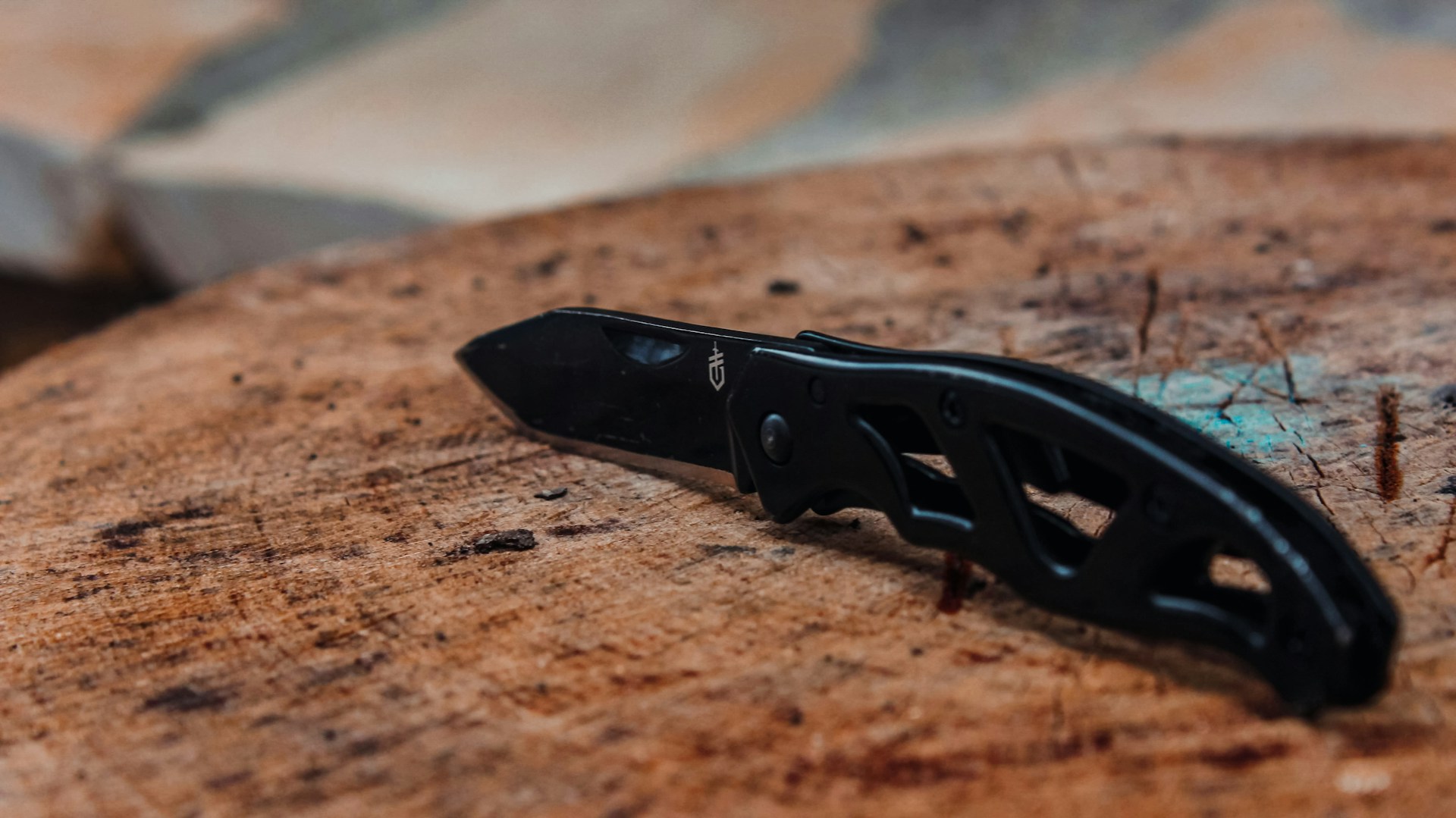
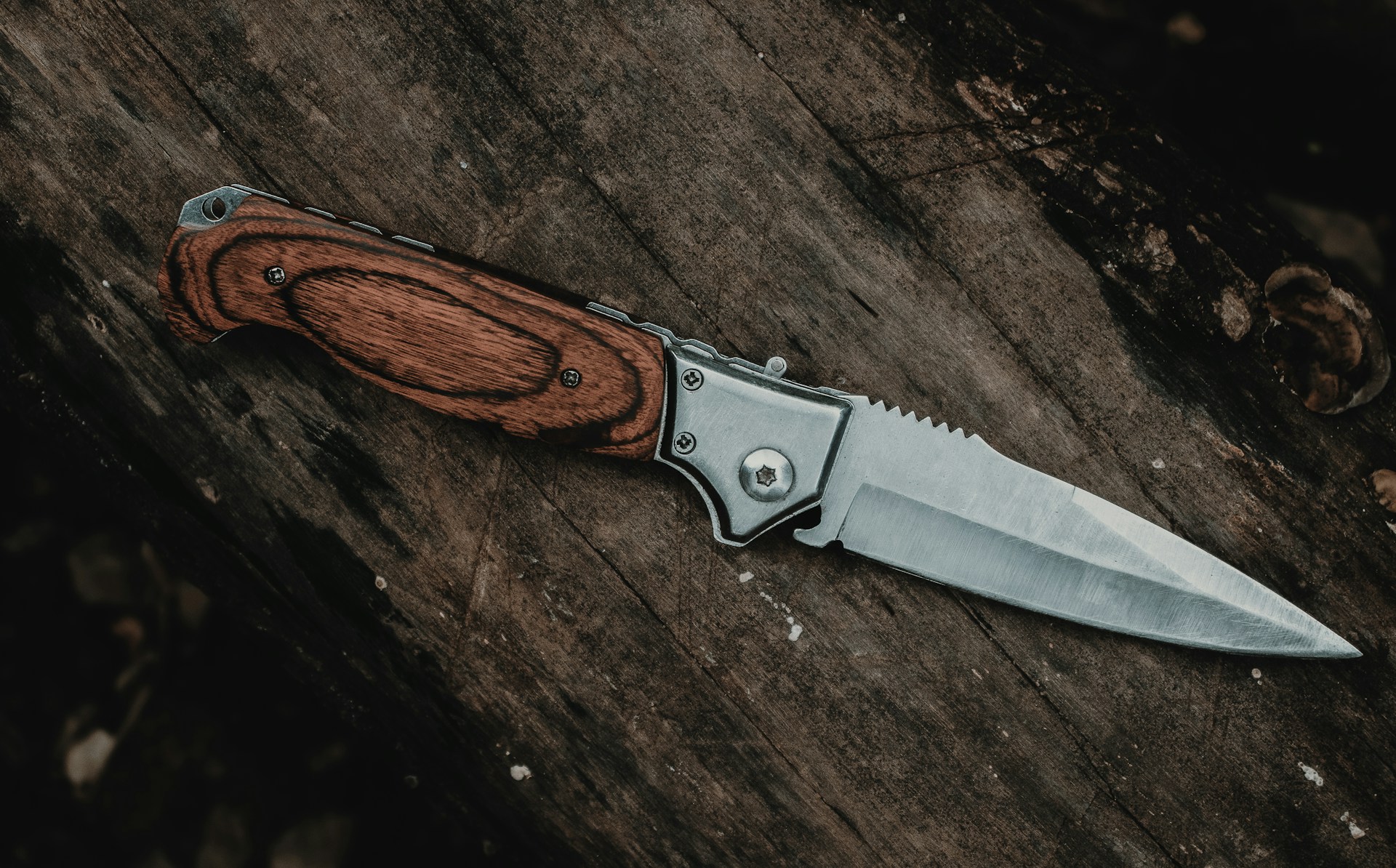
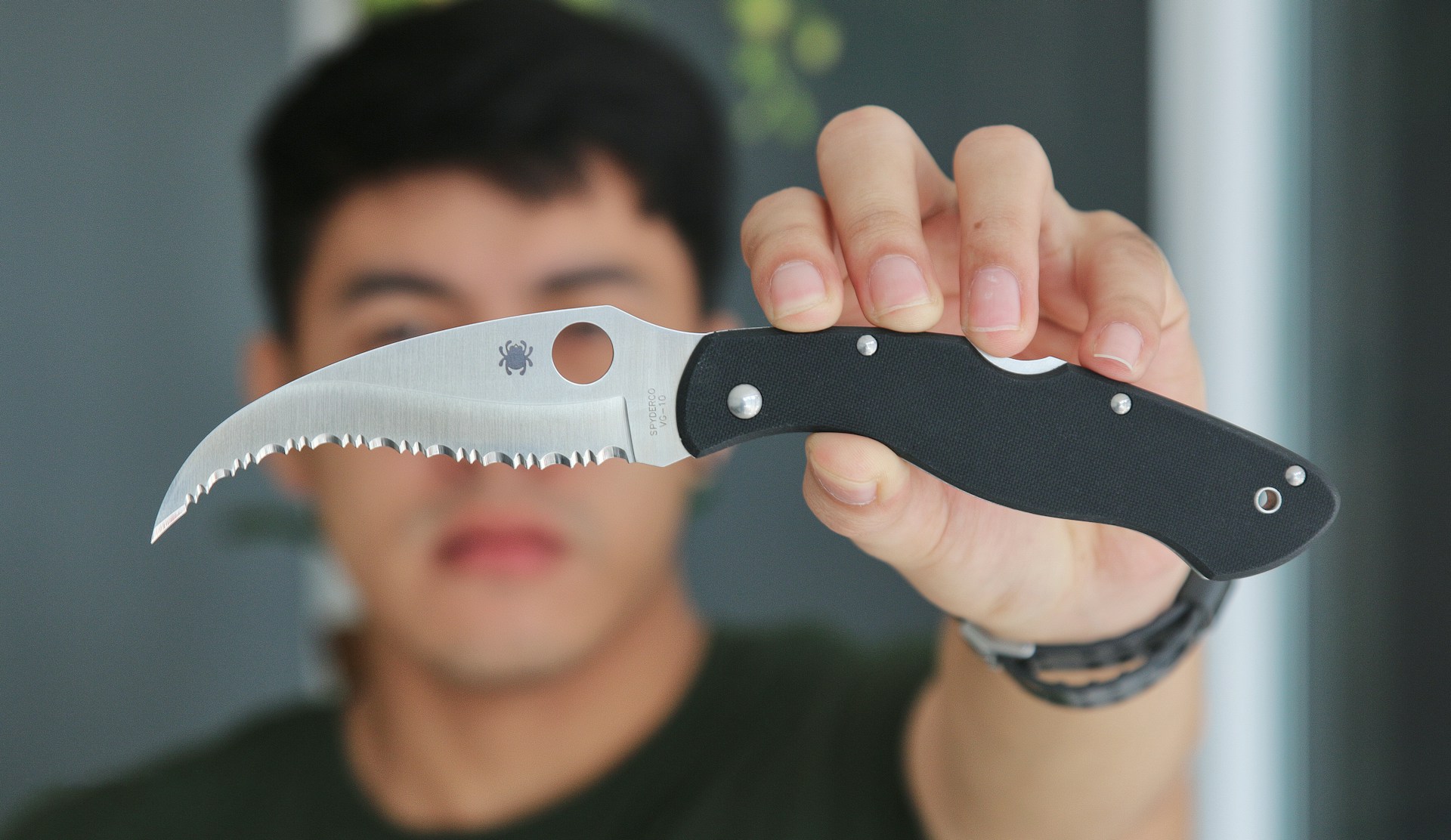
It can, with care. Short folding knife blades are easier to hone on a small ceramic rod or a strop, and many EDC blades are ground at different angles than kitchen knives, so check the edge first.
How do I know if my honing steel is worn out?
Run a fingertip lightly along a grooved steel. If the ridges feel smooth or flattened in the middle, it is no longer realigning well. Smooth steels that show deep scratches or pits should also be replaced.
Is a leather strop the same as honing?
They are related. A strop, usually leather loaded with a fine compound, polishes and realigns the apex and removes tiny burrs after sharpening. Many cooks use a steel during the week and a strop after sharpening sessions.